How to Avoid Five Content Growth Mistakes
TL;DR
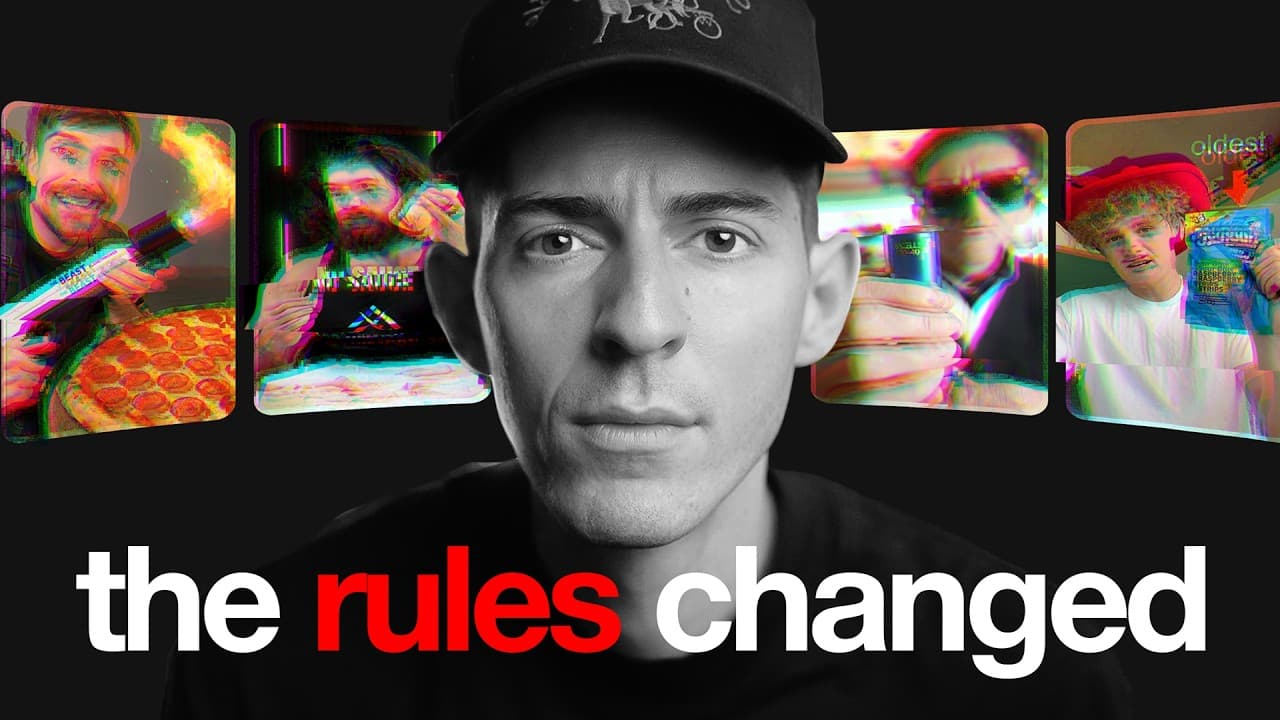
Improve content by delivering one useful idea quickly, remixing topics that have already performed, and designing scripts to produce an emotional response. Analyze each video as separate components, including its topic, angle, hook, storytelling, visuals, and audio, so you can identify what needs improvement instead of changing everything at once.
Transcript
If you want your content to perform better, you have to avoid a few critical mistakes. And it sounds so simple, but the hard part is these mistakes are not obvious to the average creator or brand. Most people don't even know they're making them. So, in this video, I'm going to walk through the five biggest content traps that are holding people back... Read More
Key Insights
- Speed to value is more important than maximizing the amount of information in a video. Viewers have limited capacity for new knowledge, so compressing many valuable concepts into one piece can create information overload, poor retention, and early abandonment.
- The first novel insight should appear within 7–10 seconds of a short-form video or within 45–60 seconds of a YouTube video. Highlighting that moment in a script reveals introductory material that can be cut to deliver value sooner.
- Proven ideas can outperform without being completely original because audiences repeatedly respond to familiar interests and formats. Creators can examine successful posts, reuse their underlying topics or hooks, and remix substantial portions to produce content suited to their own voice and audience.
- Content research is a repeatable method for generating ideas. A watch list of leading creators can be aggregated, filtered, and sorted by views, engagement, outlier score, and post date to reveal patterns among videos that have already worked.
- The algorithm is focused on whether users watch and share content, not how hard its creator worked. Videos that hold attention and stimulate conversations provide the behavioral signals the platform is described as seeking when deciding whether to expand distribution.
- Emotional transfer is a driver of watch time, sharing, and discussion. Shock, sadness, fear, awe, and inspiration can give viewers a reason to respond, while scripts without a clear entry point for different reactions may lack sufficient commentary value.
- Commentary value can be tested by predicting responses from a super fan, a neutral observer, and a strong critic. Stronger viewpoints, emotionally aligned language, and references to how a target group will be affected can create clearer openings for discussion.
- Content Legos are independent components that allow creators to improve videos systematically. Short-form content contains topic, angle, hook format, storytelling style, visual format, key visuals, and audio, while YouTube adds the title and thumbnail for a total of nine components.
Install to Summarize YouTube Videos and Get Transcripts
Explore YouTube Video Summarizer or Get YouTube Transcript Extractor
Questions & Answers
Q: How can creators deliver value faster in a video?
Creators can read their script and highlight the first line that introduces genuinely novel value. That line should appear within 7–10 seconds for short-form video or within 45–60 seconds for YouTube. Any unnecessary setup above it can then be removed. This process shortens the viewer's wait for a useful insight and reduces the chance that boredom causes an early exit.
Q: Why can too much information hurt content performance?
Too much information can overwhelm viewers even when every individual point is valuable. People have limited capacity to absorb unfamiliar knowledge in one sitting and tend to learn better in bursts that allow ideas to sink in. When a video compresses many concepts together, viewers may retain little, experience information overload, and leave with a negative impression instead of continuing to watch.
Q: How can creators find proven content ideas?
Creators can build a watch list of leading channels in their space, aggregate their videos into one feed, and sort the posts using signals such as views, engagement, outlier score, and publication range. Recurring patterns will reveal topics, hooks, and visual formats that have already attracted attention. Those successful elements can then be remixed for the creator's own content and audience.
Q: Do content ideas need to be completely original?
Content ideas do not need to be completely original to perform well. The transcript argues that people are creatures of habit and often respond repeatedly to concepts that have already interested a similar audience. Top creators may even repost the same videos every four to six months. A creator can therefore start with a proven concept and change its angle, hook, presentation, or other elements.
Q: How does the algorithm decide which content to distribute?
The algorithm is described as prioritizing whether people spend time watching and sharing a piece of content. It does not reward effort by itself or make personal judgments about a creator. Content earns wider distribution by generating audience behavior that benefits the platform, particularly sustained viewing, sharing, commenting, and conversations that continue in comment sections or private group chats.
Q: How can a script create more audience discussion?
A creator can predict the top comments likely to come from a super fan, a neutral observer, and a strong critic. If none of those groups has a clear opening for discussion, the script may need more emotional charge. Commentary value can be increased through a stronger point of view, words that guide the intended emotion, and specific references to how the subject affects the target group.
Q: What is emotional transfer in content creation?
Emotional transfer occurs when a video produces a feeling in the viewer, with examples including shock, sadness, fear, awe, and inspiration. That reaction can encourage viewers to keep watching, share the content, or discuss it with others. The goal is to strengthen the emotional response without becoming excessively sensationalized, using the script's viewpoint, wording, and consequences to make the subject personally meaningful.
Q: What are content Legos and how do they improve videos?
Content Legos are the independent building blocks that make up a video. Short-form content has seven: topic, angle, hook format, storytelling style, visual format, key visuals, and audio. YouTube adds title and thumbnail, creating nine components. Breaking a video into these parts helps creators identify which specific element needs improvement instead of changing many variables between attempts and remaining unsure about what produced the result.
Summary & Key Takeaways
-
Content should optimize for speed to value rather than the total quantity of information. Too many compressed concepts can overwhelm viewers and cause them to leave without retaining anything. The first novel insight should appear within 7–10 seconds in short-form content or within 45–60 seconds in a YouTube video.
-
Creators do not need a completely original idea for every post. They can study high-performing videos from leading channels, identify recurring topics, hooks, and visual formats, then substantially remix those elements for their own audience. This research-based process reduces ideation pressure and increases the likelihood of selecting an idea with demonstrated appeal.
-
Algorithms primarily respond to audience behavior such as watching and sharing. Content can encourage those behaviors through emotional transfer and clear opportunities for discussion. Creators can also improve systematically by separating videos into independent content Legos, then evaluating and changing specific components instead of modifying numerous variables without understanding their individual effects.
Read in Other Languages (beta)
Share This Summary 📚
Summarize YouTube Videos and Get Video Transcripts with 1-Click
Try YouTube Summary with ChatGPT & Claude or YouTube Transcript Generator
Explore More Summaries from Kallaway 📚

Summarize YouTube Videos and Get Video Transcripts with 1-Click
Try YouTube Summary with ChatGPT & Claude or YouTube Transcript Generator