What Decisions Did the FOMC Make on September 20, 2017?
TL;DR
The FOMC decided to maintain the federal funds rate target range at 1 to 1.25% and initiate the balance sheet normalization program in October 2017. They noted moderate economic growth bolstered by household spending and business investment, while also acknowledging the temporary impact of recent hurricanes on economic performance. Inflation remains below the 2% target, but the committee expects it to move upward in the coming years.
Transcript
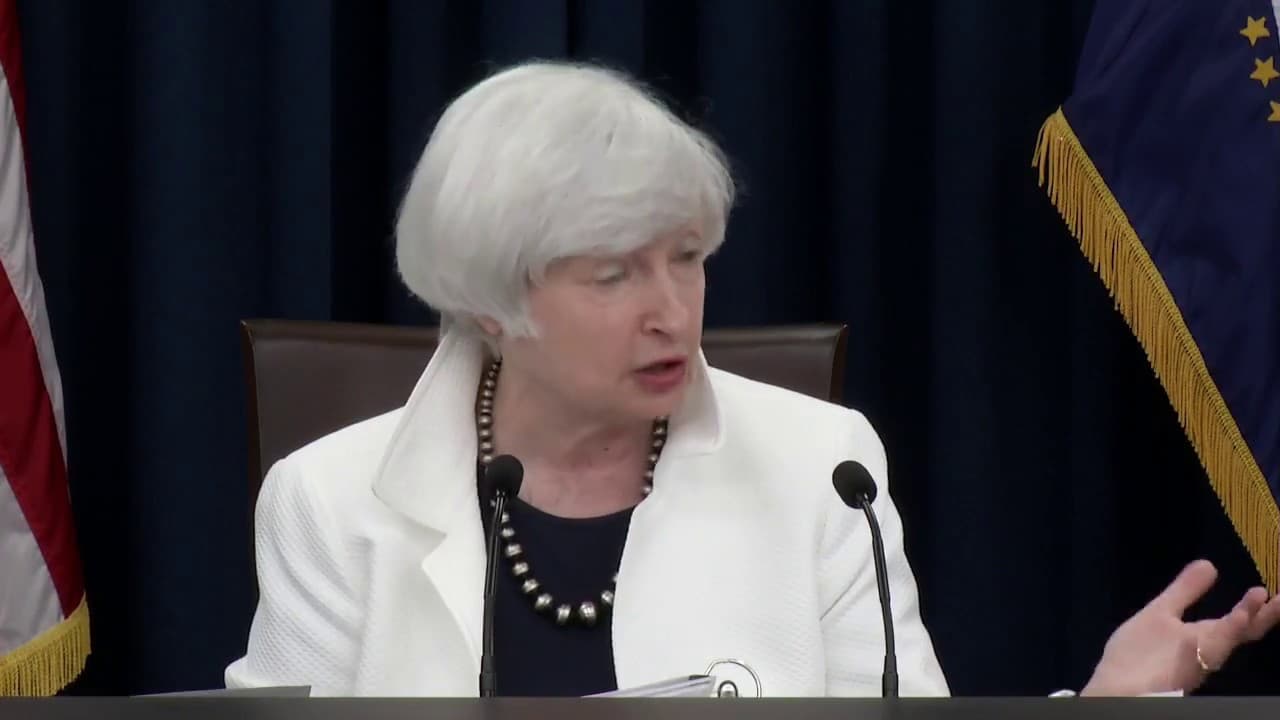
Chair Yellen's Press Conference September 20, 2017 CHAIR YELLEN. Good afternoon. At our meeting that concluded earlier today, my colleagues and I on the Federal Open Market Committee decided to maintain the target range for the federal funds rate at 1 to 1¼ percent. This accommodative policy should support some further strengthening in the job mark... Read More
Key Insights
- 😘 The committee is committed to maintaining its low-interest rate policy to support the economy and achieve its inflation and employment objectives.
- 😒 The Federal Reserve's balance sheet actions during the financial crisis were effective in stimulating economic recovery, but future policymakers will need to decide how to use such tools in the event of a severe downturn.
- 🪡 The Federal Reserve is monitoring inflation closely and will adjust monetary policy as needed to reach its 2 percent inflation objective.
- 💪 The Federal Reserve is focused on strong cybersecurity controls and working with banks to ensure they have appropriate safeguards in place.
Install to Summarize YouTube Videos and Get Transcripts
Explore YouTube Video Summarizer or Get YouTube Transcript Extractor
Questions & Answers
Q: What is the committee's view on the impact of monetary policy on African Americans and Hispanics?
The committee is committed to pursuing maximum employment, and the labor market has improved for less advantaged groups. The falling unemployment rates for African Americans and Hispanics are positive developments.
Q: How do movements in asset prices and longer-term interest rates affect the committee's thinking?
The committee takes into account developments in asset prices and financial conditions when assessing the economic outlook. Movements in asset prices can reflect changes in market participants' estimates of longer-run interest rates.
Q: What would cause the committee to reverse the decision to wind down the balance sheet?
If there is a material deterioration in the economic outlook and the committee is limited in its ability to provide stimulus through the federal funds rate, the decision to wind down the balance sheet could be reconsidered.
Q: What are the challenges of operating with a reduced number of governors on the Fed's Board?
The Fed can still carry out its responsibilities with three governors if necessary, but having a full complement of colleagues with diverse views is important. It is uncertain when new nominations will be made.
Summary & Key Takeaways
-
The Federal Open Market Committee decided to maintain the target range for the federal funds rate at 1 to 1¼ percent and will begin the balance sheet normalization program in October.
-
The economy has been rising moderately so far this year, with strength in household spending, business investment, and exports. Economic growth in the third quarter will be temporarily held down by the recent hurricanes.
-
Job gains have remained solid, the unemployment rate is low, and inflation remains below the committee's 2 percent objective. However, the committee expects inflation to move up over the next few years.
Read in Other Languages (beta)
Share This Summary 📚
Summarize YouTube Videos and Get Video Transcripts with 1-Click
Try YouTube Summary with ChatGPT & Claude or YouTube Transcript Generator
Explore More Summaries from Federal Reserve 📚


Summarize YouTube Videos and Get Video Transcripts with 1-Click
Try YouTube Summary with ChatGPT & Claude or YouTube Transcript Generator