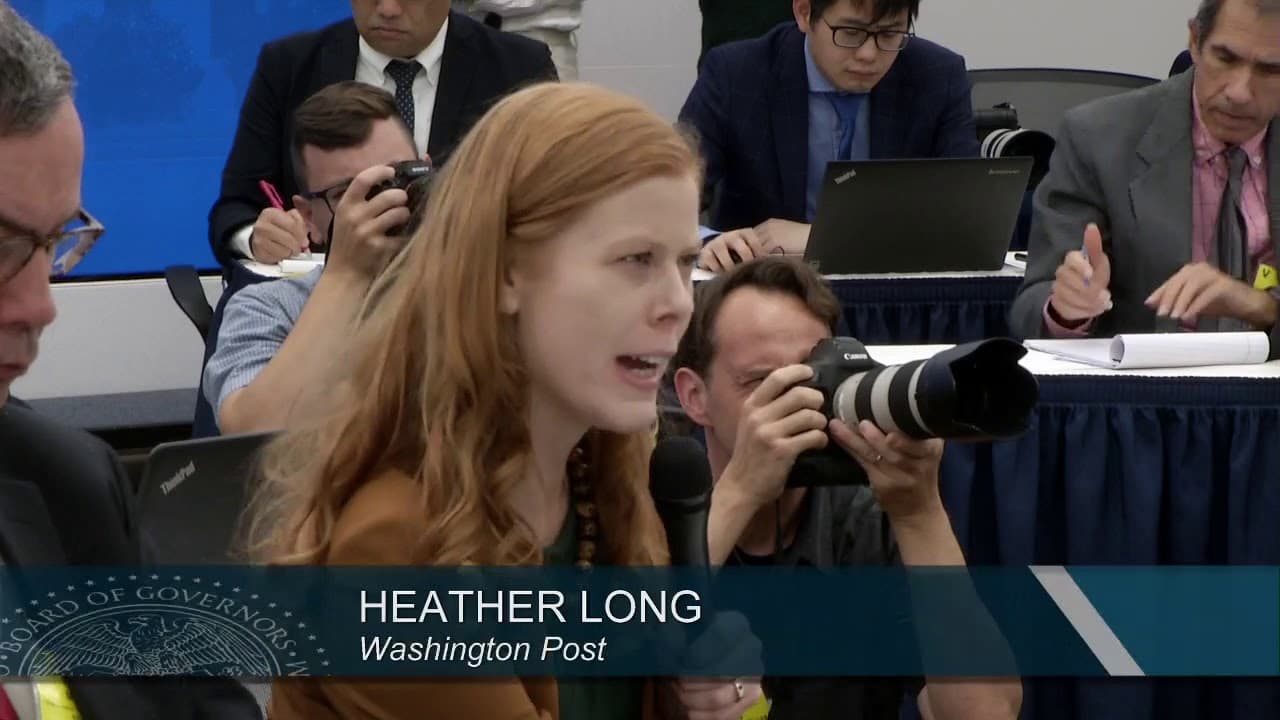
FOMC Press Conference October 30, 2019
TL;DR
The Federal Reserve cut interest rates for the third time in 2019 to support the U.S. economy amid weak global growth, trade developments, and muted inflation. Powell said household spending and the labor market remained strong, while business investment, exports, and manufacturing were weak. With total PCE inflation at 1.4 percent through August, the Fed viewed policy as appropriate but not preset. Read on for its outlook and policy conditions.
Transcript
CHAIR POWELL. Good afternoon, and welcome. My colleagues at the Federal Reserve and I are dedicated to serving the American people. We do this by steadfastly pursuing the goals that Congress has given us: maximum employment and stable prices. We're committed to making the best decisions we can based on facts and objective analysis. Today we decided... Read More
Key Insights
- ☠️ The Fed is confident that its policy adjustments, including three interest rate cuts this year, are supporting economic growth and will provide meaningful support to the economy.
- 😶 The Fed is monitoring various risks to the outlook, including slowing global growth, trade policy developments, and muted inflation pressures.
- 🔬 The labor market remains strong, with low unemployment rates, rising wages, and increasing labor force participation.
- 🙈 The Fed sees the current stance of monetary policy as likely to remain appropriate as long as the economy's performance aligns with their outlook of moderate growth, a strong labor market, and inflation near 2 percent.
- 🪛 The Fed remains committed to achieving its 2 percent inflation objective and considers inflation expectations crucial in driving actual inflation.
Install to Summarize YouTube Videos and Get Transcripts
Explore YouTube Video Summarizer or Get YouTube Transcript Extractor
Questions & Answers
Q: Why did the Federal Reserve cut interest rates on October 30, 2019?
The Fed lowered interest rates for the third time that year to help keep the U.S. economy strong and provide insurance against ongoing risks. Powell identified weak global growth, trade developments, and muted inflation pressures as key concerns.
Q: How did Powell describe the U.S. economy?
Powell said the economy was in its 11th year of expansion and growing at a moderate rate. Household spending remained strong, supported by a healthy job market, rising incomes, and solid consumer confidence.
Q: Which parts of the economy were showing weakness?
Business investment and exports remained weak, while manufacturing output had declined over the previous year. Powell said sluggish growth abroad and trade developments had weighed on those sectors.
Q: What did Powell say about the labor market?
Powell described the labor market as strong, with unemployment near half-century lows for a year and a half. Job gains had slowed but remained solid, prime-age labor-force participation was increasing, and wages were rising, particularly in lower-paying jobs.
Q: What were the Fed’s inflation figures and outlook?
Over the 12 months through August, total PCE inflation was 1.4 percent and core inflation was 1.8 percent. Both were below the Fed’s symmetric 2 percent objective, but the Fed expected inflation to rise to 2 percent.
Q: Was the Fed signaling additional interest-rate cuts?
Powell said the current policy stance would likely remain appropriate while incoming information remained consistent with moderate growth, a strong labor market, and inflation near 2 percent. However, policy was not on a preset course, and the Fed would respond if developments caused a material reassessment of its outlook.
Q: Why was the Fed concerned about persistently low inflation?
Inflation pressures were muted, and indicators of longer-term inflation expectations were at the lower end of their historic ranges. Powell warned that continued below-target inflation could cause an unwelcome downward slide in long-term inflation expectations.
Q: How did the Fed respond to September 2019 money-market pressures?
The Fed sought to maintain reserve balances at or above their early-September level. It announced Treasury bill purchases at least into the second quarter of the following year and temporary open-market operations at least through January, describing them as technical measures rather than a change in monetary-policy stance.
Summary & Key Takeaways
-
The Federal Reserve has lowered interest rates for the third time this year to support the U.S. economy against global developments and ongoing risks.
-
The U.S. economy is growing at a moderate rate, with strong household spending, a healthy job market, rising incomes, and solid consumer confidence. However, business investment, exports, and manufacturing have been weak.
-
The job market remains strong, with low unemployment and rising wages. Inflation continues to run below the 2 percent objective, but the Fed expects it to rise to 2 percent.
-
The Fed believes that monetary policy is in a good place to achieve sustained expansion, a strong labor market, and inflation near the 2 percent objective.
Read in Other Languages (beta)
Share This Summary 📚
Summarize YouTube Videos and Get Video Transcripts with 1-Click
Try YouTube Summary with ChatGPT & Claude or YouTube Transcript Generator
Explore More Summaries from Federal Reserve 📚


Summarize YouTube Videos and Get Video Transcripts with 1-Click
Try YouTube Summary with ChatGPT & Claude or YouTube Transcript Generator