Why Did Oil Surge After New Russia Sanctions?
TL;DR
Oil prices jumped after the United States sanctioned Rosneft and Lukoil, Russia's largest oil producers, to pressure President Vladimir Putin toward negotiations over Ukraine. The measures may not change the war immediately, but they target important sources of Russian budget income while raising questions about Chinese oil purchases, global supply, and wider trade tensions.
Transcript
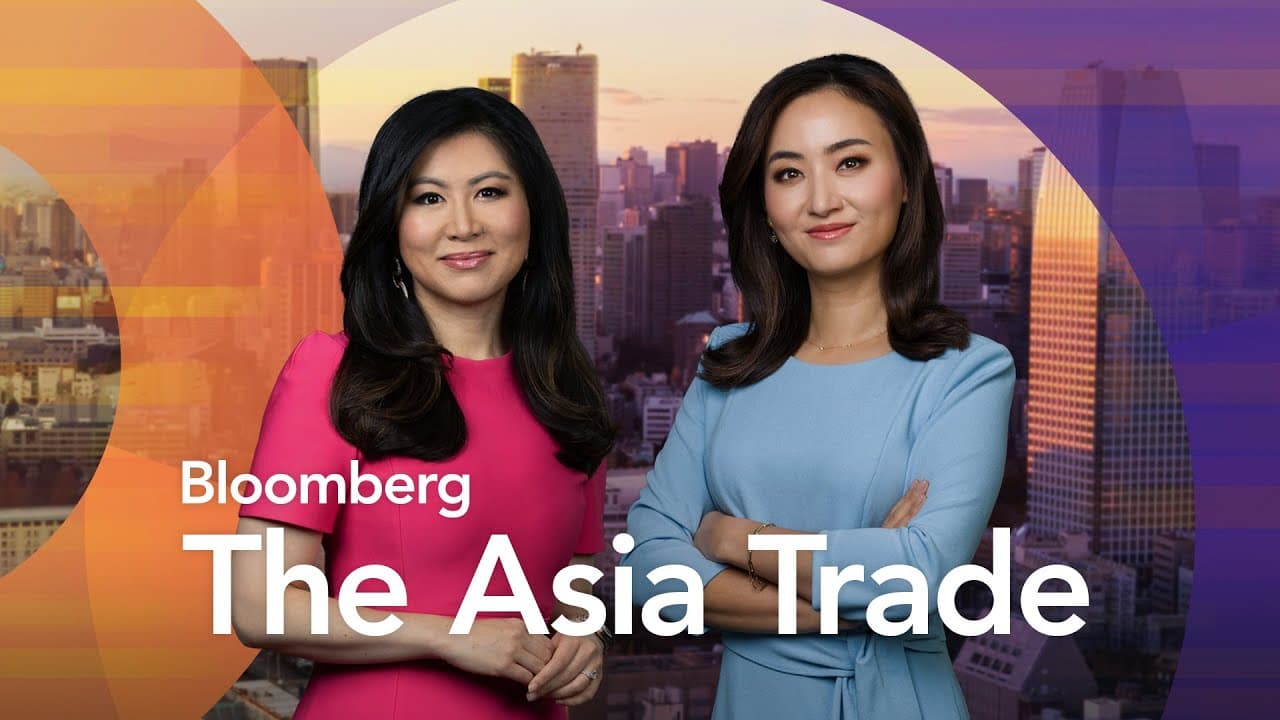
SHERY AHN: THIS IS "THE ASIA TRADE." AVRIL: I'M AVRIL HONG. ASIAN STOCKS OPEN A LOWER. OIL JUMPING AS U.S. SANCTIONS OF RUSSIA'S BIGGEST PRODUCERS OVER THE WAR IN UKRAINE. PROFIT TUMBLED MORE THAN EXPECTED. ELON MUSK IS TRYING TO SHIFT INVESTOR FOCUS TO ROBOTAXIS AND HUMANOIDS. PLUS, WE HEAR FROM THE FINANCE MINISTER OF SOUTH KOREA ABOUT TALKS WITH... Read More
Key Insights
- The new United States sanctions target Rosneft and Lukoil, identified as Russia's largest oil producers. The measures are intended to pressure President Vladimir Putin into negotiating an end to the war in Ukraine and caused oil prices and Asian oil-related stocks to rise.
- The sanctions are President Trump's first against Russia during his second term. Michael Heath characterized them as a significant step in the right direction, although he cautioned that they would not create an immediate change or independently stop Russia's military campaign.
- Russia's oil industry is an important source of budget income. Restricting that revenue could make financing the war more difficult, while sustained Western pressure would challenge Putin's reported expectation that Western governments will eventually lose interest, divide, and allow Russia to prevail.
- China's dependence on discounted Russian energy complicates Trump's pressure campaign. China bought a record 100 million tons of Russian crude oil last year, close to 20 percent of its energy imports, and had also signed a gas pipeline agreement with Russia during the current year.
- The planned Trump-Xi meeting in South Korea has a broad agenda. Expected subjects include China's Russian oil purchases, soybeans, tariffs, and possible restrictions on critical software exports, with Trump indicating that the two leaders were prepared for a lengthy discussion.
- Potential United States software restrictions on China could affect both economies. The proposed controls were described as a possible response to China's export controls, but their scope and any extraterritorial application to foreign products relying on United States software remained unclear.
- Tesla's record third-quarter vehicle sales did not prevent a larger-than-expected profit decline. Its overall costs rose 50 percent, including $400 million in tariff costs, while investors worried that sales could weaken after the expiration of a $7,500 electric vehicle tax incentive.
- Tesla's automotive business remains the source of funding for its robotaxi and humanoid ambitions. Investors may view the company as an artificial intelligence business, but the discussion emphasized that Tesla still makes its money by selling electric vehicles and needs robust vehicle operations.
Install to Summarize YouTube Videos and Get Transcripts
Explore YouTube Video Summarizer or Get YouTube Transcript Extractor
Questions & Answers
Q: Why did oil prices rise after the new Russia sanctions?
Oil prices rose because the United States announced sanctions against Rosneft and Lukoil, described as Russia's largest oil producers. The measures target companies that contribute substantially to Russian budget income and are intended to pressure President Vladimir Putin toward negotiations over Ukraine. Markets responded to the possibility that restrictions on major producers could affect Russian oil activity and global supply conditions.
Q: What are the new United States sanctions intended to accomplish?
The sanctions are intended to reduce the financial resources available to Russia and increase pressure on President Vladimir Putin to negotiate an end to the war in Ukraine. Michael Heath said they would not immediately change the conflict or stop the war by themselves. Their broader purpose is to make financing the campaign harder and demonstrate that Western pressure will continue over time.
Q: Why are the sanctions against Rosneft and Lukoil significant?
Rosneft and Lukoil were identified as Russia's largest oil producers, placing the sanctions close to a major source of Russian government revenue. The action is also significant because it represents President Trump's first sanctions against Russia during his second term. Although the immediate effect may be limited, the measures signal a tougher response after repeated conversations with Putin failed to produce progress.
Q: How could China affect the impact of sanctions on Russian oil?
China is a major buyer of Russian energy and therefore could influence how much pressure the sanctions place on Moscow. China bought a record 100 million tons of Russian crude oil last year, close to 20 percent of its energy imports. Because sanctioned Russian energy is available at cheaper prices, replacing those supplies with oil from other countries could be costly for China.
Q: What was expected to be discussed at the Trump-Xi meeting?
President Trump planned to raise China's purchases of Russian oil when meeting Xi Jinping in South Korea. The discussion was expected to cover the Russia-Ukraine war as part of a broader agenda that also included soybeans, tariffs, and possible restrictions on critical software exports to China. Trump indicated that the leaders were prepared to speak for a long time about these issues.
Q: What software restrictions was the United States considering for China?
The United States was considering broad controls on exports of critical software to China in response to Chinese export controls. The exact scope was unclear, including whether the policy would contain an extraterritorial element affecting foreign products that rely on United States software. Scott Bessent said everything was on the table and suggested that any measures would be coordinated with other G7 nations.
Q: Why did Tesla's profit disappoint despite record sales?
Tesla reported record third-quarter vehicle sales, partly because customers rushed to use electric vehicle tax credits before they expired in September. However, adjusted earnings were 50 cents per share, and profit fell more than expected. Overall costs increased by 50 percent, including $400 million in tariff costs, creating concern that sales could weaken after the $7,500 incentive disappeared.
Q: Why does Tesla's car business matter to its robotaxi plans?
Tesla's vehicle business matters because it generates the money needed to finance the company's proposed future in robotaxis and humanoid robots. Investors may treat Tesla as an artificial intelligence company, but the discussion stressed that it still earns its money by selling electric vehicles. A robust automotive operation is therefore necessary to fund development of those longer-term projects.
Summary & Key Takeaways
-
The United States sanctioned Russia's largest oil producers after President Trump canceled a planned meeting with Vladimir Putin. Oil prices and related Asian stocks rose as markets assessed the potential supply effects. The sanctions represent Trump's first measures against Russia during his second term and target significant sources of Russian budget income.
-
China's purchases of discounted Russian energy became a potential topic for the planned Trump-Xi meeting in South Korea. China bought a record 100 million tons of Russian crude oil last year, close to 20 percent of its energy imports, making a rapid shift toward alternative suppliers potentially costly for Beijing.
-
Asian markets also confronted weaker Tesla earnings, possible United States software restrictions on China, pressure on the South Korean won, and monetary policy uncertainty. Tesla's costs rose 50 percent, including $400 million in tariff expenses, while the Bank of Korea ultimately kept its policy rate unchanged at 2.50 percent.
Read in Other Languages (beta)
Share This Summary 📚
Summarize YouTube Videos and Get Video Transcripts with 1-Click
Try YouTube Summary with ChatGPT & Claude or YouTube Transcript Generator
Explore More Summaries from Bloomberg Television 📚


Summarize YouTube Videos and Get Video Transcripts with 1-Click
Try YouTube Summary with ChatGPT & Claude or YouTube Transcript Generator