How to Improve Yourself With the 1% Rule

TL;DR
Improve yourself by making one small, sustainable change at a time, then adding another after the first becomes habitual. Trying to transform everything at once creates overwhelm and dependence on willpower, while daily 1% improvements build momentum, confidence, and routines that can produce much larger results over time.
Transcript
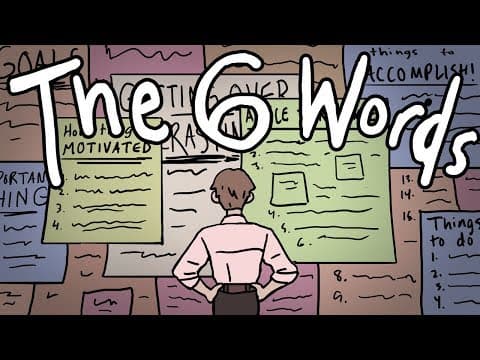
have you ever felt stuck like no matter how hard you try you just can't seem to get to your goal it's frustrating you said big Ambitions for yourself maybe you want to hit the gym every day wake up at 5:00 a.m. cut out sugar and junk food read a book A Week basically become a better version of yourself overnight you want change now for a while it f... Read More
Key Insights
- All-or-nothing thinking is a major self-improvement trap because it treats complete lifestyle transformation as an immediate requirement. Large goals can provide direction, but trying to achieve every desired change simultaneously creates overwhelm and makes setbacks more likely to end the entire effort.
- Self-sabotage is often driven by unrealistic expectations rather than a lack of ambition. Comparing personal progress with other people’s visible success can make difficult achievements appear easy or create pressure to obtain results faster than a sustainable process allows.
- Willpower alone is not a reliable foundation for lasting change because continued dependence on determination can lead to burnout. When initial excitement disappears, routines without manageable steps or sufficient preparation become difficult to maintain, encouraging a repeated cycle of starting and stopping.
- The 1% rule is an approach centered on becoming 1% better each day instead of becoming a completely different person overnight. The transcript states that daily improvement at this rate can make someone 37 times better by the end of a year.
- Small actions are effective because they reduce overwhelm and make consistency more realistic. A 10-minute walk or three minutes of meditation may seem insignificant initially, but each action can establish a routine that supports larger efforts after the behavior becomes familiar.
- Small wins are a source of momentum and confidence because they provide repeated evidence of progress. As confidence increases, people may naturally become more willing to take larger steps while continuing to prioritize the process rather than demanding immediate perfection.
- The ripple effect occurs when improvement in one area supports progress in others. Better health can create more energy, which can improve productivity and confidence, while increased confidence can contribute to better relationships, greater opportunities, and a deeper sense of fulfillment.
- Habit stacking is a technique for grouping small habits into a routine by associating one behavior with another. This connection makes desired actions easier to remember, reduces friction, and helps separate continued progress from temporary motivation or willpower.
Install to Summarize YouTube Videos and Get Transcripts
Explore YouTube Video Summarizer or Get YouTube Transcript Extractor
Questions & Answers
Q: How can I use the 1% rule for self-improvement?
Define what complete success looks like, then map the small steps that could gradually move you toward it. Choose one action that is easy to repeat, such as taking a five-minute walk, drinking another glass of water, or writing another 100 words. Continue until the behavior becomes habitual, then add another manageable change instead of attempting the entire transformation immediately.
Q: What is the 1% rule for personal growth?
The 1% rule is the practice of focusing on becoming 1% better each day instead of attempting to become a completely different person overnight. It treats growth as the accumulation of small, sustainable improvements. The transcript states that improving by 1% each day can make someone 37 times better by the end of a year.
Q: Why do ambitious self-improvement plans often fail?
Ambitious plans often fail when people try to change too much too quickly. They may attempt to exercise daily, wake at 5:00 a.m., eliminate unhealthy food, and read a book every week at the same time. Once motivation fades, the combined demands become overwhelming, missed actions feel like failure, and the person may abandon every goal.
Q: How does all-or-nothing thinking undermine new habits?
All-or-nothing thinking makes anything short of complete adherence appear unsuccessful. A missed workout, extra sleep, distraction, or unhealthy meal can therefore become evidence that the entire effort has failed. This interpretation damages confidence and encourages a return to familiar routines, even though a temporary setback does not erase previous progress or prevent another small step.
Q: Why is willpower not enough for lasting change?
Willpower can support the initial burst of motivation, but relying on it continuously makes burnout more likely. Difficult routines become harder to follow after excitement fades, especially when goals have not been divided into manageable actions or planned for challenging periods. Sustainable habits reduce this dependence by slowly changing what feels normal and making useful behaviors easier to repeat.
Q: What are practical examples of small daily improvements?
Practical improvements include taking a 10-minute walk instead of immediately committing to intense daily workouts, meditating for three minutes instead of starting with 30, drinking another glass of water, writing another 100 words, or taking a five-minute walk. Each action is deliberately modest so it can be repeated consistently and expanded after becoming established.
Q: How do small improvements create a ripple effect?
A small improvement can influence several connected parts of life. The transcript gives the example that better health can produce more energy, which can improve productivity and confidence. That confidence can then support better relationships, greater opportunities, and a deeper sense of fulfillment. The broader effect begins with one sustainable action rather than an immediate overhaul.
Q: How does habit stacking support the 1% rule?
Habit stacking supports gradual improvement by connecting one small habit with another to form a routine. Associating behaviors makes the next action easier to remember and reduces friction around doing something beneficial. Over time, these linked actions can accumulate into larger results while requiring less dependence on fluctuating motivation, intense discipline, or a sudden desire to change everything.
Summary & Key Takeaways
-
All-or-nothing thinking turns ambitious self-improvement plans into overwhelming demands. After initial motivation fades, missed workouts, late mornings, distractions, and unhealthy choices can feel like personal failure. This often leads people to abandon their goals completely, even though the real problem is attempting too many difficult changes at once.
-
The 1% rule replaces sudden transformation with small daily improvements. A 10-minute walk can precede harder exercise, while three minutes of meditation can precede longer sessions. These manageable actions reduce overwhelm, create small wins, and build confidence. Each established habit becomes a foundation for the next step toward the larger goal.
-
To apply the rule, define what complete success looks like and map the small steps that could lead there. Begin with an action such as drinking another glass of water, writing another 100 words, or walking for five minutes. Add changes slowly and connect habits through habit stacking to create a sustainable routine.
Read in Other Languages (beta)
Share This Summary 📚
Summarize YouTube Videos and Get Video Transcripts with 1-Click
Try YouTube Summary with ChatGPT & Claude or YouTube Transcript Generator
Explore More Summaries from Improvement Pill 📚





Summarize YouTube Videos and Get Video Transcripts with 1-Click
Try YouTube Summary with ChatGPT & Claude or YouTube Transcript Generator