I Quit My Job to Make $6M/Year With AI Apps: How Ben Benkhin Built WOMBO
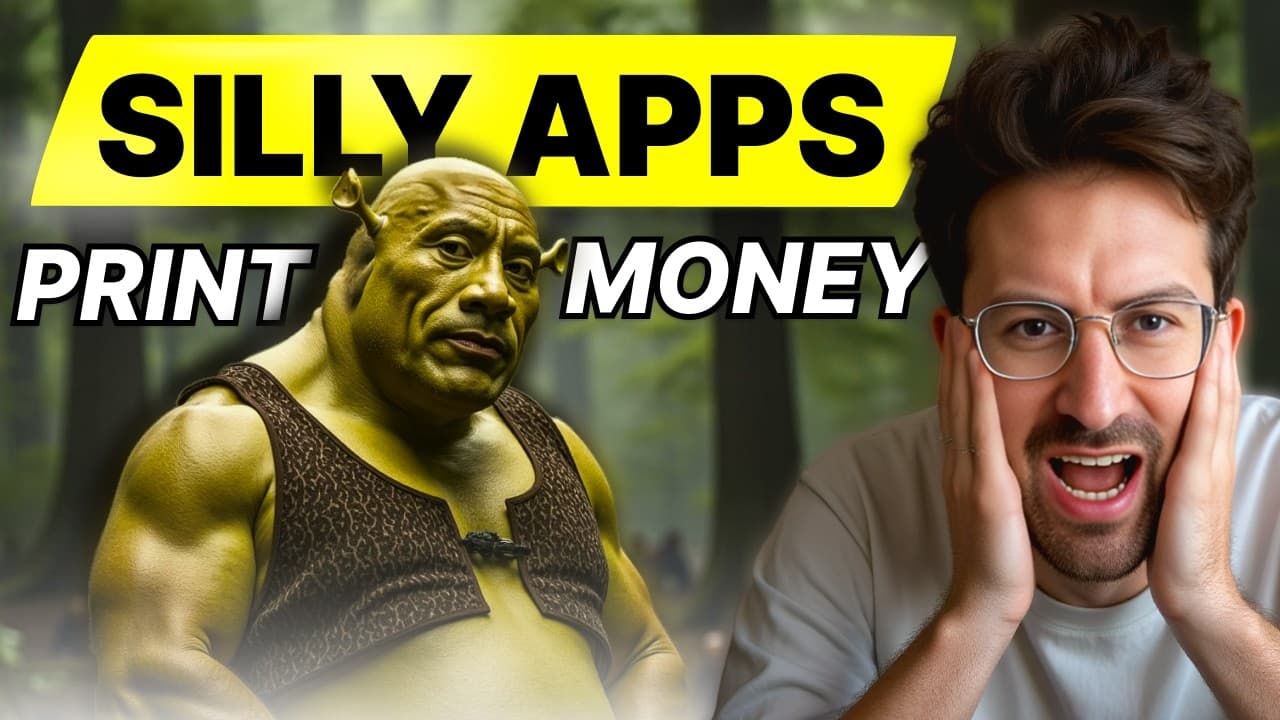
TL;DR
Build a viral AI app by finding a proven product pattern, applying it to an emerging model, and making the output effortless to create and share. Ben Benkhin turned a Google Colab workflow into WOMBO’s four-screen experience after seven months of development, helping his apps reach more than 250 million downloads. Read on for the specific product, content, growth, and monetization decisions behind that result.
Transcript
This is not your standard SIP episode. I brought on this guy who went from zero to 250 million mobile app installs using some open-source AI models. He tells the whole story how he did it. You know, it definitely fired me up around this whole new wave of creating, you know, multi-million dollar uh mobile apps in under 7 months. Ben, you've created ... Read More
Key Insights
- Mimesis is the practice of copying a proven pattern and adding a personal variation. Ben first applied it in League of Legends by watching stronger players in the same role, copying their decisions, and adapting those decisions to his own play.
- WOMBO emerged from combining two visible signals: Reface had demonstrated demand for simple AI face applications, and memes made with the open-source first order motion model were spreading online. Together, those signals suggested that a more accessible mobile experience could attract a broad audience.
- Competition is evidence that people want a category, not proof that every opportunity has disappeared. Ben did not view WOMBO as a direct attempt to defeat Reface, because he believed an early creative market could support many different products, creators, and interpretations.
- WOMBO reduced a technical workflow to four core screens: selfie input, song selection, loading, and output. This simplicity replaced a Google Colab process that required substantially more technical familiarity, allowing even very young or inexperienced users to understand the product quickly.
- Virality is strongest when the product creates content that users naturally want to share. WOMBO let people animate themselves, relatives, politicians, or other subjects, so each result could become both entertainment and a demonstration that encouraged another person to try the app.
- Song selection was a core product decision rather than a minor content detail. The team launched with 15 recognizable, iconic, or meme-oriented songs and deliberately created matching driving videos, including choices that people could enjoy without understanding English.
- WOMBO spent no money on marketing and directed its spending toward AI inference. Organic distribution came from users creating and sharing outputs, demonstrating that product behavior itself can serve as acquisition when every completed creation invites viewing, imitation, and further experimentation.
- Monetization combined subscriptions and advertisements, while about 2 percent of users paid and the other 98 percent supported distribution. This structure treated nonpaying users as valuable participants because their creations and sharing behavior helped expand the audience and sustain the viral loop.
Install to Summarize YouTube Videos and Get Transcripts
Explore YouTube Video Summarizer or Get YouTube Transcript Extractor
Questions & Answers
Q: How can you find an idea for a viral AI app?
Look for several signals that a product pattern already works, then identify an emerging technology that remains difficult to use. Ben combined Reface’s proven demand with viral memes powered by the open-source first order motion model, then made that technical workflow accessible through WOMBO.
Q: What does the “copy what works” strategy mean for app builders?
Ben describes the strategy as mimesis: study something successful, understand its useful pattern, and apply that pattern with your own variation. He first practiced it by watching stronger League of Legends players in his role, copying their decisions, and adding his own spin.
Q: Why did WOMBO take seven months to launch?
Ben initially thought the team could build the app in a week, but development took seven months. The idea emerged in August 2020, and WOMBO launched in March 2021.
Q: Why was WOMBO easier to use than the original AI workflow?
The original process required a Google Colab notebook, a selfie, a driving video, and technical steps unfamiliar to ordinary users. WOMBO reduced it to four core stages: selfie input, song selection, loading, and output.
Q: How did WOMBO create a viral content loop?
WOMBO generated amusing animations that users naturally wanted to share, featuring themselves, relatives, politicians, or other subjects singing familiar songs. Each shared result demonstrated the product to new viewers and encouraged them to create another version.
Q: Why was song selection important to WOMBO’s growth?
The team launched with 15 songs selected for recognizability, cultural reach, or meme appeal. It also made a matching driving video for every song, while choosing music that could remain enjoyable even when listeners did not understand English.
Q: How did WOMBO grow without paid marketing?
WOMBO spent no money on marketing and directed its spending toward AI inference. Users distributed the app by sharing funny, recognizable outputs, so each creation could attract viewers and inspire further creations.
Q: How can a viral AI app monetize mostly free users?
The approach combined subscriptions and advertisements, with about 2 percent of users paying. The other 98 percent still contributed value by creating and sharing content that expanded distribution and attracted more users.
Summary & Key Takeaways
-
Ben Benkhin describes mimesis as studying something that already works, understanding why it succeeds, and applying the pattern with a distinct spin. He used signals from Reface, viral AI memes, and an open-source motion model to identify an opportunity for a simple consumer app that animated selfies to sing recognizable songs.
-
WOMBO transformed a process involving a Google Colab notebook into four basic stages: selfie input, song selection, loading, and output. Its accessibility allowed users to create amusing content quickly. The product encouraged sharing and repeated creation, while carefully selected songs and driving videos made its results recognizable across languages and cultures.
-
The broader strategy begins with attention rather than monetization. A simple, funny experience acts like a small piece of candy that introduces users to the product. Subscriptions and advertising can generate revenue, while the large majority of nonpaying users create and distribute content that supports virality and attracts additional users organically.
Read in Other Languages (beta)
Share This Summary 📚
Summarize YouTube Videos and Get Video Transcripts with 1-Click
Try YouTube Summary with ChatGPT & Claude or YouTube Transcript Generator
Explore More Summaries from Greg Isenberg 📚

Summarize YouTube Videos and Get Video Transcripts with 1-Click
Try YouTube Summary with ChatGPT & Claude or YouTube Transcript Generator