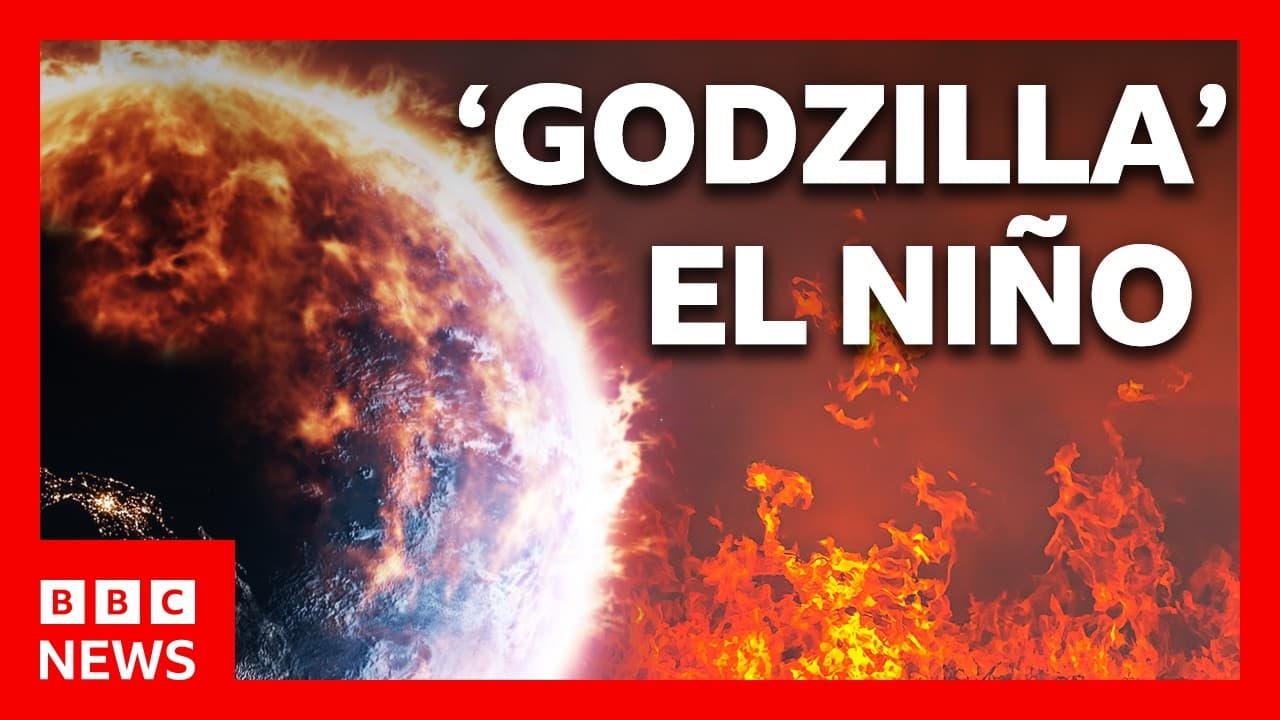
What is El Nino and how could it affect global weather?
TL;DR
El Nino is a natural Pacific warming event that changes weather patterns worldwide. It may be the strongest in living memory and could push 2027 to be extremely hot while bringing droughts to some regions and heavy rain to others. Climate change can amplify its impacts, though it does not cause El Nino itself.
Transcript
I've been involved in long-range forecasting for many years and I have never seen an event like this. Something extraordinary is developing beneath the surface of the tropical Pacific which has the power to reshape weather across the globe. It is a natural climate pattern called El Nino. >> The reality is we're already within the El Nino event. We'... Read More
Key Insights
- El Nino is a natural climate pattern where warm Pacific surface waters influence the atmosphere.
- The event can weaken or reverse trade winds, moving heat eastwards across the Pacific.
- Global temperatures typically rise by about 0.2 Celsius during El Nino events.
- Experts warn this could be the strongest El Nino in living memory, potentially beating past records.
- El Nino affects rainfall: wetter conditions near South America and drier conditions elsewhere in the Pacific.
- Impacts include droughts in Australia and the Amazon, and more rain in the southern United States.
- The Atlantic hurricane season is often suppressed during El Nino years, altering storm activity.
- Climate change amplifies El Nino effects, making heat, droughts, and heavy rainfall more intense.
- More videos from this channel:
- More from this channel: BBC News
Install to Summarize YouTube Videos and Get Transcripts
Explore YouTube Video Summarizer or Get YouTube Transcript Extractor
Questions & Answers
Q: What is El Nino and how does it form?
El Nino is a natural climate pattern where the tropical Pacific Ocean warms up well above normal levels, acting like a radiator that transfers heat into the atmosphere and raises global temperatures. It forms when trade winds weaken or reverse, allowing warm surface waters to move eastward toward the central and eastern Pacific, altering weather patterns worldwide.
Q: How long does El Nino typically last and how often does it occur?
El Nino events typically last around one year. They occur every two to seven years, but no two El Nino episodes are the same, meaning the strength and impacts can vary notably from one event to another.
Q: Could this El Nino be the strongest in living memory and why?
Experts think this El Nino could be the strongest in living memory because forecasts suggest a peak that is likely to be a record event. They compare it with historical records and with the current pattern of heat buildup in the tropical Pacific and note that it may surpass previous strong events in terms of impact, though measurements differ across eras.
Q: What are the potential global impacts of this El Nino?
Impacts depend on location but commonly include wetter conditions near the west coast of South America, drier conditions elsewhere in the Pacific, and a global temperature rise during the event. Regions like Australia and the Amazon could face more droughts and wildfires, while some parts of the United States may see more rain and storms.
Q: How might El Nino influence the 2027 climate situation?
If this El Nino is as strong as expected, it could contribute to higher global temperatures and more extreme weather in 2027, including hotter conditions in some regions. The pattern shown indicates a potential for a hotter year when combined with the longer term trend of climate change, amplifying heat and rainfall extremes.
Q: What role does climate change play in El Nino events, according to the video?
The video explains that climate change does not cause El Nino to happen more often, but it amplifies its effects. A warmer atmosphere and oceans can intensify heat, droughts, and heavy rainfall during El Nino years, making the impacts more severe than they would be otherwise.
Q: What has been said about El Nino and the Atlantic hurricane season?
During El Nino years, the Atlantic hurricane season is often suppressed, resulting in fewer named storms and altered storm activity. The video notes this pattern and explains that changes in global wind and rainfall patterns influence hurricane development in the Atlantic.
Q: How does El Nino compare to historical events like 1877 or the 2015 2016 episode?
The video discusses that 1877 is often cited as possibly the strongest El Nino on record, and the current event is forecast to bring sea temperatures around or above those levels. It also references 2015 2016, noting that El Nino can cause droughts and wildfires in various regions and affect global food security and prices.
Summary & Key Takeaways
-
El Nino is a natural climate pattern that warms the tropical Pacific Ocean and can shift weather globally. The video describes how El Nino forms, its typical duration, and its potential to be the strongest in living memory.
-
Impacts vary by region, with droughts and wildfires possible in some areas and heavy rainfall or floods in others, plus effects on agriculture and storms in different oceans and continents.
-
Climate change is shown as amplifying El Nino's effects by raising baseline temperatures, while not increasing how often El Nino events occur.
Read in Other Languages (beta)
Share This Summary 📚
Summarize YouTube Videos and Get Video Transcripts with 1-Click
Try YouTube Summary with ChatGPT & Claude or YouTube Transcript Generator
Explore More Summaries from BBC News 📚



Summarize YouTube Videos and Get Video Transcripts with 1-Click
Try YouTube Summary with ChatGPT & Claude or YouTube Transcript Generator