How to Create a Liquid Level Controller for Aquariums
TL;DR
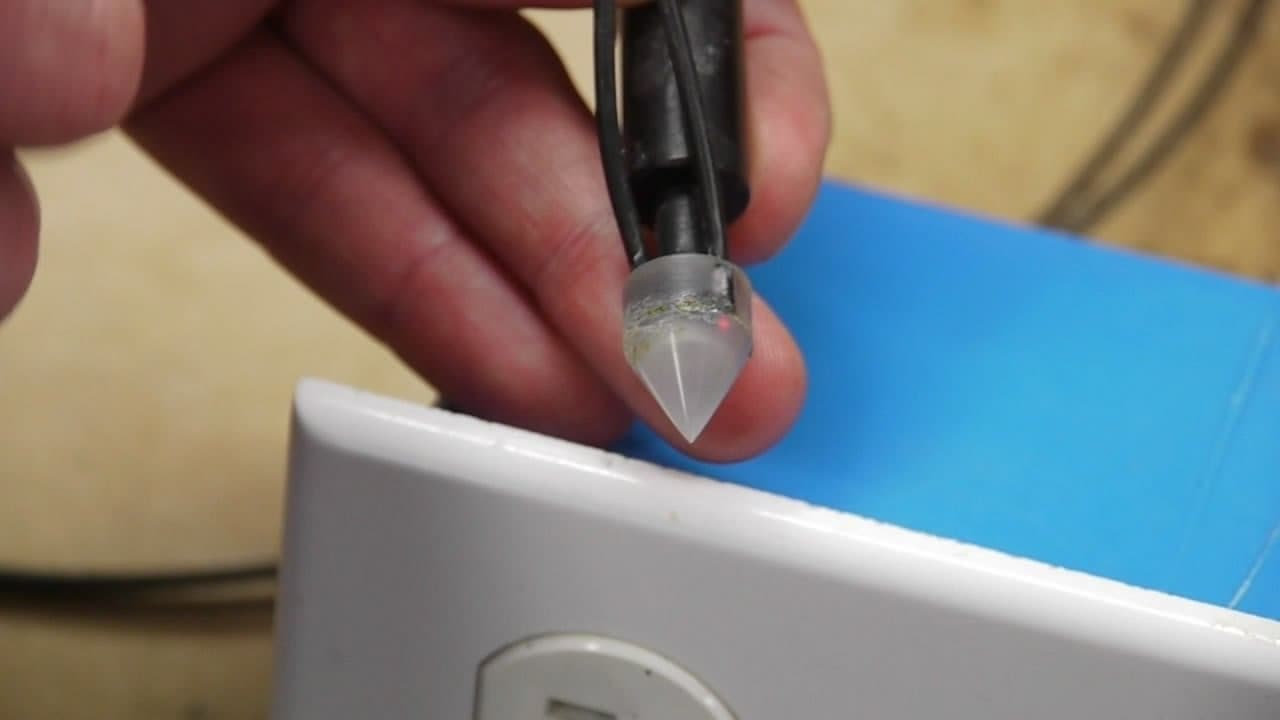
To create a liquid level controller for aquariums, use fiber-optic sensors to detect water levels and connect them to a pump through a solid-state relay. This system helps maintain the water level automatically, saving time and preventing evaporation losses. The sensors can be made from affordable Toslink audio cables, making the solution both effective and cost-efficient.
Transcript
hey everyone here's a project that built a while back that resurfaced recently this is a liquid level controller that I originally built for my aquarium so let me show you how it works the probe is here and when the probe is in water you can see the status light has gone off over here and as soon as the probe is removed from water the light comes b... Read More
Key Insights
- ✋ The liquid level controller is a time-saving solution for aquarium owners, particularly those with high-intensity lighting in reef aquariums.
- 🚾 The commercially available unit used in the controller is configurable, allowing users to set their desired threshold for water level.
- 💦 Fiber-optic sensors provide a reliable and robust method of detecting water level without susceptibility to false positives from calcium deposits or algae.
- 🚠 The sensors can be made from cheap Toslink audio cables, offering a cost-effective option for aquarium enthusiasts.
- 💿 Polishing the end of the fiber-optic sensors can improve their optical quality.
- 😒 The controller uses a solid-state relay to trigger the water pump, making it compatible with 12 to 24 volts DC power supply.
- 🫗 The liquid level controller can be customized for various sensing applications beyond aquariums, such as object detection on conveyor belts.
Install to Summarize YouTube Videos and Get Transcripts
Explore YouTube Video Summarizer or Get YouTube Transcript Extractor
Questions & Answers
Q: How does the liquid level controller work?
The controller uses a probe that generates and measures light signals through fiber-optic sensors. When the probe is in water, less light is detected, indicating a low water level. When the probe is out of water, more light is detected, triggering a switch to turn on or off a water pump.
Q: Where can the commercially available unit be purchased?
The presenter mentions getting the unit from surplus at Hall Ted and later buying them on eBay for a reasonable price.
Q: What are the advantages of using fiber-optic sensors?
Fiber-optic sensors are robust, reliable, and unaffected by calcium deposits or algae growth. They provide a repeatable and accurate measurement of the water level without any moving parts.
Q: Can the fiber-optic sensors be easily prepared and polished?
Yes, cutting the fiber with scissors and polishing the end using sandpaper and a polishing puck can help improve the optical quality of the sensors.
Summary & Key Takeaways
-
The liquid level controller uses a commercially available unit to regulate the water level in an aquarium.
-
The controller utilizes fiber-optic sensors to detect when the water level is low or high.
-
It is designed to save time and prevent water loss due to evaporation in reef aquariums.
Read in Other Languages (beta)
Share This Summary 📚
Summarize YouTube Videos and Get Video Transcripts with 1-Click
Try YouTube Summary with ChatGPT & Claude or YouTube Transcript Generator
Explore More Summaries from Applied Science 📚



Summarize YouTube Videos and Get Video Transcripts with 1-Click
Try YouTube Summary with ChatGPT & Claude or YouTube Transcript Generator