How to Overcome Aversion to People Using Stoicism
TL;DR
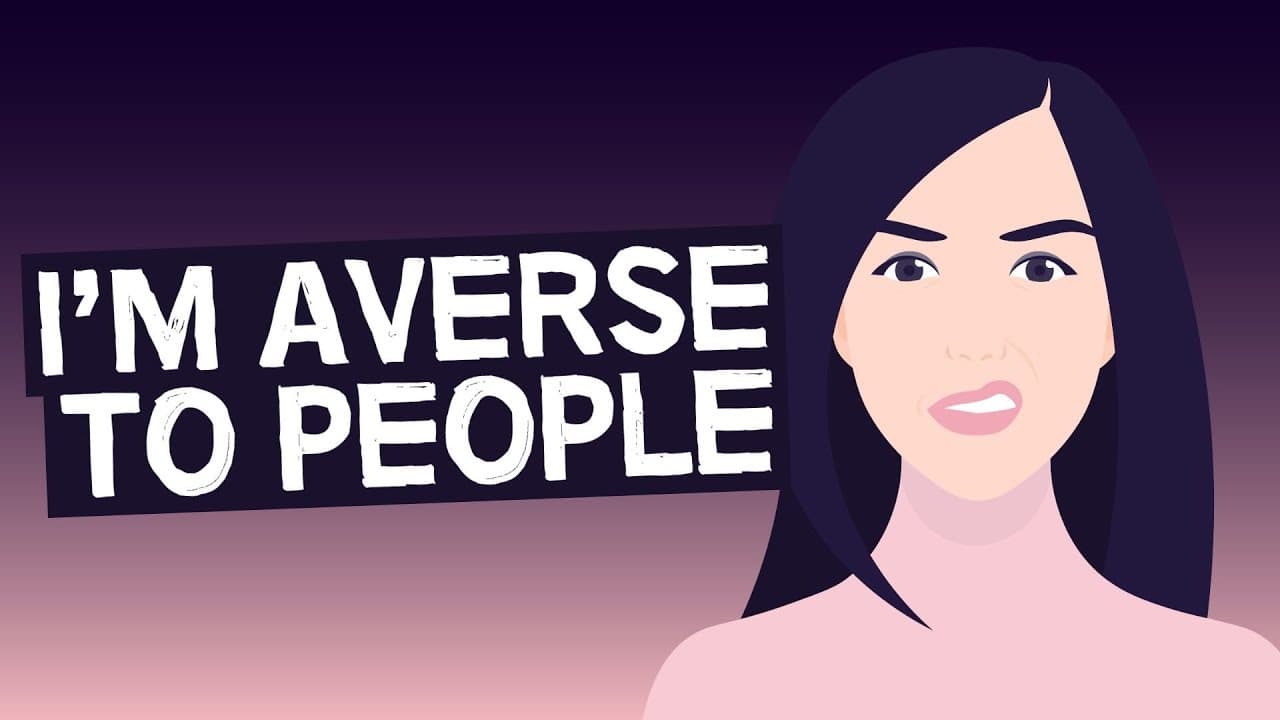
To overcome aversion to people, apply Stoic principles by rationally examining your fears and beliefs about them. Recognize that aversion is often based on irrational thoughts; challenge these by seeking understanding. Healthy detachment, rather than hatred or fear, promotes better emotional balance and interpersonal relationships.
Transcript
The dynamics of desire and aversion lie at the basis of Stoic thought in regards to how we relate to the world. Aversion means a strong dislike and disinclination towards something or someone. Even though this might seem harmless; it can cause a lot of trouble. In this video I want to share Stoic views on aversion and how to deal with it. I recentl... Read More
Key Insights
- ❓ Desire and aversion are intertwined in Stoic philosophy, influencing our happiness and well-being.
- 🤳 Aversion towards harmful individuals is a natural instinct for self-preservation.
- 🤔 Rational thinking can override irrational fears and aversions, leading to better interpersonal relationships.
- 🤑 Cognitive behavioral therapy, with Stoic roots, helps replace irrational thoughts with rational ones for emotional well-being.
- 🥺 Developing healthy detachment from harmful individuals can lead to problem-solving without unnecessary anger or resentment.
- 🫡 Practicing compassion and understanding towards others can help alleviate aversions and promote mutual respect.
- 🥺 Being attached to aversions can lead to inner turmoil and wasted energy, while healthy detachment promotes emotional balance.
Install to Summarize YouTube Videos and Get Transcripts
Explore YouTube Video Summarizer or Get YouTube Transcript Extractor
Questions & Answers
Q: How do desire and aversion influence human happiness according to Stoicism?
Stoicism teaches that desire and aversion are interconnected and conditional for happiness, as desires inherently contain aversions towards their absence.
Q: Why is it important to challenge irrational thoughts about people we are averse to?
Challenging irrational thoughts helps us avoid unnecessary harm towards ourselves and others, allowing for a more balanced and rational approach to interpersonal relationships.
Q: How can cognitive behavioral therapy be linked to Stoic philosophy?
Cognitive behavioral therapy, rooted in Stoicism, focuses on replacing irrational thoughts with rational ones to improve emotional well-being and interpersonal interactions.
Q: How can developing a healthy detachment from people we are averse to benefit us?
Developing a healthy detachment allows us to address problems calmly and compassionately, promoting understanding and mutual respect, thus improving our overall well-being.
Summary & Key Takeaways
-
Stoicism views desire and aversion as intertwined and conditional for happiness.
-
Aversion towards harmful individuals is natural for self-preservation.
-
Rational thinking can override irrational fears and aversions, leading to a more balanced approach to interpersonal relationships.
Read in Other Languages (beta)
Share This Summary 📚
Summarize YouTube Videos and Get Video Transcripts with 1-Click
Try YouTube Summary with ChatGPT & Claude or YouTube Transcript Generator
Explore More Summaries from Einzelgänger 📚





Summarize YouTube Videos and Get Video Transcripts with 1-Click
Try YouTube Summary with ChatGPT & Claude or YouTube Transcript Generator