Cold, Hypoxia and shivering - Human and Applied Physiology 2017
TL;DR
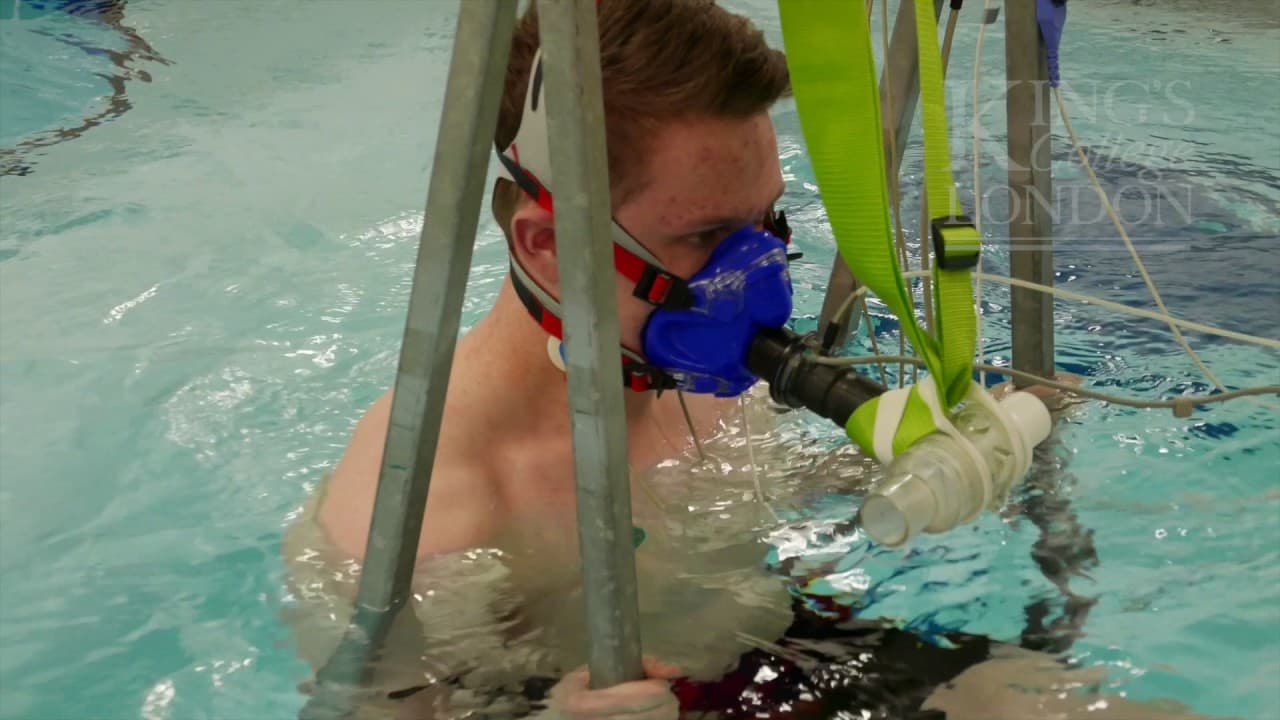
This content discusses a study conducted at the University of Portsmouth to analyze the combined impact of hypoxia and cold water immersion on various physiological factors.
Transcript
every know what else can we do when we're feeling low so take a deep breath it we're here at the University of Portsmouth on a field trip looking at the combined effect of hypoxia and cold water emersion over to C C water for you and all time take us to different places I will still be patient with you and I will you tonight I Won't Let Go subjects... Read More
Key Insights
- 🥶 Cold water immersion increases respiratory rate and cardiac activity.
- 📶 Grip strength, thermal comfort, and respiratory function were measured during the study.
- ☠️ Hypoxia was found to have an impact on metabolic rate and other physiological indices.
- 📶 The study used grip strength as an indicator of muscular performance.
- 🥰 Continuous measures of heart rate and muscle activity were recorded to assess shivering response.
- 🥶 The effects of cold water immersion were compared to the subject's metabolic rate while cycling.
- 🧑🏭 The study aimed to understand how hypoxia impacts metabolism and other physiological factors.
Install to Summarize YouTube Videos and Get Transcripts
Explore YouTube Video Summarizer or Get YouTube Transcript Extractor
Questions & Answers
Q: What is the purpose of this study?
The study aims to determine the effects of hypoxia and cold water immersion on various physiological factors, such as respiratory function and metabolic rate.
Q: What were the conditions of the experiments?
Subjects were immersed in 15° water for 30 minutes, followed by breathing low oxygen levels for 10 minutes, and then breathing room air for 10 minutes. Additionally, they repeated the experiment in ambient air while cycling at the same metabolic rate.
Q: Did cold water immersion have any immediate effects on the subjects?
Yes, cold water immersion led to an increased respiratory rate and cardiac activity, indicating physiological responses to the cold stimulus.
Q: What measures were taken to assess the subjects' thermal comfort?
The study measured perceived thermal comfort and sensation to evaluate how the subjects perceive the temperature changes during the experiments.
Summary & Key Takeaways
-
Subjects were immersed in 15° water for 30 minutes, followed by breathing 14.4% oxygen for 10 minutes.
-
Cold water immersion resulted in increased respiratory rate and cardiac activity.
-
Grip strength, thermal comfort, respiratory function, heart rate, and muscle activity were measured during the experiments.
Read in Other Languages (beta)
Share This Summary 📚
Summarize YouTube Videos and Get Video Transcripts with 1-Click
Try YouTube Summary with ChatGPT & Claude or YouTube Transcript Generator
Explore More Summaries from Dory Video 📚





Summarize YouTube Videos and Get Video Transcripts with 1-Click
Try YouTube Summary with ChatGPT & Claude or YouTube Transcript Generator