How Is Nylon Plastic Made Industrially?
TL;DR
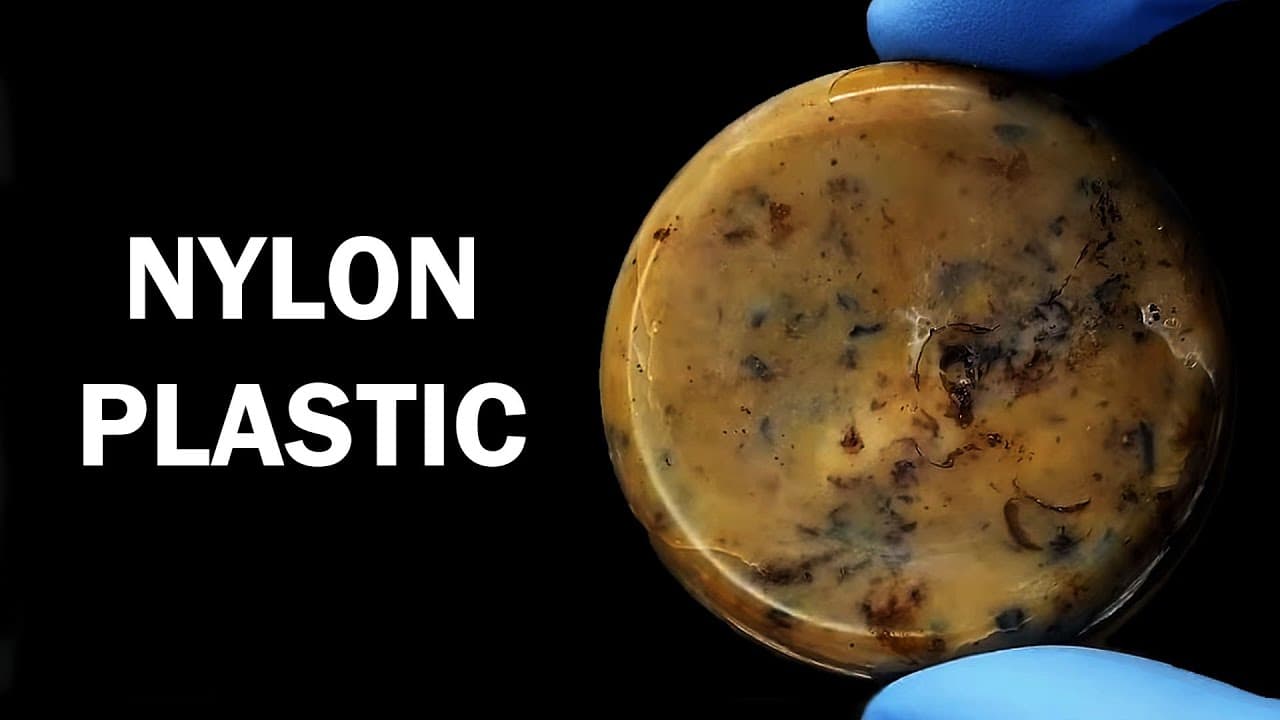
Nylon is produced industrially through an acid-base reaction between adipic acid and hexamethylenediamine, resulting in nylon 6-6 salt. This process utilizes specific chemicals, proper equipment, and controlled heating under an inert atmosphere for efficiency. Unlike homemade methods, industrial production avoids chemical waste and ensures consistent polymer quality.
Transcript
few months ago I made some nylon and here's some footage from the video although this is an interesting way to make it it's not the most efficient method and it's not how it's done industrially the process that I showed was mostly for demonstration purposes because it's quite wasteful in terms of solvents and other chemicals in this video I want to... Read More
Key Insights
- 🛀 The homemade nylon production process shown in the video is not the most efficient or industrial method.
- 🎮 Industrial nylon production involves specific chemicals, proper equipment, and controlled conditions for greater efficiency.
- ⚾ Nylon 6-6 is produced through an acid-base reaction between adipic acid and hexamethylenediamine.
- ❓ The homemade process can be improved to produce better quality nylon.
- 🥵 The industrial process utilizes a pear-shaped flask and a hot oil bath for better heat distribution.
- 😒 The use of nitrogen helps create an inert atmosphere during the industrial process.
- ❓ Consistent and even heating is crucial for successful nylon polymerization.
Install to Summarize YouTube Videos and Get Transcripts
Explore YouTube Video Summarizer or Get YouTube Transcript Extractor
Questions & Answers
Q: How does the homemade nylon production process differ from the industrial process?
The homemade process showcased in the video is not efficient and uses different chemicals. Industrial processes have proper equipment, controlled environments, and utilize different methods for greater efficiency.
Q: What are the main chemicals required for industrial nylon production?
The main chemicals required are 95% ethanol as a solvent, hexamethylenediamine for the acid-base reaction, and adipic acid as a starting material.
Q: Can the homemade nylon production method be improved to produce better quality nylon?
Yes, the creator mentions the possibility of revisiting the project to improve the process and obtain better nylon. This may involve using different equipment, controlled temperature, and precise measurements.
Q: How does the reaction between adipic acid and hexamethylenediamine produce nylon?
Adipic acid, acting as an acid, reacts with hexamethylenediamine, a base, in an acid-base reaction. This reaction forms nylon 6-6 salt, which initially stays dissolved in the solution.
Summary & Key Takeaways
-
The video showcases the demonstration process of making nylon at home, acknowledging that it is not efficient or the same as industrial methods.
-
The content outlines the chemicals required for the industrial process and demonstrates the dissolution and filtration steps.
-
The video shows the use of hexamethylenediamine as a corrosive and stinky component, its dissolution, and the acid-base reaction with adipic acid to produce nylon 6-6 salt.
Read in Other Languages (beta)
Share This Summary 📚
Summarize YouTube Videos and Get Video Transcripts with 1-Click
Try YouTube Summary with ChatGPT & Claude or YouTube Transcript Generator
Explore More Summaries from NileRed 📚
Summarize YouTube Videos and Get Video Transcripts with 1-Click
Try YouTube Summary with ChatGPT & Claude or YouTube Transcript Generator