What Are Requirements Contracts in Contract Law?
TL;DR
Requirements contracts are valid as long as both parties have obligations. In McMichael v. Price, the court ruled that the purchaser, Price, must buy exclusively from McMichael, who is obligated to supply all necessary sand. Under the Uniform Commercial Code, purchasers must also make reasonable efforts to generate sales to uphold the contract.
Transcript
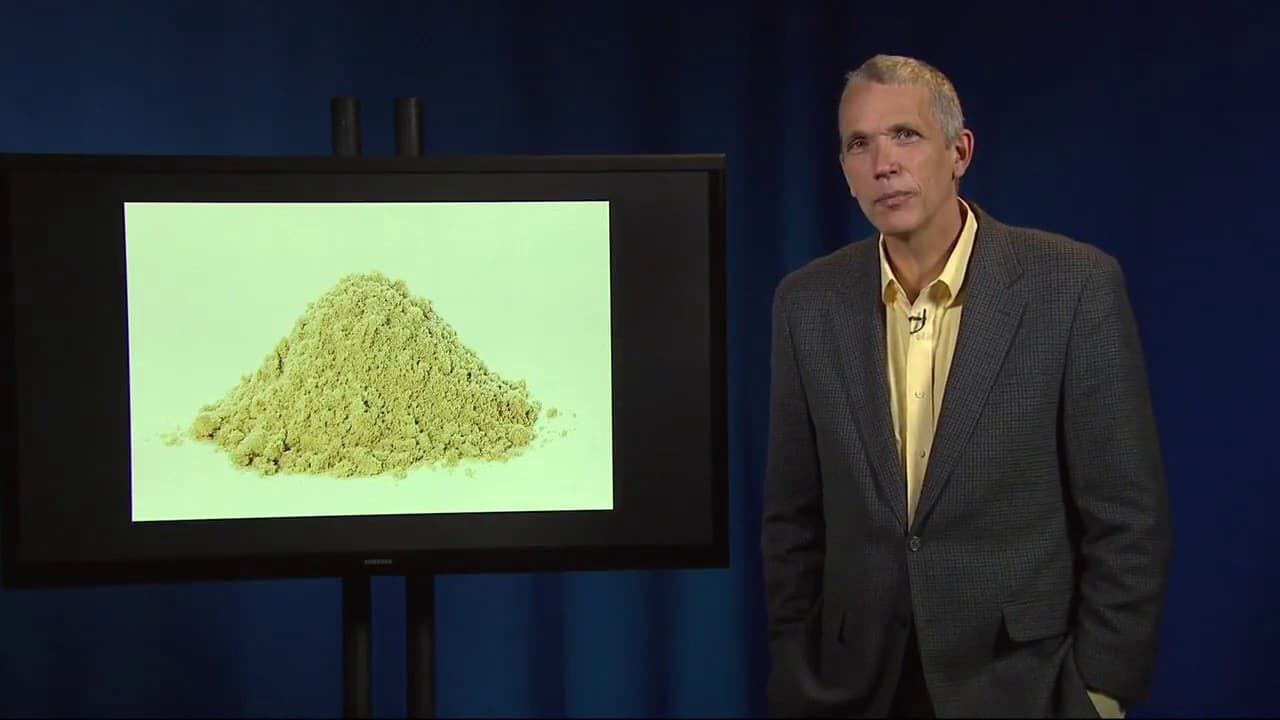
today's case McMichael the price deals with what's called a requirements contract Handley tea price sold sand through his business the sooner sand company he and McMichael entered into a contract in which McMichael agreed to supply price with all the sand that price could resell for the next ten years at a price of sixty percent of the market price... Read More
Key Insights
- 🥳 Requirement contracts are valid and enforceable as long as both parties have obligations.
- ❓ The purchaser in a requirement contract must make reasonable efforts to generate sales.
- 😚 The Uniform Commercial Code requires parties to stick relatively close to the estimates they gave when negotiating requirement or output contracts.
- 🥺 Violating a requirement or output contract by buying or selling from the wrong person can lead to a breach of contract.
- 🥳 Mutuality in contracts means both parties have obligations, and the test for mutuality is whether there is a course of action that could result in a breach of contract at the moment of contracting.
- ❓ Price estimates in requirement contracts are presumptively reasonable, and sellers cannot refuse to sell more than half the estimated amount without breaching the contract.
Install to Summarize YouTube Videos and Get Transcripts
Explore YouTube Video Summarizer or Get YouTube Transcript Extractor
Questions & Answers
Q: What was the main issue in McMichael v. Price?
The main issue was whether requirement contracts are valid if the purchaser can avoid their obligation by going out of business.
Q: What obligation did Price have in the contract?
Price had to buy all the sand it needed exclusively from McMichael and not from any other seller, which satisfied the consideration requirement.
Q: What obligation did McMichael have in the contract?
McMichael had to sell all the sand required by Price, fulfilling their side of the requirement contract.
Q: What is the difference between a requirement contract and an output contract?
A requirement contract involves a seller supplying all the purchaser's requirements, while an output contract occurs when a buyer agrees to purchase all the supplier's products.
Summary & Key Takeaways
-
In McMichael v. Price, Price (also known as Sooner Sand) sued McMichael for refusing to supply sand as per their requirement contract.
-
The court awarded Price $5,000, stating that the contract was valid because both parties had obligations: Price had to buy exclusively from McMichael, and McMichael had to sell all the sand Price needed.
-
The Uniform Commercial Code requires purchasers in requirement contracts to make reasonable efforts to generate sales.
Read in Other Languages (beta)
Share This Summary 📚
Summarize YouTube Videos and Get Video Transcripts with 1-Click
Try YouTube Summary with ChatGPT & Claude or YouTube Transcript Generator
Explore More Summaries from YaleCourses 📚





Summarize YouTube Videos and Get Video Transcripts with 1-Click
Try YouTube Summary with ChatGPT & Claude or YouTube Transcript Generator