How to Avoid Common Supplement Mistakes
TL;DR
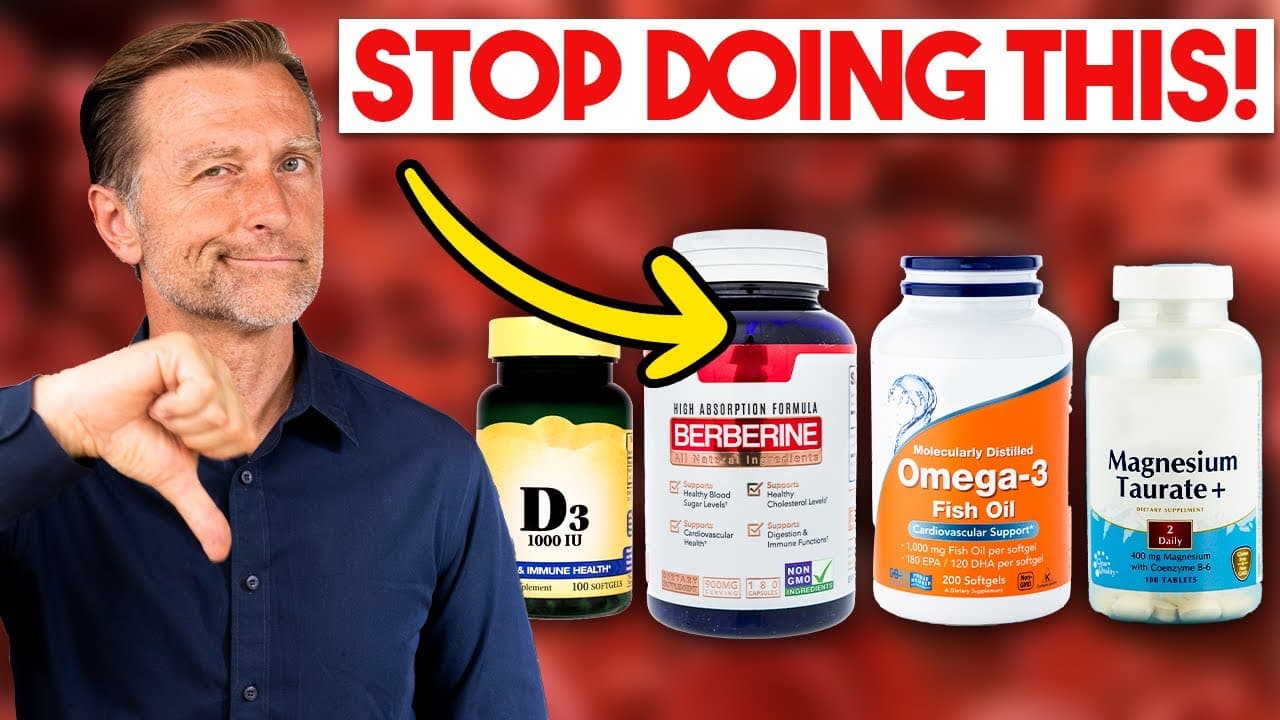
To maximize the benefits of supplements, avoid common mistakes such as improper timing, taking too many at once, and relying on cheap options. Ensure your diet supports supplement efficacy, and be cautious of interactions with medications. Proper dosage and understanding vitamin interactions are crucial for effectiveness.
Transcript
there are 11 common mistakes that a lot of people make when they take supplements now the first thing I want to mention is that I hear this a lot we don't really need to take supplements because we can get all we need from our diet and it's almost impossible to get vitamin D from food so it's not actually very easy to get all of our nutrients even ... Read More
Key Insights
- Timing is crucial for supplement effectiveness; morning intake often provides the most energy.
- Avoid taking too many supplements at once to prevent swallowing issues.
- Introduce supplements individually to identify what works for your health issues.
- Supplements cannot compensate for a poor diet; adequate protein and reduced carbs are essential.
- Cheap vitamins often contain low-quality ingredients and fillers, which may be ineffective or harmful.
- Some supplements interact negatively with medications, requiring professional guidance.
- Certain vitamins, like D3, need complementary nutrients, such as magnesium, for full efficacy.
- Higher than recommended doses may be necessary for therapeutic effects, especially for vitamins like D and B1.
Install to Summarize YouTube Videos and Get Transcripts
Explore YouTube Video Summarizer or Get YouTube Transcript Extractor
Questions & Answers
Q: How should I time my supplement intake?
Timing your supplement intake can significantly impact their effectiveness. Generally, taking supplements in the morning can provide the energy needed throughout the day. However, the timing for specific supplements like Vitamin D may vary; some individuals find benefits from taking it in the morning, while others prefer it before bed to aid sleep. Avoid taking electrolytes before bed and calcium supplements before meals to prevent digestive interference.
Q: Why should I avoid taking too many supplements at once?
Taking too many supplements at once can lead to swallowing difficulties and potential blockages, as experienced by some individuals. It is advisable to spread out supplement intake throughout the day, using water to aid swallowing. Introducing supplements gradually allows you to monitor their effects and identify which specific supplements benefit your health, avoiding unnecessary complications.
Q: Can supplements replace a poor diet?
Supplements cannot replace a poor diet; they are most effective when used to complement a balanced diet rich in essential nutrients. Adequate protein intake and reduced carbohydrate consumption are crucial for maintaining energy and overall health. Supplements may help fill nutritional gaps, but they cannot compensate for a diet lacking in fundamental nutrients, which can lead to persistent health issues despite supplementation.
Q: What should I know about cheap vitamins?
Cheap vitamins often contain low-quality ingredients such as calcium carbonate, which is also used in cement, and synthetic versions of vitamins that may not be well-absorbed by the body. These products can include fillers and dyes, potentially causing adverse effects. Investing in high-quality, natural vitamins is recommended to ensure safety and efficacy, as they are more likely to provide the intended health benefits without harmful side effects.
Q: How do supplements interact with medications?
Supplements can interact with medications, sometimes enhancing or diminishing their effects, which can lead to health complications. For example, taking supplements that lower blood pressure alongside medication for the same purpose can result in excessively low blood pressure. Consulting with healthcare providers is essential to manage these interactions safely, allowing for adjustments in medication or supplement dosages to achieve optimal health outcomes.
Q: Why is it important to understand vitamin interactions?
Understanding vitamin interactions is crucial because some vitamins require complementary nutrients to function effectively. For instance, Vitamin D needs magnesium to be properly utilized by the body. Similarly, prolonged high doses of zinc can lead to a copper deficiency. Being aware of these interactions helps ensure that supplements work synergistically rather than causing imbalances, promoting overall health and preventing nutrient deficiencies.
Q: Do I need higher doses of supplements than the RDA?
In many cases, higher doses of supplements than the Recommended Dietary Allowance (RDA) are necessary to achieve therapeutic effects. The RDA is often based on preventing deficiencies rather than optimizing health. For example, higher doses of Vitamin D and B1 may be required to address genetic absorption issues or to create a therapeutic benefit beyond mere deficiency prevention. Consulting with healthcare professionals can help determine appropriate dosages.
Q: What supplements should vegans consider taking?
Vegans should consider taking supplements to compensate for nutrients typically obtained from animal sources. Essential supplements include Vitamin B12, Vitamin D3, omega-3 fatty acids (from algae if not fish), iron, zinc, iodine, and calcium. These nutrients are vital for maintaining health and preventing deficiencies that can arise from a plant-based diet, ensuring that vegans meet their nutritional needs effectively.
Summary & Key Takeaways
-
Taking supplements at the right time, such as in the morning, can enhance energy levels. Avoid taking electrolytes before bed and calcium before meals. Vitamin D intake timing can vary based on individual needs.
-
Introducing supplements one at a time helps determine their effectiveness for specific health issues. A poor diet cannot be offset by supplements alone; adequate protein and minimized carbs are vital.
-
Cheap supplements often contain low-quality ingredients and synthetic vitamins, which may pose health risks. Understanding vitamin interactions and proper dosages is crucial for achieving desired health benefits.
Read in Other Languages (beta)
Share This Summary 📚
Summarize YouTube Videos and Get Video Transcripts with 1-Click
Try YouTube Summary with ChatGPT & Claude or YouTube Transcript Generator
Explore More Summaries from Dr. Eric Berg DC 📚



Summarize YouTube Videos and Get Video Transcripts with 1-Click
Try YouTube Summary with ChatGPT & Claude or YouTube Transcript Generator