How Should Women Time Food for Better Health?
TL;DR
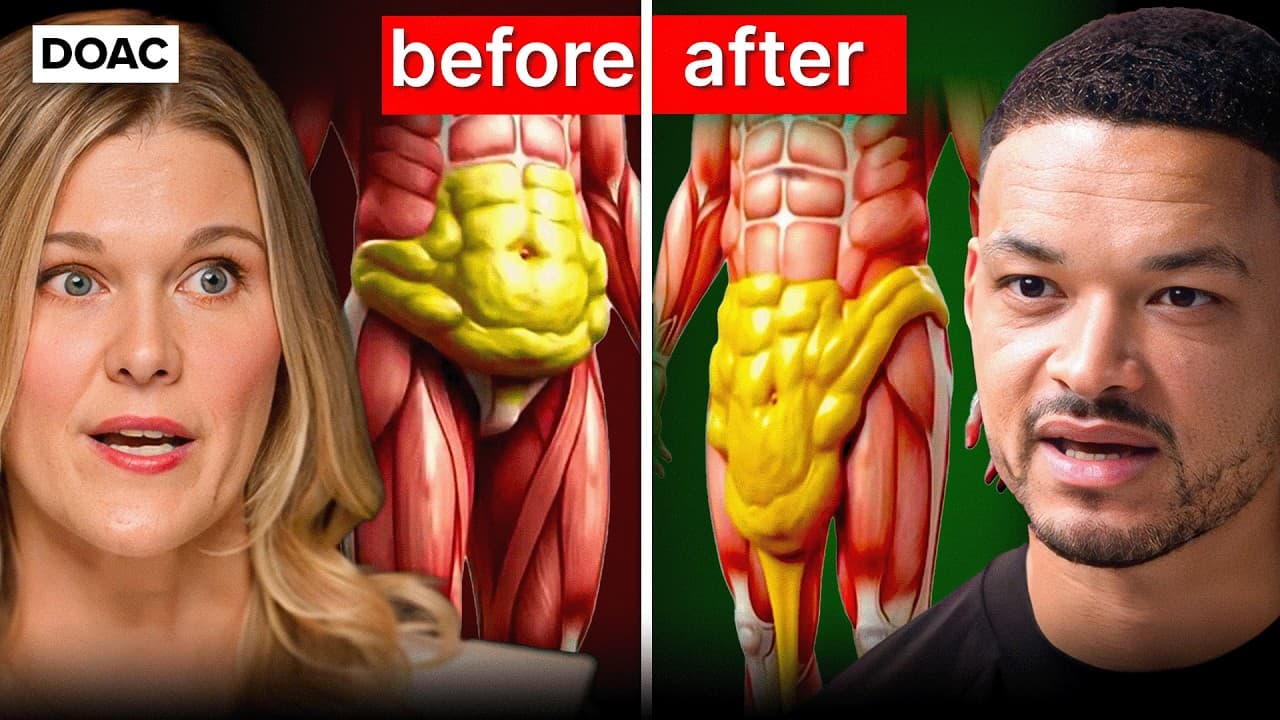
Women should prioritize adequate protein, fiber, calories, and daytime eating instead of prolonged fasting. Eating soon after waking, fueling at regular intervals, stopping after dinner, and leaving two to three hours before bed can support hormones, muscle, sleep, and recovery, while longer fasts may increase physiological stress, inflammation, visceral fat storage, and lean-mass breakdown.
Transcript
What about fasting? I know so many people that are doing water fasts and juice fasts and it's Have they told you why? I've had an evolution with the way I think about fasting. Um when I first kind of, you know, was stepping out of the box and what's happening in menopause and why was my body composition, I didn't know what to call it back then, but... Read More
Key Insights
- Adequate nutrition is more important than maintaining a fasting schedule. Fasting can make it difficult to consume enough protein, fiber, calories, and other nutritional requirements, so any short-term weight loss benefit should not come at the expense of basic nutrition or long-term body composition.
- Time-restricted eating is daytime eating aligned with the body’s circadian rhythm. The suggested pattern begins with food within half an hour of waking, continues through regular daytime intervals, ends after dinner, and leaves approximately two to three hours for digestion before bedtime.
- Protein and fiber are the priorities at every eating interval. Examples include tempeh, tofu, or salmon paired with salad, fruit, or vegetables, while meals around training can be divided into protein and carbohydrates before exercise followed by additional protein afterward.
- A roughly 12-hour period without food can allow the body to use available glucose and lower insulin without creating the same stress attributed to prolonged fasting. The approach is framed as an ordinary overnight break rather than an attempt to force the body into starvation.
- Prolonged fasting can affect women differently from men. The doctors state that longer fasts in women may promote visceral fat storage, inflammation, hypothalamic disruption, and a low-estrogen state, while some men may experience positive changes in body composition or focus.
- Delaying food until noon can shift appetite hormones and sleep timing. The doctors compare this pattern to social jet lag because shifting daytime hormone responses may also shift women’s usual melatonin peak, making it harder to become sleepy and obtain restorative sleep.
- Exercise can stimulate autophagy without severe fasting. Autophagy is described as the recycling of damaged or dysfunctional cellular components, while exercise also produces adaptive stress and epigenetic changes associated with the telomere-related and stress-resilience benefits often attributed to fasting.
- Fasted exercise can increase muscle breakdown because the body may use amino acids to meet the activity’s energy demands. Women already use more amino acids than men, according to the discussion, so training without food may increase the amount of lean mass broken down for fuel.
Install to Summarize YouTube Videos and Get Transcripts
Explore YouTube Video Summarizer or Get YouTube Transcript Extractor
Questions & Answers
Q: How should women time meals for better health?
Women should eat during the daytime, beginning with food within about half an hour of waking and continuing at regular intervals until dinner. Each eating interval should emphasize protein and fiber. After dinner, they should stop eating and leave approximately two to three hours before bed, allowing digestion to settle and supporting the parasympathetic state needed for sleep and repair.
Q: What is the difference between intermittent fasting and time-restricted eating?
Intermittent fasting includes longer restriction patterns such as water fasts, multi-day fasts, or schedules involving several fasting days. Time-restricted eating occurs within a normal 24-hour cycle and aligns food intake with daylight and activity. The suggested approach is roughly 12 hours of daytime eating followed by 12 hours without food, mainly overnight after dinner.
Q: Why can prolonged fasting be harmful for women?
Prolonged fasting can signal starvation and create excessive physiological stress in women. According to the doctors, this stress may increase visceral fat storage, promote inflammation, disrupt the hypothalamus, and suppress the hormone system, producing a problematic low-estrogen state. It can also make adequate calorie and protein intake difficult, undermining muscle maintenance, body composition, and broader health goals.
Q: What should every meal or snack contain?
Every eating interval should focus on protein and fiber so daily nutritional targets are easier to reach. Suggested combinations include tempeh, tofu, or salmon with salad, fruit, or vegetables. Around exercise, breakfast can be divided so that protein and carbohydrates are consumed before training, followed by the remaining meal or additional protein after the activity.
Q: Why should people stop eating before bedtime?
Stopping food intake after dinner and leaving two to three hours before bed reduces the need to digest food while sleeping. This allows the body to enter the parasympathetic response associated with sleep and repair. Avoiding late-night eating also keeps food timing aligned with daylight, hormones, and the body’s broader circadian rhythm rather than shifting sleep signals later.
Q: Does fasting improve autophagy more effectively than exercise?
The discussion does not present severe fasting as necessary for autophagy. Autophagy, described as the body’s process for recycling damaged or dysfunctional cellular components, is also activated by exercise. Exercise additionally creates adaptive stress and epigenetic changes that improve markers associated with telomere length and stress resilience, providing benefits that people often attempt to obtain through multi-day fasting.
Q: Why is fasted exercise discouraged?
Fasted exercise is discouraged because active muscle needs energy, and insufficient incoming fuel may cause the body to break down muscle and use amino acids. Although blood glucose and fat can contribute, the body may conserve glucose for the brain and increase amino-acid use. The doctors emphasize that women already use more amino acids than men, raising concern about lean-mass loss.
Q: How can late fasting affect sleep and hormones?
Holding a fast until noon can phase-shift hormone and appetite responses, creating an effect compared with social jet lag. The doctors say women’s melatonin commonly peaks around 9:00, but shifted eating patterns may move that response toward 11:00 or 12:00. This can delay sleepiness, reduce sleep quality, and contribute to hormone and metabolic dysfunction.
Summary & Key Takeaways
-
The doctors distinguish prolonged or intermittent fasting from time-restricted eating aligned with the daily light-dark cycle. Their preferred pattern is to eat soon after waking, consume food regularly during the day, finish with dinner, and leave roughly two to three hours without food before bedtime.
-
Adequate nutrition takes priority over fasting. Restricting the eating window can make protein, fiber, calorie, and general nutrition targets difficult to reach. Every eating interval should emphasize protein and fiber, while meals surrounding training should also provide the fuel needed to support exercise, muscle, hormones, and recovery.
-
Long fasts and fasted exercise are presented as potentially stressful, especially for women. The doctors say these practices may encourage visceral fat storage, inflammation, hormone disruption, poor sleep, and muscle breakdown. Exercise offers the adaptive stress, autophagy, and telomere-related benefits that people often seek through severe fasting.
Read in Other Languages (beta)
Share This Summary 📚
Summarize YouTube Videos and Get Video Transcripts with 1-Click
Try YouTube Summary with ChatGPT & Claude or YouTube Transcript Generator
Explore More Summaries from The Diary Of A CEO Clips 📚






Summarize YouTube Videos and Get Video Transcripts with 1-Click
Try YouTube Summary with ChatGPT & Claude or YouTube Transcript Generator