What Unique Marine Creatures Can You Find on Doe Island?
TL;DR
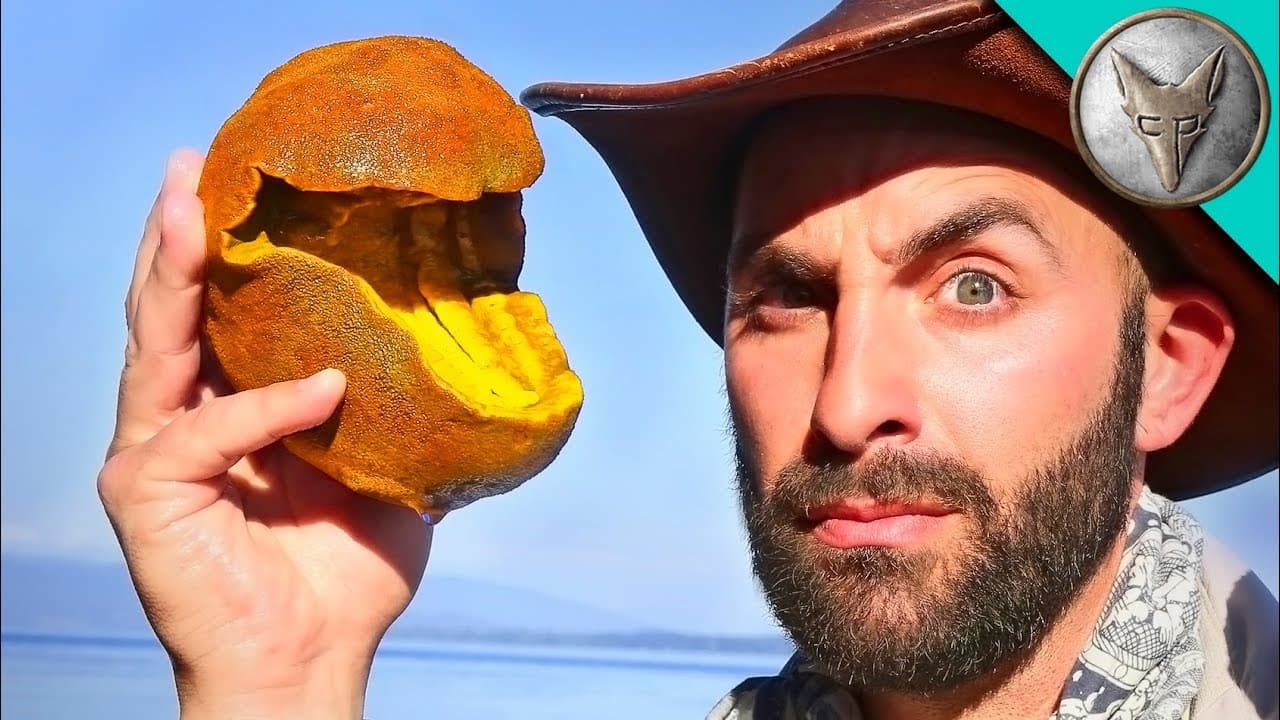
On Doe Island, you can encounter fascinating marine creatures like the gumboot chiton and the giant purple sea star during low tide. The gumboot chiton, a type of mollusk, can grow up to 14 inches long, while the purple sea star is known for its size and unique feeding method. Both species highlight the diverse marine life found in the Salish Sea.
Transcript
(tense music) - Oh my gosh. Guys, look at that. - [Mark] What's that? - That's a gumboot. (dramatic music) The cold, blue water of the Salish Sea is unlike anything I have ever seen. It's an intricate maze of waterways scattered with various island chains. And beneath the surface, a kingdom of animals that are seldom encountered. I'm gonna touch it... Read More
Key Insights
- 👪 The Salish Sea is home to various marine animals, some of which are rarely encountered.
- 😘 The shoreline of Doe Island offers opportunities to find intertidal marine creatures during low tide.
- 🤩 The gumboot chiton and purple sea star are intriguing and unique species found on Doe Island.
- 🍵 Observing and handling these animals can provide insight into their anatomy, behavior, and ecological roles.
- 🫡 It is important to respect and admire these creatures from a distance to minimize disturbance to their natural behaviors and habitats.
- 🤩 The gumboot chiton's tough skin and the sea star's feeding method demonstrate their adaptations for survival.
- 🥺 Tidepool adventures can lead to exciting discoveries and provide valuable information for marine biologists.
Install to Summarize YouTube Videos and Get Transcripts
Explore YouTube Video Summarizer or Get YouTube Transcript Extractor
Questions & Answers
Q: What is the gumboot chiton?
The gumboot chiton is a type of mollusk related to snails and slugs. It has a tough, rugged skin, and it is the largest chiton species in the world.
Q: How do sea stars feed on their prey?
Sea stars use their tube feet and mouth to catch and consume mollusks and clams. They wrap their arms around the prey, peel open their shells, and release digestive enzymes to break down the prey's body.
Q: Can gumboot chitons be eaten by humans?
In a worst-case scenario, gumboot chitons are edible, but the taste is likely unpleasant. It is not recommended to eat them unless necessary.
Q: How do gumboot chitons and sea stars protect themselves?
Gumboot chitons have a tough skin and can curl up slightly for protection. Sea stars have tube feet for movement and gills for breathing, as well as a venomous bite.
Summary & Key Takeaways
-
The team ventures to Doe Island, where they explore the shoreline and find various marine animals at low tide.
-
They come across a sea lemon, a rock prickleback, and smaller sea creatures like snails and chitons.
-
Eventually, they find a giant purple sea star and a gumboot chiton, two rarely seen species.
Read in Other Languages (beta)
Share This Summary 📚
Summarize YouTube Videos and Get Video Transcripts with 1-Click
Try YouTube Summary with ChatGPT & Claude or YouTube Transcript Generator
Explore More Summaries from Brave Wilderness 📚

Summarize YouTube Videos and Get Video Transcripts with 1-Click
Try YouTube Summary with ChatGPT & Claude or YouTube Transcript Generator