How OpenAI Allocates Compute and Sets Research Goals
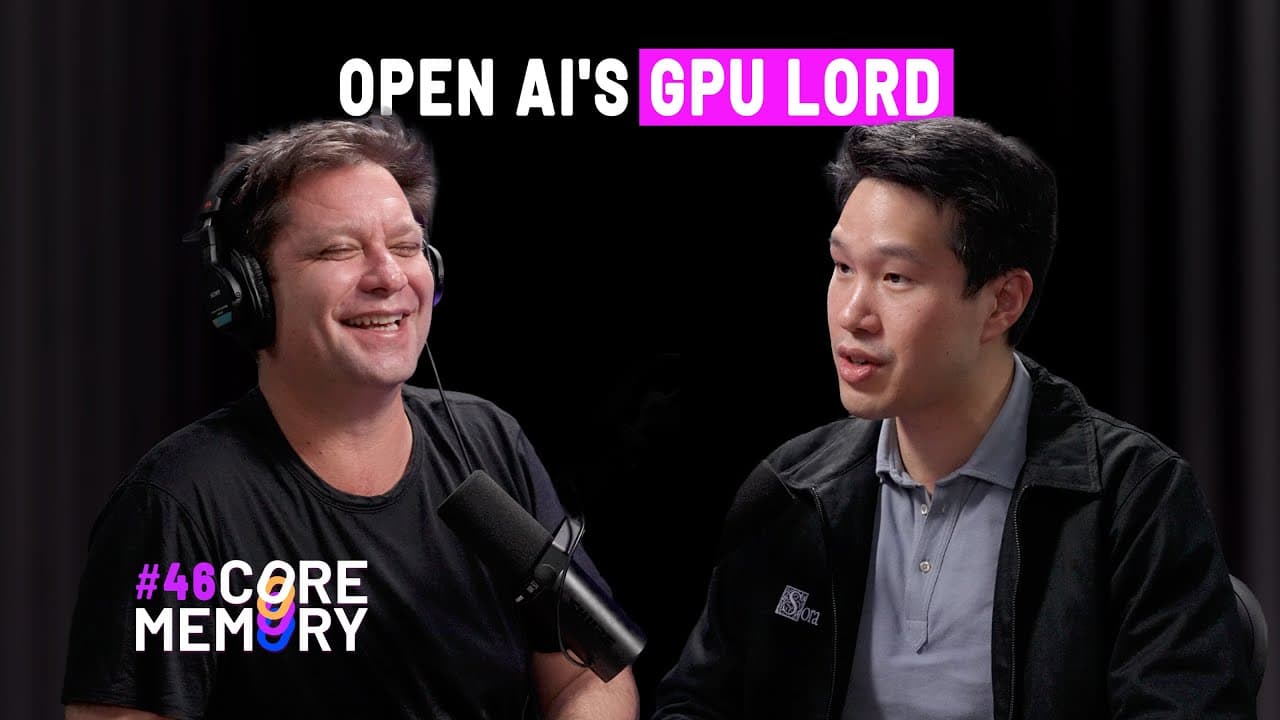
TL;DR
OpenAI prioritizes core exploratory research and uses a structured review to allocate computing resources. The leadership emphasizes protecting top talent, aligning projects with a clear roadmap, and avoiding simple dollar-for-dollar counter offers to competitors. This approach aims to stay ahead while pursuing the next paradigm in AI.
Transcript
Speaker 1: On the recruitment wars, I mean, there's got a lot of attention clearly, and it looked like Meta was quite aggressive. What exactly does this tit for tat look like? What stage are we Speaker 2: At? Yeah, I mean, there is a pool of talent and everyone kind of knows who they are, and I think many companies have realized that one ... Read More
Key Insights
- OpenAI prioritizes core exploratory research over reproducing other labs, investing compute where it drives new paradigms.
- The key to talent retention is a strong research program and conviction in long-term potential rather than matching every offer from rivals.
- OpenAI ranks about 300 internal projects and uses a formal process to allocate compute to the most promising ones.
- Leadership communicates explicit priorities and acceptable tradeoffs to ensure resources align with the core roadmap.
- The company believes more compute goes into exploration than into training a single artifact, emphasizing long horizon breakthroughs.
- The competitive landscape is acknowledged, but the strategy is to stay ahead by developing unique research directions rather than reactive updates.
- Talent pipeline management includes selective offers and maintaining confidence in the research program despite external recruitment pressure.
- The process treats GPU and compute allocation as a strategic decision tied to project impact and roadmap clarity.
Install to Summarize YouTube Videos and Get Transcripts
Explore YouTube Video Summarizer or Get YouTube Transcript Extractor
Questions & Answers
Q: What is OpenAI’s approach to allocating compute for research projects?
OpenAI uses a structured process to rank around 300 internal projects every one to two months, focusing on the core roadmap and long term breakthroughs rather than simply matching competitors or chasing benchmarks. Compute is allocated to projects deemed most capable of advancing the next paradigm, with priority given to exploratory research.
Q: How does OpenAI view recruiting pressure from other tech firms?
OpenAI treats recruiting pressure as a reality of the tech landscape but emphasizes protecting top talent through a compelling research program and conviction in long term upside. The leadership does not counter dollar for dollar with rivals; instead, they value the quality of research and alignment with the roadmap to keep key people.
Q: What does Mark Chen say about soup stories in recruiting?
The discussion uses soup as a metaphor for creative, memorable recruiting tactics adopted by leadership, illustrating the lengths to which executives will go to attract talent. It highlights that unconventional recruitment stories are part of a broader, human approach to building and maintaining a strong research team.
Q: How does OpenAI distinguish itself from other labs in terms of research focus?
OpenAI differentiates itself by maintaining core exploratory research as a central mission, not simply trying to replicate results from others or chase benchmarks. The emphasis is on finding the next paradigm and investing sufficient compute to explore that space, rather than following the crowd or engaging in short term competitive races.
Q: What is the role of the compute allocation exercise?
The compute allocation exercise helps chart where OpenAI will invest resources by evaluating each project’s potential impact on the core research roadmap. It involves ranking projects and ensuring that the most promising explorations receive the necessary hardware and support to move toward meaningful breakthroughs.
Q: How does leadership communicate priorities within the research organization?
Leadership communicates priorities both explicitly and through the allocation of compute, signaling which projects are essential and which are lower priority. Clear communication helps align teams, reduces ambiguity, and ensures that resources support the most impactful research directions.
Q: Why does OpenAI avoid chasing benchmarks like rival labs?
OpenAI avoids chasing benchmarks because its strategy prioritizes discovering the next paradigm over incremental improvements or replicating others. The focus is on long term scientific advances, not immediate competitive wins, which requires a steady, evaluated approach to resource allocation and risk management.
Q: What is the importance of a balanced talent pipeline at OpenAI?
A balanced talent pipeline is crucial because it ensures a steady flow of researchers who believe in OpenAI’s long term potential. By prioritizing a compelling research program and fair non monetary incentives, OpenAI aims to retain top talent and maintain confidence in achieving future breakthroughs, even in a competitive market.
Summary & Key Takeaways
-
OpenAI focuses on core roadmap alignment and computes allocation for exploring new paradigms rather than merely copying benchmarks. This involves a quarterly to bi-monthly review of around 300 projects to rank priorities and decide where compute should go.
-
The organization emphasizes talent retention through meaningful incentives and a belief in the upside of long-term research, rather than chasing immediate market offers or headlines.
-
The discussion highlights how leadership communicates priorities clearly and makes tough funding decisions to keep the most impactful research moving forward, while remaining competitive in a rapidly evolving field.
Read in Other Languages (beta)
Share This Summary 📚
Summarize YouTube Videos and Get Video Transcripts with 1-Click
Try YouTube Summary with ChatGPT & Claude or YouTube Transcript Generator
Explore More Summaries from Core Memory Podcast 📚



Summarize YouTube Videos and Get Video Transcripts with 1-Click
Try YouTube Summary with ChatGPT & Claude or YouTube Transcript Generator