[Eng Sub] Fingerprint Sensor (FPS): Capacitive, Optical, Ultrasonic, Apple iPhone, Samsung Galaxy
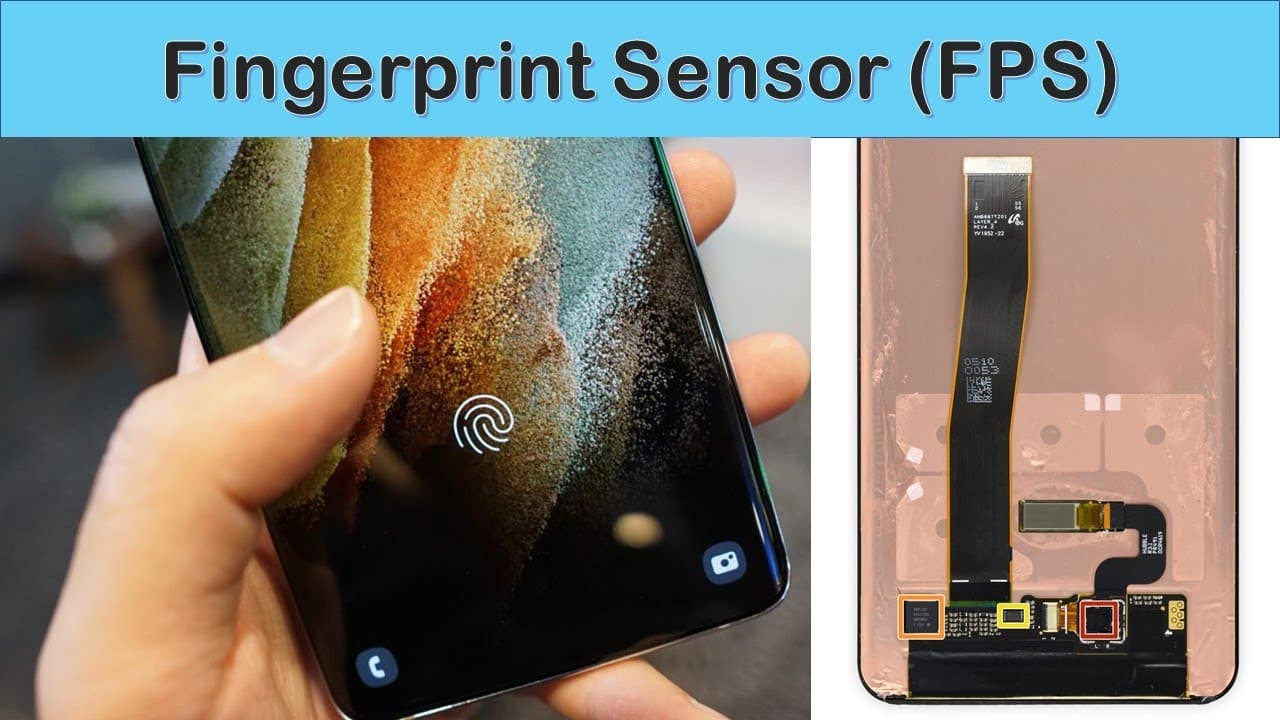
TL;DR
Explains different fingerprint sensor technologies used in smartphones.
Transcript
Hello everyone, welcome to Semicon Talk. Before we start please hit thumbs up if you like my video. Let’s get it started. How do you unlock your smartphone? Some people use face recognition but fingerprint sensor is the most popular way. So today’s topic is Fingerprint Sensor. Fingerprint sensor identifies your fingerprint. It is used for tablet... Read More
Key Insights
- Fingerprint sensors are commonly used in smartphones, tablets, door locks, and cars, offering a secure method of authentication.
- The three main types of fingerprint sensor technologies are capacitive, optical, and ultrasonic, each with distinct operational principles.
- Capacitive fingerprint sensors are the most popular in smartphones, using capacitance measurements to create a fingerprint image.
- Optical fingerprint sensors use light reflection to differentiate between fingerprint ridges and valleys, forming a fingerprint image.
- Ultrasonic fingerprint sensors employ ultrasonic waves to detect fingerprint details, providing better performance even with wet or contaminated fingers.
- Capacitive and optical sensors may struggle with wet fingers, whereas ultrasonic sensors maintain accuracy in such conditions.
- Ultrasonic fingerprint sensors are more expensive but offer superior performance and are used in devices like the Samsung Galaxy S20 and S21.
- The fingerprint sensor technology varies in placement, with capacitive sensors often at the front or back and optical and ultrasonic sensors under the display.
Install to Summarize YouTube Videos and Get Transcripts
Explore YouTube Video Summarizer or Get YouTube Transcript Extractor
Questions & Answers
Q: What are the main types of fingerprint sensor technologies?
The main types of fingerprint sensor technologies are capacitive, optical, and ultrasonic. Each technology has a unique method of capturing fingerprint details, with capacitive sensors measuring capacitance, optical sensors using light reflection, and ultrasonic sensors employing ultrasonic waves for image formation.
Q: How does a capacitive fingerprint sensor work?
A capacitive fingerprint sensor works by measuring the capacitance between the sensor die and the ridges and valleys of a fingerprint. These capacitance values vary with the distance and create a map that forms the fingerprint image. This technology is commonly used in smartphones like the Apple iPhone.
Q: What are the advantages of ultrasonic fingerprint sensors?
Ultrasonic fingerprint sensors offer superior performance, especially in challenging conditions such as wet or contaminated fingers. They use ultrasonic waves to capture fingerprint details accurately, maintaining reliability where other technologies might fail. However, they are more expensive compared to capacitive and optical sensors.
Q: Where are optical fingerprint sensors typically located in smartphones?
Optical fingerprint sensors are typically located underneath the display panel of smartphones. When a finger touches the display, the light from the panel illuminates the finger, and the sensor detects the reflected light to form a fingerprint image. This placement is common in devices like the Huawei P30.
Q: What challenges do capacitive and optical fingerprint sensors face?
Capacitive and optical fingerprint sensors can face challenges in accurately recognizing fingerprints when the finger is wet or contaminated. These conditions can lead to recognition errors, as capacitive sensors rely on capacitance measurements and optical sensors depend on light reflection, both affected by moisture or dirt.
Q: How do optical fingerprint sensors create a fingerprint image?
Optical fingerprint sensors create a fingerprint image by using light that is reflected by the valleys and scattered by the ridges of a fingerprint. The sensor detects the reflected light, which appears bright from the valleys and dark from the ridges, to form a detailed fingerprint image.
Q: What improvements were made in the Samsung Galaxy S21's ultrasonic fingerprint sensor?
The Samsung Galaxy S21's ultrasonic fingerprint sensor has been improved with a larger sensor size compared to the Galaxy S20. This enhancement leads to better performance and accuracy in fingerprint recognition, providing a more reliable user experience even under challenging conditions.
Q: What companies manufacture optical and ultrasonic fingerprint sensors?
Goodix is a company known for manufacturing optical fingerprint sensors, while Qualcomm produces ultrasonic fingerprint sensors. These companies provide the technology used in various high-end smartphones, ensuring accurate and efficient fingerprint recognition capabilities in their devices.
Summary & Key Takeaways
-
Fingerprint sensors are widely used in various devices, including smartphones, tablets, and even cars, for secure authentication. The three main types of fingerprint sensors are capacitive, optical, and ultrasonic, each with unique operational methods and applications.
-
Capacitive fingerprint sensors measure capacitance to form a fingerprint image, making them popular in smartphones. Optical sensors use light reflection, while ultrasonic sensors employ ultrasonic waves, with the latter offering better performance in challenging conditions.
-
Ultrasonic sensors are more expensive but provide superior accuracy even with wet or contaminated fingers. These sensors are typically placed under the display, as seen in high-end smartphones like the Samsung Galaxy S20 and S21.
Read in Other Languages (beta)
Share This Summary 📚
Summarize YouTube Videos and Get Video Transcripts with 1-Click
Try YouTube Summary with ChatGPT & Claude or YouTube Transcript Generator
Explore More Summaries from Semicon Talk 📚


![[Eng Sub] Cu Wire Bonding thumbnail](/_next/image?url=https%3A%2F%2Fi.ytimg.com%2Fvi%2F8XaobXIQueM%2Fhqdefault.jpg&w=750&q=75)
![[Eng Sub] Substrate - Flipchip Substrate Manufacturing Process, Core, Build-up, ABF thumbnail](/_next/image?url=https%3A%2F%2Fi.ytimg.com%2Fvi%2FHiJHMBPcOyg%2Fhqdefault.jpg&w=750&q=75)
![[Eng Sub] Wafer Level Chip Scale Package (WLCSP) thumbnail](/_next/image?url=https%3A%2F%2Fi.ytimg.com%2Fvi%2FF0WLyZZDyeo%2Fhqdefault.jpg&w=750&q=75)
![[Eng Sub] HBM Memory Module: Samsung, SK Hynix thumbnail](/_next/image?url=https%3A%2F%2Fi.ytimg.com%2Fvi%2FKyKwiziPmD4%2Fhqdefault.jpg&w=750&q=75)
Summarize YouTube Videos and Get Video Transcripts with 1-Click
Try YouTube Summary with ChatGPT & Claude or YouTube Transcript Generator