How to Build a $100K Digital Marketing Career
TL;DR
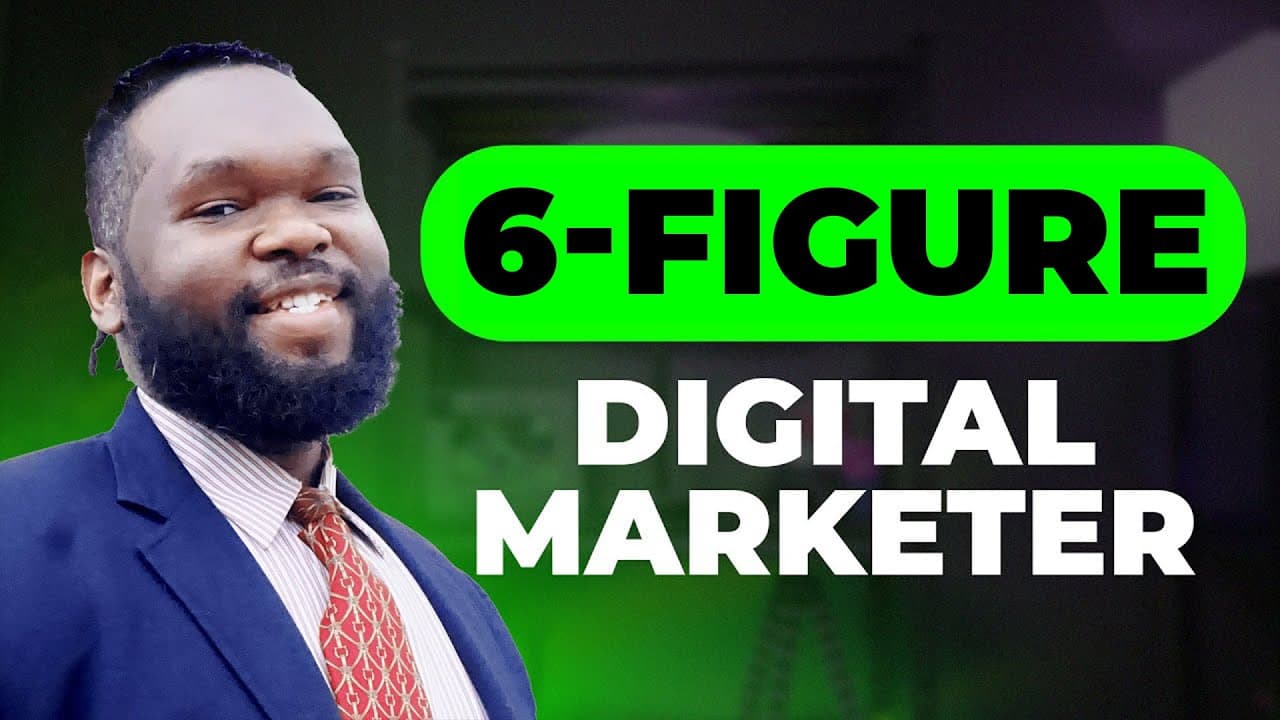
Treat digital marketing training like a full-time job: study the material repeatedly, practice the skills, and pursue internships that create credible experience. Nick moved from a $10-per-hour retail role toward a $100,000 annual career by remaining open-minded, following an intensive study routine, accepting strategic career steps, and using each position to build skills, responsibility, and professional relationships.
Transcript
hey welcome back to the channel it's Shane here today I have a very special guest this is one of the original students of the digital marketing program that I talk about on this channel this you know it's gotten thousands and thousands of people uh success over the years uh this is one of the OG original students Nick and um he actually is a coach ... Read More
Key Insights
- Digital marketing is presented as a legitimate career rather than the recruitment scheme Nick initially suspected. Researching the field, understanding why businesses need it, and reviewing other students’ experiences helped him replace skepticism with informed interest before purchasing the program.
- Nick’s three-pass study method separated orientation, retention, and execution. He first watched every lesson without taking notes, repeated the program while documenting the material, and completed it a third time while taking action, which increased his familiarity and confidence with previously intimidating tasks.
- Consistent practice was central to Nick’s transition from retail work. After leaving Metro PCS in March, he used savings from his tax refund and devoted eight to ten hours each day to training, matching the time commitment he had previously given his job.
- Retail experience provided transferable marketing skills despite its drawbacks. Working directly with customers taught Nick about interpersonal communication, product perceptions, and purchasing behavior, which later gave him useful insight when developing his career as a digital marketer.
- Nick’s first internship focused on remote SEO work for Studio in the Box. Although he ultimately wanted to pursue paid search, he accepted an organic-marketing opportunity to gain practical experience while continuing to seek internships aligned more closely with his preferred specialty.
- Initiative helped Nick make an immediate impression during a Manhattan internship interview. After describing his training and skills, he was asked whether he could start that day, accepted the offer, and worked immediately instead of returning home after the interview.
- Strategic career decisions can include accepting an apparent backward step. The description frames Nick’s progression around calculated risks, responsibility for a million-dollar account, and choosing workplace culture over immediate compensation as parts of his movement toward higher earnings.
- A $100,000 annual digital marketing career developed through progressive skill building rather than a single shortcut. Nick’s story connects repeated study, sustained daily effort, internships, mentorship, calculated career moves, account responsibility, and coaching others as stages in his professional advancement.
Install to Summarize YouTube Videos and Get Transcripts
Explore YouTube Video Summarizer or Get YouTube Transcript Extractor
Questions & Answers
Q: How can someone start a digital marketing career without finishing college?
Nick’s path began with researching what digital marketing involved, examining testimonials, and completing a structured training program rather than immediately returning to college. He studied the program repeatedly, practiced for eight to ten hours per day, and pursued internships to establish practical experience. His first opportunity involved remote SEO work, followed by an internship in Manhattan that allowed him to continue developing marketable skills.
Q: What is the three-pass method for studying digital marketing?
The three-pass method begins by watching the entire course without taking notes or completing assignments, simply to understand its structure and available resources. On the second pass, the learner takes detailed notes while reinforcing familiar concepts. On the third pass, the learner performs the required tasks alongside the lessons. Nick said this repetition made the material feel familiar and reduced the intimidation of attempting new work.
Q: How much time should someone devote to learning digital marketing?
Nick treated digital marketing preparation as a full-time responsibility after leaving his retail job. Because he had previously spent about ten hours per day working, he committed eight to ten hours daily to training and practice. His example emphasizes maintaining a work-like schedule, avoiding distractions, and using available time deliberately, rather than assuming that leaving a job automatically produces meaningful career progress.
Q: How did retail experience help Nick become a digital marketer?
Retail work helped Nick develop people skills and observe how customers think about products. Although he disliked being underpaid and felt uncomfortable with certain sales tactics, he learned about interpersonal interactions, purchasing decisions, and product presentation. He later applied those observations in digital marketing, showing that experience from an unsatisfying job can still provide useful abilities for a different professional field.
Q: How did Nick get his first digital marketing internship?
Nick obtained his first internship after months of structured study and practice. The role was a remote SEO internship with Studio in the Box, giving him experience on the organic side of digital marketing. He still wanted to enter paid search, so he continued applying elsewhere. That approach allowed him to build experience through an available opportunity without abandoning his longer-term specialization goal.
Q: Why did Nick study SEO if he wanted to work in paid search?
Nick accepted SEO work because it provided an entry point into digital marketing and a chance to gain practical experience. He distinguished SEO as the organic side of marketing and paid search as the paid side, which remained his preferred direction. Rather than waiting for a perfect role, he used the SEO internship to develop credibility while continuing to search for paid-search opportunities.
Q: How can a candidate make a strong impression in a digital marketing interview?
Nick made a strong impression by clearly discussing what he had been doing, the skills he had developed, and the training he had completed. During an interview for a Manhattan internship, JP asked whether he could start immediately. Nick agreed and worked that same day. His experience suggests that preparation, a clear account of relevant abilities, flexibility, and readiness to act can distinguish an inexperienced candidate.
Q: How did Nick progress from $10 per hour to $100,000 per year?
Nick’s progression combined openness to a new field, repeated study, intensive daily practice, internships, mentorship, and strategic career decisions. He moved beyond a retail position by building experience in SEO and pursuing paid-search work, later taking on greater responsibilities that included managing a million-dollar account. The description also highlights calculated risks, workplace culture, investment in personal development, and coaching as parts of his six-figure career path.
Summary & Key Takeaways
-
Nick left college during his third year after developing diverticulosis and focused on restoring his health. He later worked at Metro PCS, where he enjoyed helping people but disliked the low pay, sales tactics, and imbalance between his effort and rewards. That dissatisfaction prompted him to consider a different career path.
-
After discovering digital marketing through YouTube in 2017, Nick researched the field, watched testimonials, and purchased a training program about a week later. He completed the material three times: first for familiarity, second while taking notes, and third while performing the work, which made unfamiliar skills feel more manageable.
-
Nick left retail in March after saving his tax refund and treated career preparation like employment, studying and practicing for eight to ten hours daily. He gained a remote SEO internship, continued pursuing paid-search opportunities, and later received an immediate start offer at a Manhattan internship after clearly presenting his experience and abilities.
Read in Other Languages (beta)
Share This Summary 📚
Summarize YouTube Videos and Get Video Transcripts with 1-Click
Try YouTube Summary with ChatGPT & Claude or YouTube Transcript Generator
Explore More Summaries from Shane Hummus 📚



Summarize YouTube Videos and Get Video Transcripts with 1-Click
Try YouTube Summary with ChatGPT & Claude or YouTube Transcript Generator