Does Society Reward Hard Work or Effectiveness?
TL;DR
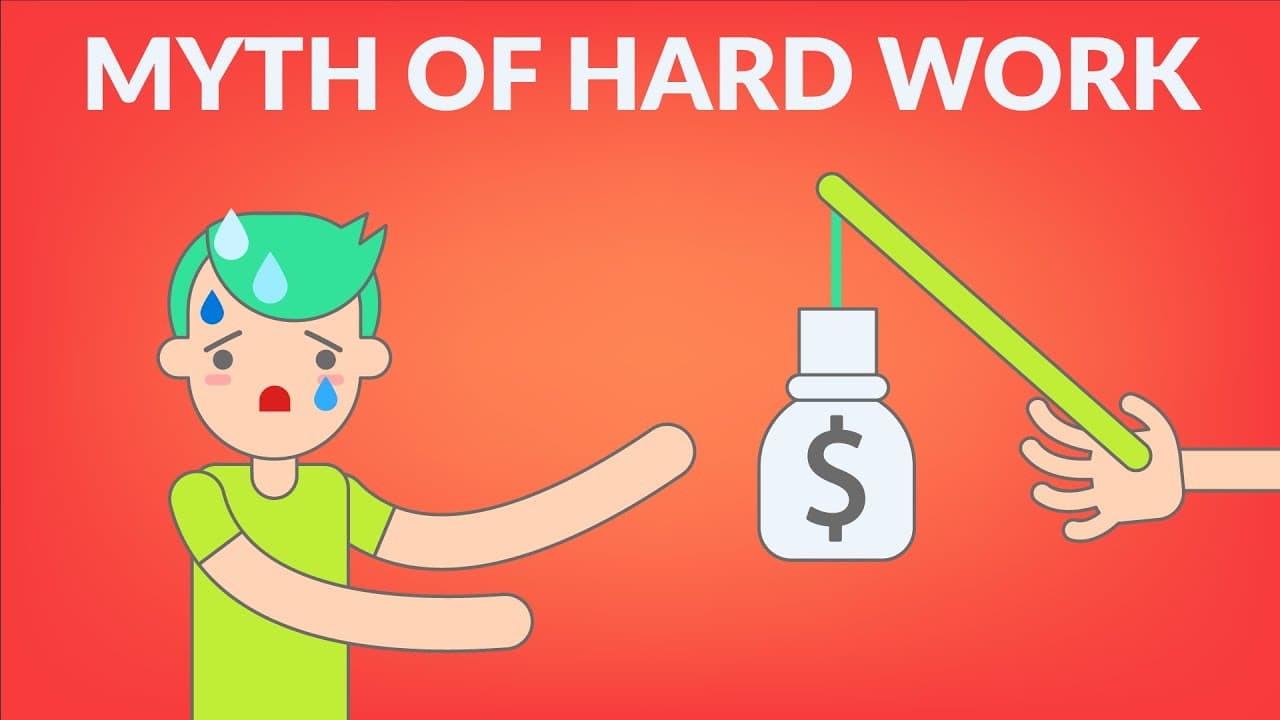
Society rewards effectiveness rather than sheer hard work. The success of a YouTube video that was simple and effective, gaining millions of views, contrasts sharply with a more effortful video that only attracted a fraction of that audience. Ultimately, results matter more than the amount of effort expended.
Transcript
As a kid, society told me that hard work led to success. They taught me that the difference between the haves and the have-nots depended on effort. But as an adult, I learned that society doesn’t reward effort. That’s a myth. No instead, a just society rewards effectiveness. It rewards those who can get from Point A to Point B—that’s it. On July 11... Read More
Key Insights
- ❓ Society rewards effectiveness, not effort, in various domains.
- 🫵 The success of a YouTube video is determined by its effectiveness in meeting viewer expectations.
- 💦 Working hard is only effective when someone else has made the work useful.
- ❓ Becoming effective requires practice, feedback, and continuous refinement.
- 🥺 Perfect justice in society is elusive, leading to discrepancies in rewarding effectiveness.
- ❓ Society creates barriers and limitations that can hinder the rewards of effectiveness.
- 🍗 Focusing on one thing and aiming for effectiveness is generally more advantageous than trying to do multiple things simultaneously.
Install to Summarize YouTube Videos and Get Transcripts
Explore YouTube Video Summarizer or Get YouTube Transcript Extractor
Questions & Answers
Q: Does society truly reward hard work or is effectiveness more important?
Society rewards effectiveness, not effort. The success of a simple but effective YouTube video compared to a highly effortful but ineffective one demonstrates this. The world values results over the amount of effort put in.
Q: What are some examples of situations where effort is rewarded?
Effort is often rewarded when it leads to practice and learning. For instance, a child who fails to ride a bike on their own may be rewarded for their effort because it is effective in gaining practice and developing courage to try again.
Q: Is working hard always good advice?
Working hard is only good advice when someone else has made our work useful or when we are in a predictable, slow-moving society with clear paths to success. In these cases, working hard is effective because it aligns with established systems.
Q: How can one become more effective in their actions?
Becoming more effective requires practice and a strategic approach. One must first decide on their destination and then come up with a theory or plan to reach it. Through action, feedback, and continuous refinement, they can become more effective in achieving their goals.
Key Insights:
- Society rewards effectiveness, not effort, in various domains.
- The success of a YouTube video is determined by its effectiveness in meeting viewer expectations.
- Working hard is only effective when someone else has made the work useful.
- Becoming effective requires practice, feedback, and continuous refinement.
- Perfect justice in society is elusive, leading to discrepancies in rewarding effectiveness.
- Society creates barriers and limitations that can hinder the rewards of effectiveness.
- Focusing on one thing and aiming for effectiveness is generally more advantageous than trying to do multiple things simultaneously.
- The pursuit of effectiveness should be prioritized over the pursuit of hard work.
Summary & Key Takeaways
-
Society teaches that hard work leads to success, but the reality is that society rewards effectiveness, not effort.
-
Two YouTube videos serve as examples: a highly effective video written in 2 days that gained close to 4 million views, and an effortful video worked on for 2 months that only reached around 50,000 views.
-
The world values effectiveness in actions over the amount of effort exerted.
Read in Other Languages (beta)
Share This Summary 📚
Summarize YouTube Videos and Get Video Transcripts with 1-Click
Try YouTube Summary with ChatGPT & Claude or YouTube Transcript Generator
Explore More Summaries from Freedom in Thought 📚


Summarize YouTube Videos and Get Video Transcripts with 1-Click
Try YouTube Summary with ChatGPT & Claude or YouTube Transcript Generator