How Does the 2026 YouTube Algorithm Work?
TL;DR
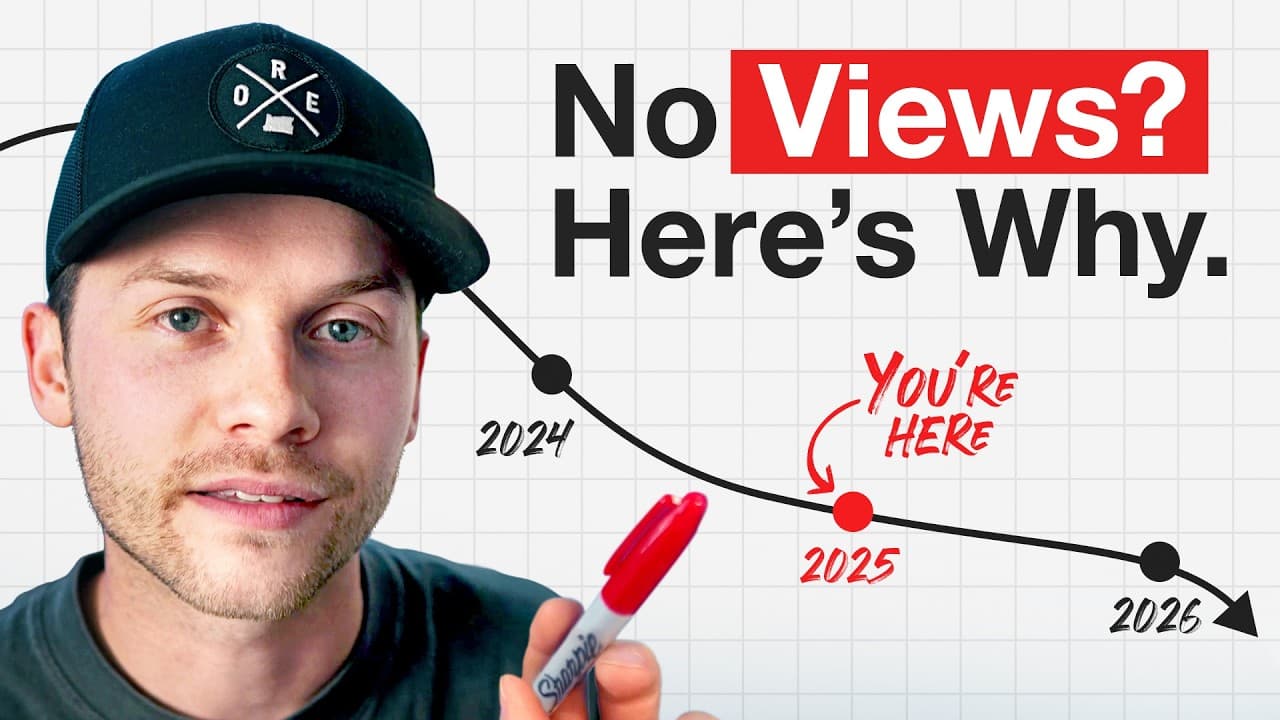
YouTube recommends videos by matching each upload with viewers whose interests and behavior suggest compatibility. To increase distribution, serve your first audience well, study proven outliers, create connected video journeys, target specific searches, and prioritize viewer satisfaction through strong retention, sharing, comments, and other engagement signals.
Transcript
If you feel like the YouTube algorithm is killing your channel's growth and performance, you actually just might be making the wrong videos. So, in today's video, I'm going to show you how to work with this year's algorithm. So, it actually helps you grow this year as a creator. We got seven points we're going to cover in this video. And the first ... Read More
Key Insights
- YouTube's algorithm is a matching system that attempts to connect each video with compatible viewers. It evaluates signals such as clicks, comments, and watch history, so weak performance does not necessarily mean the platform is punishing a creator or suppressing a channel.
- The first audience is the group that initially encounters a new upload. During the first 24 to 48 hours, their decisions to click and continue watching help teach YouTube who the content serves and whether its distribution should expand through recommendations.
- Audience fit is compatible with creative experimentation. Creators can test reaction videos, vlogs, long-form podcasts, lifestyle content, and other formats, but every experiment should still consider whether core viewers will recognize the value, click the video, and remain interested.
- Outlier research is a way to identify subjects with demonstrated demand. Creators can study unusually successful uploads from their own channels or others in the same niche, examine what resonated, and use those findings as references for related videos or logical follow-ups.
- VidIQ's outlier score compares a video's performance with typical results on its channel. The example featuring Katie Steckley had 583,000 views after a year and a 50x outlier score, suggesting substantial demand for content about free video-editing software for YouTubers.
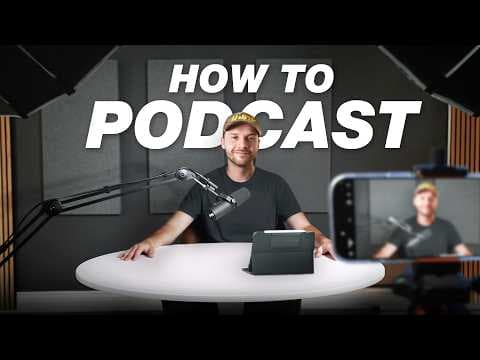
- A viewer journey is a connected sequence of videos that answers successive questions. A broad introduction to starting a podcast can lead into narrower topics such as creating one with a phone, producing a video podcast, and distributing completed episodes.
- Search-based discovery is especially important for smaller channels without an established subscriber audience. Clear titles, thumbnails, descriptions, and tags can help people find videos, while answering specific questions and reviewing specific products provide repeatable frameworks for searchable topics.
- YouTube discovery is described as interest-based rather than dependent on subscriber totals. Small channels can compete with larger creators when viewers watch for longer periods, share videos, copy links, send content to friends, or participate in the comment section.
Install to Summarize YouTube Videos and Get Transcripts
Explore YouTube Video Summarizer or Get YouTube Transcript Extractor
Questions & Answers
Q: How does the 2026 YouTube algorithm choose viewers?
YouTube attempts to match each video with viewers who appear compatible with that specific content. The system studies behavior such as clicks, comments, watch history, viewing patterns, and retention. When a video underperforms, the stated explanation is not punishment. YouTube may not have found the right viewers, or the content may suffer from unclear structure, weak positioning, or limited demand.
Q: Why do the first 24 to 48 hours matter on YouTube?
The first 24 to 48 hours matter because a channel's current viewers help teach YouTube who the new video is designed for. If those viewers receive the opportunity to watch, choose to click, and remain for a substantial portion, YouTube may expand distribution. If subscribers show less interest than usual, early views and recommendation reach can decline.
Q: Can YouTube creators experiment without confusing the algorithm?
Creators can experiment with reactions, vlogs, long-form podcasts, lifestyle content, and other formats, but the experiments should still serve their core audience. The essential question is whether the first available viewers will understand the video's relevance, click it, and keep watching. Creative variety is possible, although audience fit remains important for broader algorithmic distribution.
Q: How can creators find proven YouTube video ideas?
Creators can look for outliers, meaning videos that performed unusually well compared with typical uploads on the same channel. These may come from their own library or from other creators in the same niche. Studying the topic, framing, and demonstrated audience response can reveal current demand and inspire a related treatment without requiring random topic selection.
Q: What does a VidIQ outlier score show?
A VidIQ outlier score indicates how strongly a video performed relative to most content on its channel. One example had 583,000 views after a year and was labeled a 50x outlier, meaning it performed 50 times better than most uploads on that channel. Filters can also narrow results by recency, subscriber range, topic, and minimum outlier score.
Q: How do you build a viewer journey on YouTube?
A viewer journey begins by asking what someone would logically need to watch after the current video. Instead of publishing unrelated one-off uploads, creators can build clusters around successive needs. The podcast example moves from a broad starting guide to phone-based production, video podcast creation, and distribution, giving interested viewers several connected videos to watch across the channel.
Q: Why is YouTube search important for small channels?
Search is important because smaller channels may not have a built-in subscriber network available for initial testing. Search optimization through clear titles, thumbnails, episode descriptions, and tags can give a video an entry point for discovery. Think Media reported that 55% of its channel views during the previous 28 days came from the YouTube search bar.
Q: How can a small YouTube channel compete with large creators?
A small channel can compete by producing videos that strongly satisfy interested viewers. The transcript emphasizes interest patterns and video retention rather than subscriber totals alone. Longer viewing, sharing, copying the link, sending the video to a friend, and commenting are cited as valuable behaviors. A creator can therefore earn distribution even when starting with zero subscribers.
Summary & Key Takeaways
-
YouTube's algorithm acts as a matchmaker rather than a punishment system. It studies clicks, comments, watch history, and viewing behavior to connect each video with suitable viewers. Underperformance can indicate unclear content, weak structure, limited demand, or difficulty identifying the right audience for that specific upload.
-
The first audience strongly influences early distribution because current viewers help YouTube understand who should receive a video. Creators should serve their core audience while still testing formats such as reactions, vlogs, podcasts, and lifestyle content. Strong clicks and sustained viewing can encourage broader recommendations during the initial release period.
-
Creators can improve discovery by studying outliers, organizing related videos into viewer journeys, and targeting searches with clear titles, thumbnails, descriptions, and tags. Answering specific questions and reviewing specific products provide repeatable topic frameworks, while viewer retention, sharing, link copying, and comments can help smaller channels compete.
Read in Other Languages (beta)
Share This Summary 📚
Summarize YouTube Videos and Get Video Transcripts with 1-Click
Try YouTube Summary with ChatGPT & Claude or YouTube Transcript Generator
Explore More Summaries from Think Media 📚

Summarize YouTube Videos and Get Video Transcripts with 1-Click
Try YouTube Summary with ChatGPT & Claude or YouTube Transcript Generator