How to Rethink SEO for AI-Powered Search
TL;DR
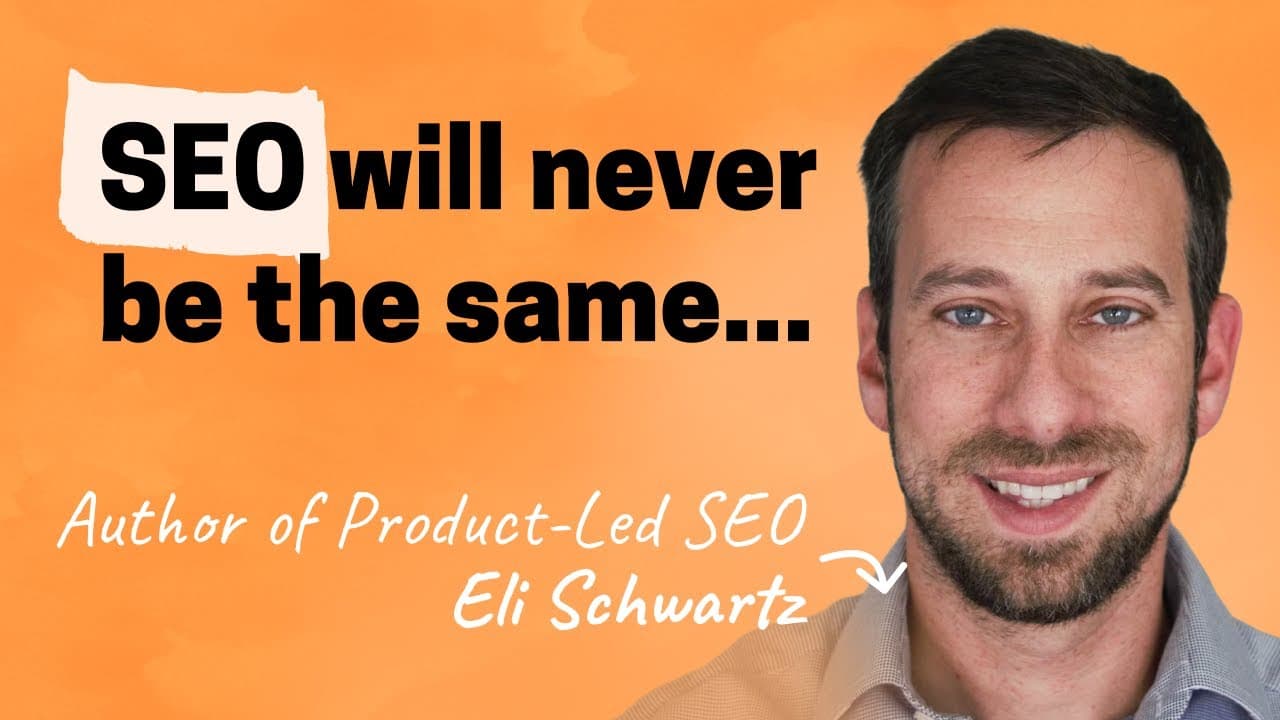
Treat SEO as a product question focused on users who discover solutions through their own searches, not merely as a content and link-building tactic. AI-generated answers reduce some opportunities for the first organic click, so companies should identify what prospective users genuinely search for, determine whether SEO fits the business, and prioritize valuable mid-funnel discovery journeys.
Transcript
You've noticed a significant shift in how SEO works with the rise of AI answers being integrated into search results. Transparently, I thought this was going to be an apocalypse. Up until AI Overviews, whoever won on that long form piece of content would get that first click. But now that doesn't exist anymore. What should people do to be s... Read More
Key Insights
- SEO is a product question because success depends on understanding a user, identifying the problem that prompts a search, and positioning the company during self-directed discovery. Product managers should therefore help decide whether search supports the product and its prospective users.
- AI Overviews change organic discovery by placing a generated answer at the top of some Google results. The long-form page that previously earned the first click may no longer receive that visit when the answer appears directly within the search experience.
- The first step in SEO is identifying what a prospective user would actually search for. If a company cannot answer that question clearly, Eli Schwartz argues that it should not pursue SEO simply because organic traffic appears attractive.
- Traditional SEO tactics are fundamentally straightforward: find relevant keywords, incorporate them into content, and build links. AI does not make those mechanics disappear, but it forces companies to reconsider how search traffic contributes to meaningful business outcomes.
- Search users follow a self-discovery journey that differs from acquisition through social channels or advertising. An effective strategy considers how to reach people who independently express a need through a query and then evaluate available information or solutions.
- ChatGPT changed expectations by allowing people to ask questions and receive written responses instead of reviewing a list of links. That experience prompted claims that Google and SEO were becoming unnecessary, although Schwartz rejects the conclusion that search optimization is ending.
- Google created Search Generative Experience, later renamed AI Overviews, as a generative response embedded within search results. The feature represented Google's answer to concerns that conversational AI could reduce the need for conventional search behavior.
- Google faces significant tradeoffs when generating answers itself, including how to display advertising, whether harmful responses create publisher liability, and whether generated material raises plagiarism concerns. These issues complicate the transition from directing users to sources toward presenting answers directly.
Install to Summarize YouTube Videos and Get Transcripts
Explore YouTube Video Summarizer or Get YouTube Transcript Extractor
Questions & Answers
Q: How should companies rethink SEO for AI-powered search?
Companies should treat SEO as a product decision centered on user needs and business outcomes. They should identify the people who discover solutions through search, determine what those people would type, and decide how the product should appear during that journey. AI-generated answers may absorb clicks that once went to first-ranking pages, so success cannot depend only on producing long-form content and building links.
Q: Why should SEO be treated as a product instead of only marketing?
SEO should be treated as a product because the central questions involve users, needs, positioning, and discovery. Product managers can examine who is unlikely to arrive through advertising or social channels, what problem would cause that person to search, and how the product should serve that intent. This approach connects organic visibility to a real user journey instead of treating traffic as an isolated marketing objective.
Q: How do AI Overviews affect traditional organic search results?
AI Overviews place a generated response directly within the search results, giving users information without necessarily requiring a click. Before this format, a page that won the top position for a long-form topic could capture the first visit. When the generated answer satisfies the query, that opportunity may disappear, requiring companies to reconsider which searches can still produce valuable discovery and business activity.
Q: What is the first step in building an SEO strategy?
The first step is determining what a prospective user would genuinely search for in connection with the product or problem. This requires a clear view of the user's need and self-directed discovery process. Eli Schwartz argues that if a company cannot explain what someone would search, it should not pursue SEO. Keywords, content, and links come only after establishing that credible search demand.
Q: Is AI making SEO unnecessary?
AI is not making SEO unnecessary according to Eli Schwartz, but it is forcing companies to reconsider what organic traffic means. ChatGPT and AI Overviews can answer questions without sending users to external pages, which changes click behavior. The continuing task is to understand how people search, where the business can provide relevant value, and whether visibility in that discovery channel can support meaningful outcomes.
Q: What traditional tactics form the basic mechanics of SEO?
The basic mechanics described in the conversation are finding keywords, placing those terms into useful content, and building links. These tactics have worked for a long time and have not fundamentally changed. The larger challenge is strategic: deciding why the business deserves search traffic, which user journey it serves, and how organic discovery produces value beyond simply increasing visits or ranking a page.
Q: Why did Google introduce AI-generated answers in search?
Google responded after ChatGPT showed that users could ask questions and receive written answers without searching through multiple links. That experience created a public discussion about whether conventional search was becoming unnecessary. Google first introduced Search Generative Experience as a beta and later renamed it AI Overviews, effectively placing a conversational, generated response inside the search results page.
Q: What challenges does Google face with AI Overviews?
Google faces challenges involving monetization, liability, and plagiarism. Its business relies heavily on advertising, while a generated answer can compete with how ads and traditional results appear. Google may also carry greater responsibility when it publishes an answer directly instead of merely directing users to another source. Generated responses additionally raise questions about whether source material has been reproduced improperly.
Summary & Key Takeaways
-
AI-generated answers are changing the search experience by placing written responses directly above traditional results. This weakens the previous advantage of ranking first with long-form content. SEO remains relevant, but companies must reconsider what organic traffic means, which searches matter to their businesses, and where search can support user discovery journeys.
-
Eli Schwartz argues that SEO should be managed like a product rather than treated only as a marketing tactic. Product teams should determine who searches independently, what those users need, and how the company should appear during that journey. If a business cannot identify plausible searches, it should reconsider investing in SEO.
-
Google introduced AI Overviews after ChatGPT demonstrated that users could ask questions and receive written answers without clicking through multiple search results. Google faced unresolved concerns involving advertising, publisher liability, and possible plagiarism. These changes force SEO teams to move beyond familiar keyword, content, and link-building tactics toward stronger business and product reasoning.
Read in Other Languages (beta)
Share This Summary 📚
Summarize YouTube Videos and Get Video Transcripts with 1-Click
Try YouTube Summary with ChatGPT & Claude or YouTube Transcript Generator
Explore More Summaries from Lenny's Podcast 📚


Summarize YouTube Videos and Get Video Transcripts with 1-Click
Try YouTube Summary with ChatGPT & Claude or YouTube Transcript Generator