How to Build Powerful Door Traps in Minecraft
TL;DR
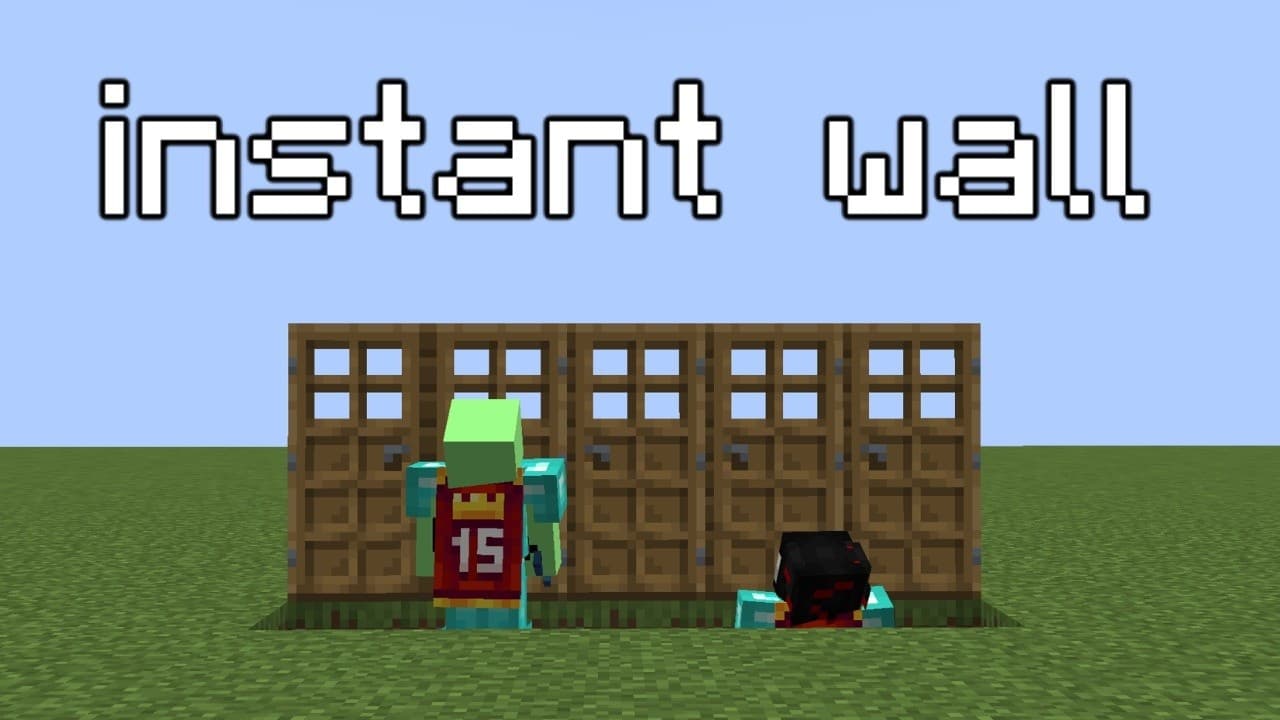
Minecraft doors can create effective traps because redstone changes their state, placement direction can interrupt jumps, and rapid placement can form an instant barrier. The demonstrated designs combine doors with a 2 by 2 piston pull, a camouflaged dripstone pit, or a low tree that accelerates movement before pursuers are sealed behind a door wall.
Transcript
The door is one of the weirdest Minecraft blocks. It's two blocks tall. It changes when you click it or when you run redstone into it. And when you place a door, there's a unique mechanic that decides which direction it will swing. And today, I'm going to abuse some of these strange and unique properties of doors to make three traps. The first trap... Read More
Key Insights
- Minecraft doors are two blocks tall, respond to direct interaction and redstone, and use a placement mechanic that determines their swing direction. These unusual properties allow doors to function as concealed walls, movement blockers, and rapidly deployed barriers rather than serving only as entrances.
- The DoorGround trap is a 2 by 2 piston pull enhanced with redstone torches beneath grass blocks and doors placed in specific positions. Activating its lever opens the ground while closing the surrounding doors, producing a pit whose door walls make escape more difficult.
- Door PvP is a fighting strategy based on placing many doors during combat to obstruct enemy attacks. Using that behavior before reaching a DoorGround trap makes nearby doors appear consistent with the combat style, reducing the chance that a pursuing player recognizes the prepared pit.
- False confidence is useful for leading an opponent into a trap. After gaining diamond armor, the trapper deliberately allowed a less-equipped pursuer to land a combo, encouraging continued aggression and creating a reason for that player to follow him toward the concealed DoorGround mechanism.
- Downward door placement can make a door appear behind the player, allowing the block to interrupt a pursuer's jump. The demonstrated technique involves jumping over a gap, looking down, moving sideways, and repeatedly placing doors so the chasing player collides with them and falls.
- Natural caves can camouflage a 5 by 1 trapping hole because they already look like ordinary gaps in the terrain. Extending a cave, adding dripstone below, and placing doors only during the chase conceals both the dangerous landing area and the intended interception point.
- Redstone torches beneath grass blocks cause doors placed above them to begin in the open position. By aligning beside a row of prepared blocks and repeatedly using the placement control, a hidden operator can create a long door wall quickly enough to separate pursuers from their target.
- Low overhead blocks increase running speed when a player repeatedly jumps beneath them, according to the demonstrated third design. Positioning the instant door wall below a two-block-high tree lets the bait player move through quickly while an operator seals the route behind the pursuing group.
Install to Summarize YouTube Videos and Get Transcripts
Explore YouTube Video Summarizer or Get YouTube Transcript Extractor
Questions & Answers
Q: How do you build a DoorGround trap in Minecraft?
Build a 2 by 2 piston pull, place redstone torches beneath the surrounding grass blocks, and arrange doors in the specific positions needed to enclose the opening. Connect the mechanism to a lever. When the lever activates the piston pull, the ground opens and the doors close around the pit, creating walls that help prevent the trapped player from escaping.
Q: How does Door PvP disguise a Minecraft trap?
Door PvP involves placing many doors while fighting so they obstruct or block an opponent's attacks. If the trapper uses this strategy throughout a chase, a few doors near the prepared pit no longer appear unusual. The opponent may interpret them as another part of the fighting style and continue pursuing instead of stopping to inspect the area.
Q: How can false confidence help lure someone into a trap?
A trapper can deliberately let an opponent land successful attacks so the opponent believes the fight is going well. In the demonstrated attempt, the player with diamond armor allowed a pursuer to combo him before retreating. That apparent vulnerability encouraged the pursuer to keep chasing, giving the trapper an opportunity to guide the fight toward the prepared mechanism.
Q: How does downward door placement block a jump?
When the player looks down and places a door, the door appears behind them. The trapper can jump over a narrow hole, look downward, move sideways, and repeatedly place doors along the gap. A pursuer attempting the same jump collides with the newly placed doors, loses the expected path across, and falls into the dangerous area below.
Q: How do you camouflage a dripstone door trap?
Place the trap around an existing cave because a natural hole attracts less suspicion than an isolated rectangular pit. Extend the cave to create the required 5 by 1 opening, then position dripstone at the bottom. Keep the crossing visually consistent with the terrain and place the blocking doors only after a target begins chasing you across it.
Q: How does the instant door wall trap work?
Redstone torches placed beneath grass blocks cause doors installed above them to begin in an open state. The operator stands to one side, aligns the placement position carefully, and repeatedly uses the placement control to produce a wall very quickly. When pursuers enter the route, the sudden series of doors blocks their progress and separates them from the bait player.
Q: Why is a low tree used with the instant door wall?
The low tree provides blocks directly above the running path. According to the demonstrated mechanic, repeatedly pressing the jump control while blocks are overhead makes the player run faster. Clown Pierce uses this route to move through first, drawing enemies behind him, while the hidden operator waits in position to place doors and close the passage after the pursuers enter.
Q: What roles do Clown Pierce and Fruit Berries play in the traps?
Clown Pierce serves as the fast, dangerous bait player who attracts a group of enemies and leads them toward the instant door wall beneath the low tree. Fruit Berries builds a version of the 5 by 1 door blockoff and improves its concealment by covering the hole with powdered snow. Their contributions support the final trapping attempts.
Summary & Key Takeaways
-
The first design upgrades a 2 by 2 piston pull with redstone torches and carefully positioned doors. Pulling a lever closes the doors around the opened pit, forming walls that contain anyone who falls. Door PvP disguises the setup because scattered doors look like part of the fighting strategy rather than a prepared trap.
-
The second design exploits the direction in which a door appears when placed while looking downward. A 5 by 1 hole is extended from a natural cave and lined with dripstone for camouflage and damage. The trapper jumps across, moves sideways, and places doors behind them to block the pursuer's jump into safety.
-
The third design uses redstone torches beneath grass blocks to make newly placed doors begin open. A player aligned beside the route can rapidly create a wall by holding placement. Clown Pierce attracts pursuers through a low tree, where repeated jumping increases his movement speed, while JudeLow closes the route behind the chasing group.
Read in Other Languages (beta)
Share This Summary 📚
Summarize YouTube Videos and Get Video Transcripts with 1-Click
Try YouTube Summary with ChatGPT & Claude or YouTube Transcript Generator
Explore More Summaries from JudeLow 📚


Summarize YouTube Videos and Get Video Transcripts with 1-Click
Try YouTube Summary with ChatGPT & Claude or YouTube Transcript Generator