How to Turn Criticism Into Personal Mastery
TL;DR
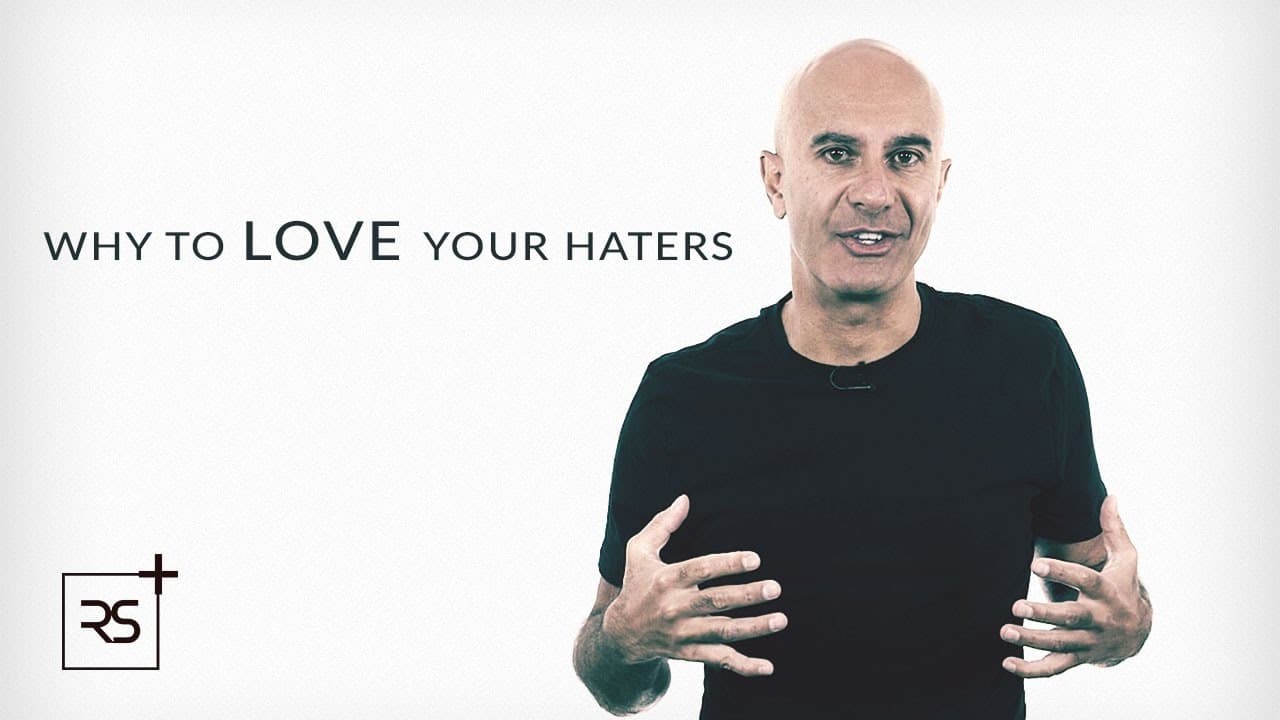
Treat criticism as a possible sign that you are pursuing difficult, uncommon work, then use it to strengthen your discipline, compassion, and commitment. Robin Sharma argues that mastery attracts ridicule because exceptional performance challenges comfortable habits and reminds observers of their unexpressed potential, so lasting achievement requires accepting misunderstanding without abandoning kindness.
Transcript
hi it's Robin Sharma author of the leader who had no title founder of the Titan Academy welcome to this Mastery session this Mastery session is all about why to love your haters I'll start off with a brain tattoo you can be a history maker or you can be liked by everyone around you you can't be both I mean the very nature of living your personal gr... Read More
Key Insights
- Mastery often attracts cynics because exceptional work visibly departs from the habits, expectations, and comfortable routines of the majority. Anyone pursuing unusual standards should expect some ridicule or misunderstanding instead of treating universal approval as a reliable measure of worthwhile progress.
- Leadership is a lonely pursuit because meaningful achievement requires thinking, working, and living differently from people who prefer ease or conformity. Sharma presents this isolation as a predictable consequence of choosing personal greatness, not necessarily as evidence that the chosen direction is wrong.
- Criticism can reflect an observer's discomfort with unexpressed potential. Seeing disciplined achievement may awaken guilt or shame in people who recognize that they also possess greater capacity but have allowed fear, distraction, entertainment, or weak habits to govern their choices.
- Genius depends more on habits than genetics in Sharma's argument. People may desire extraordinary ability, yet few willingly adopt the disciplined routines, sustained learning, sacrifice, and training that mastery demands, making dismissal of accomplished people easier than following their example.
- Growth occurs when people approach their limits through demanding practice. Difficult books, training, conversations, runs, and work push a person beyond familiar comfort, while repeatedly choosing easy entertainment, easy company, and easy tasks preserves existing limitations rather than expanding capability.
- Kindness remains essential even when criticism becomes hostile. Sharma places love, compassion, grace, forgiveness, decency, and respect at the center of his response, showing that accepting the existence of haters does not require becoming cruel, defensive, or dismissive toward them.
- Personal greatness requires choosing purpose over immediate pleasure. Exceptional performers make time for learning, training, brave action, and demanding work, while refusing distractions that compete with what matters most. These repeated choices allow them to develop their craft and serve others effectively.
- A meaningful legacy is built by converting opposition into discipline, understanding, and productive action. Sharma describes criticism as stones that can either knock someone down or become construction material for a monument of mastery grounded in values, service, possibility, and fully expressed potential.
Install to Summarize YouTube Videos and Get Transcripts
Explore YouTube Video Summarizer or Get YouTube Transcript Extractor
Questions & Answers
Q: Why does personal mastery attract criticism?
Personal mastery attracts criticism because exceptional work challenges familiar expectations and exposes the gap between potential and action. Sharma argues that a disciplined person's example may awaken guilt or shame in observers who know they could do more but choose comfort, distraction, or fear. Ridiculing the achiever can feel easier than adopting demanding habits, making sacrifices, and confronting personal limits.
Q: How should you respond when people hate your work?
Respond by continuing the work while protecting your values. Sharma recommends remaining loving, kind, compassionate, forgiving, and decent rather than retaliating or allowing hostility to determine your behavior. Criticism can be converted into greater understanding, wisdom, discipline, and commitment. The goal is to let opposition strengthen your mastery and service instead of knocking you down or making you resemble your critics.
Q: Can you achieve greatness and still be liked by everyone?
Sharma's central claim is that a person can attempt history-making work or be liked by everyone, but cannot reliably have both. Greatness requires thinking differently, installing uncommon routines, and producing work beyond ordinary standards. Those differences naturally invite misunderstanding and ridicule. Universal approval should therefore not be expected when a person chooses difficult goals, leadership, and the full expression of personal potential.
Q: Why do people dismiss highly successful performers?
People may dismiss accomplished performers because labeling them naturally gifted is easier than acknowledging the sacrifices behind their results. Sharma says mastery requires difficult learning, repeated training, early effort, courageous decisions, and resistance to distraction. When observers see exceptional performance, they may protect themselves from guilt about unused potential by calling the work garbage, amateurish, or dependent on different genetic coding.
Q: What habits does personal mastery require?
Personal mastery requires routines that favor growth over comfort, including sustained learning, focused training, difficult work, courageous conversations, and consistent discipline. Sharma contrasts these choices with excessive entertainment, gossip, negativity, fear, and missed opportunities. He argues that extraordinary capability develops through habits more than genetics, so people must repeatedly practice the behaviors that move them toward their limits and expand those limits.
Q: Why is leadership described as a lonely sport?
Leadership is described as lonely because leaders pursuing uncommon standards must often depart from majority behavior. They think differently, adopt demanding routines, communicate differently, and continue working when others prefer comfort or conformity. These choices can produce ridicule, misunderstanding, and hostility. Sharma suggests that accepting this social cost is part of owning one's craft, pursuing lofty dreams, and attempting work that few people are willing to undertake.
Q: How can criticism contribute to a meaningful legacy?
Criticism contributes to a meaningful legacy when it becomes fuel for stronger values, disciplined work, forgiveness, and service. Sharma uses the image of taking stones thrown by others and constructing a monument of mastery. Instead of allowing opposition to end the effort, a person can continue modeling possibility, serving many people, building a strong life, and expressing the potential available through difficult and easy periods alike.
Q: What question should guide a life devoted to mastery?
The guiding question is what a person wants to stand for throughout the rest of life. Sharma asks whether someone wants to reach the final hour knowing that every available ounce of potential was expressed through values, mindsets, habits, routines, and discipline. The test of mastery is not avoiding criticism, but owning one's work, serving others, modeling possibility, and building a legacy despite opposition.
Summary & Key Takeaways
-
Robin Sharma argues that pursuing personal greatness often brings ridicule, misunderstanding, and hostility because uncommon ambitions require different habits, routines, and standards. A person may choose universal approval or attempt history-making work, but cannot reliably secure both. Leadership and mastery can therefore become lonely pursuits that demand emotional resilience.
-
Critics may attack exceptional performers because visible mastery reminds them of their own unused potential. Sharma suggests that this example can produce guilt and shame in people who avoid difficult training, courageous action, and disciplined habits. Dismissing successful people then becomes easier than making the sacrifices required to develop similar abilities.
-
The constructive response to hatred is neither retaliation nor surrender. Sharma recommends remaining kind, compassionate, forgiving, and committed to personal values while continuing difficult work. Criticism can become material for greater understanding, wisdom, and discipline, allowing a person to build a legacy by modeling possibility, serving others, and fully expressing personal potential.
Read in Other Languages (beta)
Share This Summary 📚
Summarize YouTube Videos and Get Video Transcripts with 1-Click
Try YouTube Summary with ChatGPT & Claude or YouTube Transcript Generator
Explore More Summaries from Robin Sharma 📚

Summarize YouTube Videos and Get Video Transcripts with 1-Click
Try YouTube Summary with ChatGPT & Claude or YouTube Transcript Generator