What Unique Creatures Can You Find in Costa Rican Tide Pools?
TL;DR
Exploring the tide pools of Costa Rica reveals extraordinary creatures like zebra worms that can stretch up to 50 times their length, warty sea slugs with slimy mucus for defense, and aggressive crabs. These diverse tide pool inhabitants showcase fascinating adaptations, such as camouflage and unique feeding mechanisms, and are mostly harmless to humans.
Transcript
- Alright, I'm gonna slowly move this rock out of the way and see if I can get him up close for the cameras. Here we go. Ah! Ah, look at that pincher. Oh, he's trying to get me. I'm gonna let go of that arm right there. Oh, look at that, look at that. - [Cameraman] Can you show me the top side of him? (screams) (dramatic music) - As the morning sun... Read More
Key Insights
- 👻 Low tide exposes Costa Rican tide pools, allowing for the discovery of unique sea creatures.
- 🤢 Sea creatures in tide pools often display fascinating adaptations for survival, such as stretching abilities in worms and slimy mucus in slugs.
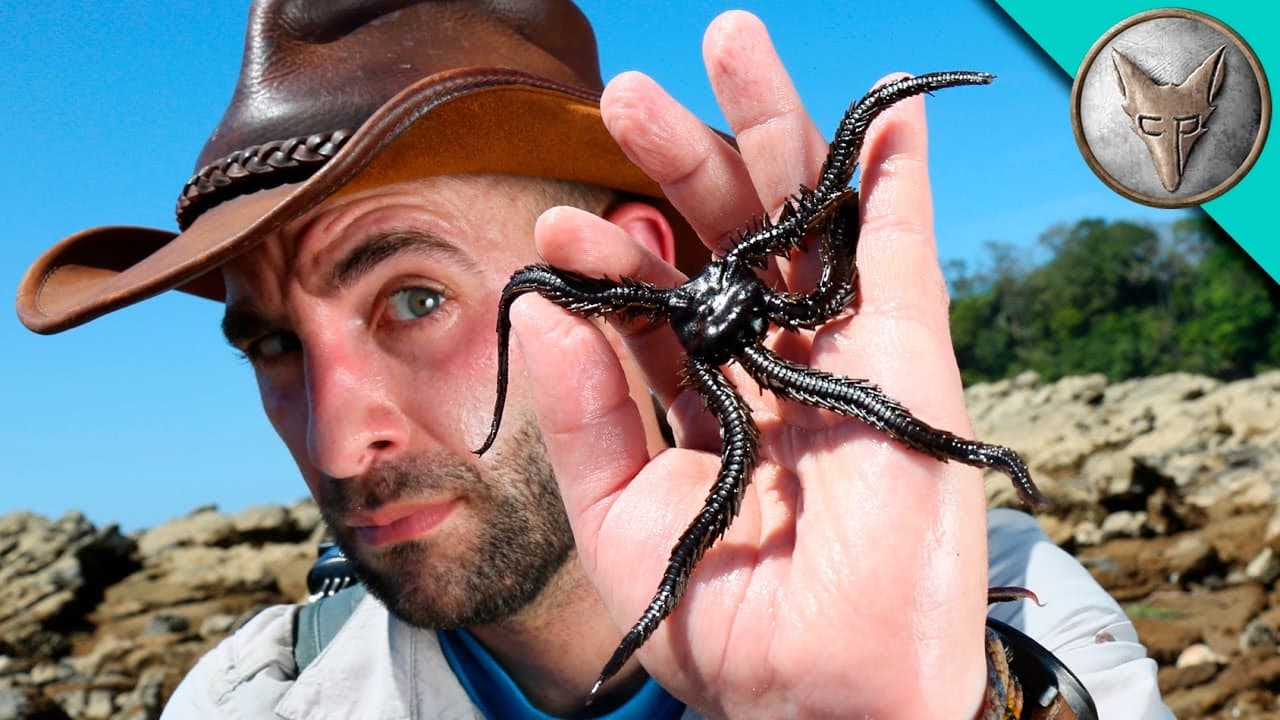
- 🧡 The Costa Rican tide pools are home to a diverse range of creatures, including crabs, slugs, worms, and brittlestars.
- 🤱 Some tide pool creatures have unique feeding mechanisms, like the radula in slugs and multiple jaws in brittlestars.
- 🤢 Despite their strange appearances, most of the encountered creatures, like warty sea slugs and brittlestars, are harmless to humans.
- 😒 Tide pool creatures use camouflages, like algae-covered rocks, to blend in with their surroundings.
- 🇨🇷 The Pacific side of Costa Rica offers an abundance of marine biodiversity within its tide pools.
Install to Summarize YouTube Videos and Get Transcripts
Explore YouTube Video Summarizer or Get YouTube Transcript Extractor
Questions & Answers
Q: What are the conditions needed to find sea creatures in tide pools?
To find stranded sea creatures in tide pools, Coyote waits for low tide and explores the small tidal pools where animals are stranded.
Q: How big can a zebra worm stretch?
A zebra worm can stretch up to 50 times its original length, as seen when Coyote encounters one in the tide pool.
Q: How do warty sea slugs protect themselves?
Warty sea slugs have rhinophores to sense light and movement and appendages on their mouths to sense food and communicate. They also secrete a slimy, slightly toxic mucus for defense.
Q: What is unique about the brittlestar?
Brittlestars have tube feet, like starfish, and can eat and excrete waste through the same opening. They also have bristles on their tentacles for locomotion and can lose all legs except one and still survive.
Summary & Key Takeaways
-
Coyote explores the Pacific side of Costa Rica and waits for low tide to discover unique sea creatures in the exposed tidal pools.
-
He first encounters a zebra worm, which stretches up to 50 times its length and has an internal, pebble-like shell.
-
Coyote then finds warty sea slugs, which feed on algae and have rhinophores and a slimy, sticky mucus for defense. He also gets pincered by an aggressive crab.
Read in Other Languages (beta)
Share This Summary 📚
Summarize YouTube Videos and Get Video Transcripts with 1-Click
Try YouTube Summary with ChatGPT & Claude or YouTube Transcript Generator
Explore More Summaries from Brave Wilderness 📚



Summarize YouTube Videos and Get Video Transcripts with 1-Click
Try YouTube Summary with ChatGPT & Claude or YouTube Transcript Generator