How Can Tiny Changes Transform Your Life?
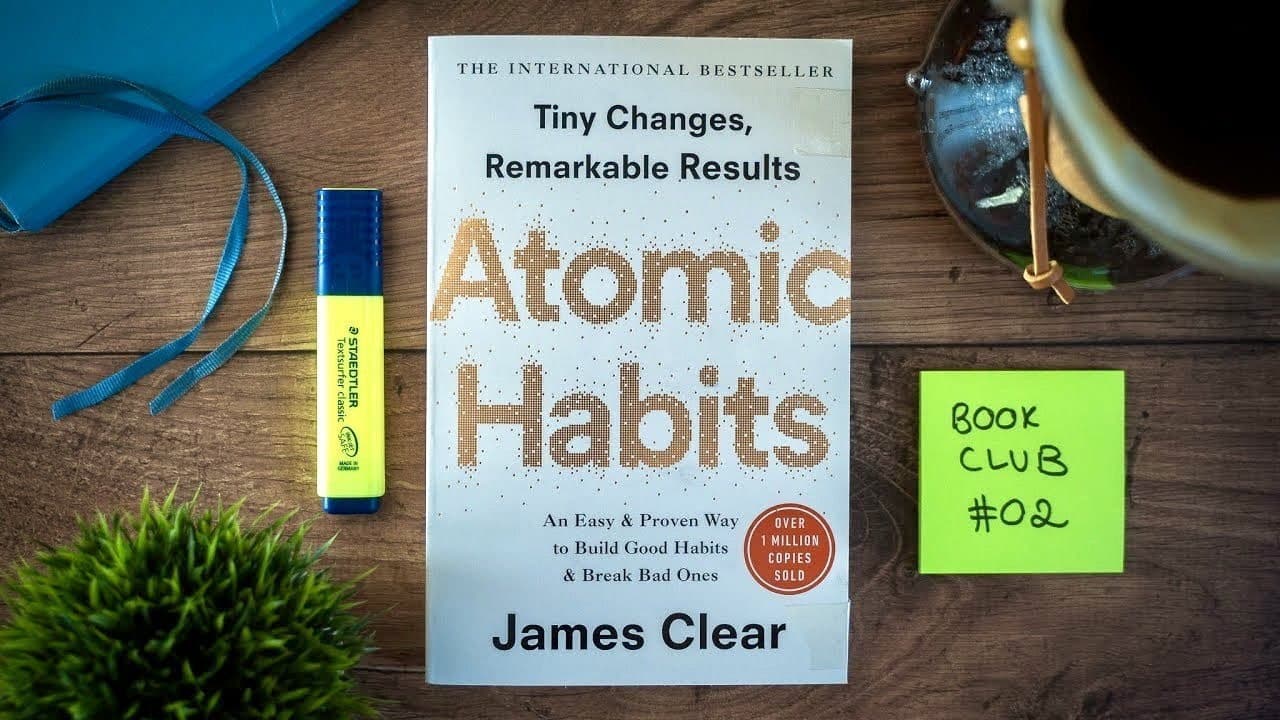
TL;DR
Small, consistent improvements can lead to significant life changes. By focusing on systems instead of goals and recognising the importance of identity, we can harness the power of atomic habits for lasting personal growth.
Transcript
if we want to change our lives we're often told that we need to think big make drastic changes or perhaps even move across continents but what if we could achieve major transformations just through small tweaks to our daily routines we all tend to overestimate the importance of single actions and underestimate the power of making small improvements... Read More
Key Insights
- 😌 The power of atomic habits lies in the compound effect of small improvements over time.
- 🍉 Goals should be replaced with systems to ensure consistent progress and long-term change.
- 🖐️ Identity change plays a significant role in maintaining new habits and behaviors.
- 👮 The process of building habits can be broken down into cue, craving, response, and reward, which are guided by the four laws of behavior change: make it obvious, make it attractive, make it easy, and make it satisfying.
- 🍉 Small habits may seem insignificant in the short term but can bring remarkable change to our lives when practiced consistently.
- 🫥 The initial lack of visible progress can lead to discouragement, but habits often only make a noticeable difference once a critical threshold is crossed.
- 💁 The environment and immediate rewards heavily influence habit formation.
- 🎙️ More videos with James Clear:
Install to Summarize YouTube Videos and Get Transcripts
Explore YouTube Video Summarizer or Get YouTube Transcript Extractor
Questions & Answers
Q: How does compounding play a role in the power of atomic habits?
The compound effect of small habits over time can lead to remarkable transformations. For example, if we can get 1% better each day for a year, we can end up 37 times better. The impact of habits may not be noticeable on a given day, but it accumulates over months or years.
Q: What is the role of identity in habit change?
According to James Clear, identity change is crucial for long-term habit change. When a habit becomes part of our identity, we are more motivated to stick to it. By changing our identity to that of a healthy person, for example, we can develop the habits and systems necessary to maintain a healthy lifestyle.
Q: Why should we focus on systems instead of goals?
Clear argues that goals are temporary changes, while systems provide continuous improvement. Goals may restrict happiness and hinder long-term progress. By focusing on building systems and processes, we can maintain consistent progress rather than relying on achieving specific outcomes.
Q: How can we overcome the difficulty of building new habits?
Building habits can be achieved by following the four stages of cue, craving, response, and reward. By making habits obvious, attractive, easy, and satisfying, we can successfully incorporate them into our daily routines. Designing our environment and reducing friction are essential components of habit formation.
Key Insights:
- The power of atomic habits lies in the compound effect of small improvements over time.
- Goals should be replaced with systems to ensure consistent progress and long-term change.
- Identity change plays a significant role in maintaining new habits and behaviors.
- The process of building habits can be broken down into cue, craving, response, and reward, which are guided by the four laws of behavior change: make it obvious, make it attractive, make it easy, and make it satisfying.
- Small habits may seem insignificant in the short term but can bring remarkable change to our lives when practiced consistently.
- The initial lack of visible progress can lead to discouragement, but habits often only make a noticeable difference once a critical threshold is crossed.
- The environment and immediate rewards heavily influence habit formation.
- Friction, or the difficulty of performing a habit, can be reduced to increase the likelihood of following through with positive behaviors.
Summary & Key Takeaways
-
Atomic Habits by James Clear explores the science and practical implications of building good habits and breaking bad ones through small changes and repetitive improvements.
-
The book emphasizes the power of 1% changes over time, highlighting the compound effect of small habits.
-
Clear suggests focusing on systems rather than goals and emphasizes the importance of identity change in habit formation.
Read in Other Languages (beta)
Share This Summary 📚
Summarize YouTube Videos and Get Video Transcripts with 1-Click
Try YouTube Summary with ChatGPT & Claude or YouTube Transcript Generator
Explore More Summaries from Ali Abdaal 📚



Summarize YouTube Videos and Get Video Transcripts with 1-Click
Try YouTube Summary with ChatGPT & Claude or YouTube Transcript Generator