How Does Inflation Reduce the Value of a Raise?
TL;DR
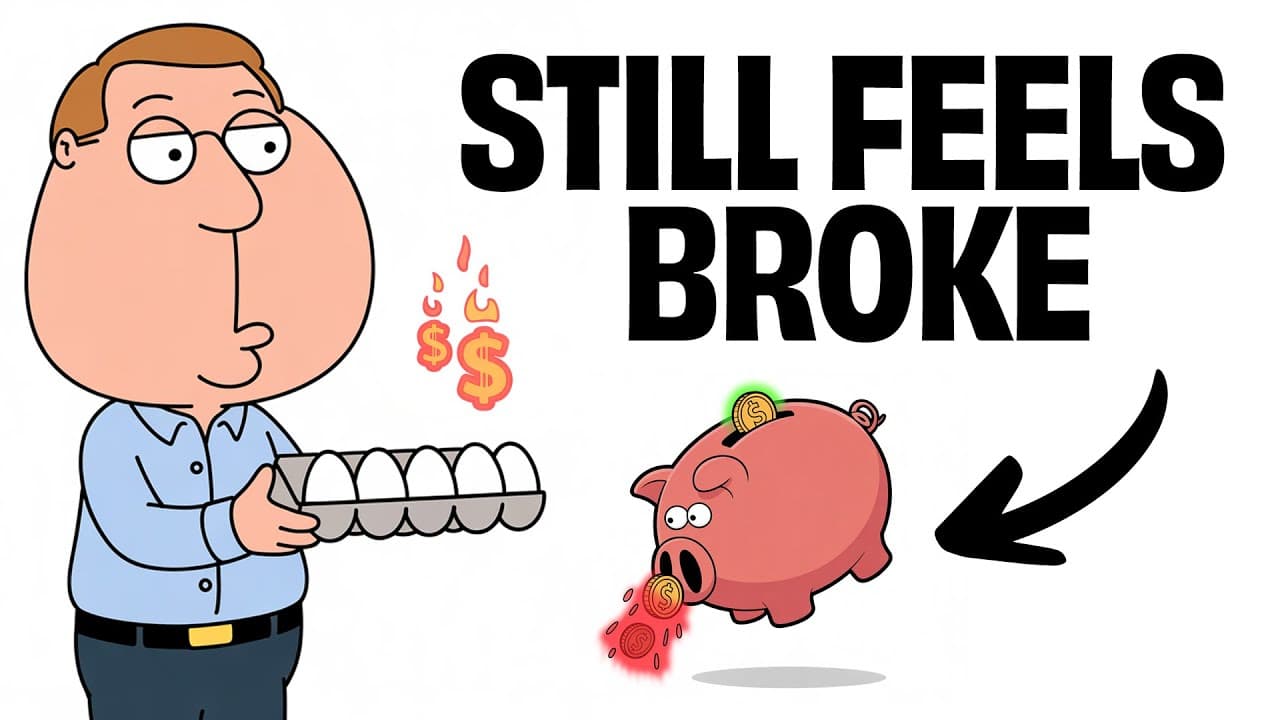
A raise improves your finances only when its growth exceeds inflation and restores purchasing power lost to earlier price increases. Compare pay changes with the cumulative rise in essential expenses, especially housing, food, utilities, and transportation, then use that real-income comparison when budgeting, evaluating compensation, or negotiating a larger raise.
Transcript
You just got that raise you've been waiting for and for about five minutes you felt like you'd finally made it. Maybe you celebrated with a nice dinner out or perhaps you started mentally spending that extra money on things you've been putting off. But then reality hits you like a freight train carrying a cargo full of grocery bills. Somehow, despi... Read More
Key Insights
- A salary raise is only a real financial gain when earnings increase enough to offset inflation. A larger paycheck can still buy less than an earlier paycheck if the prices of necessary goods and services have risen faster over the same period.
- Real wage growth is nominal wage growth after accounting for inflation. The transcript says average wages grew by 3.9% between July of last year and July of this year, but the resulting increase in actual purchasing power was only 1.5%.
- Cumulative inflation is more important than a single recent inflation reading when evaluating living standards. Prices were described as 23% higher than in February of 2020, so modest current inflation does not reverse the purchasing-power damage already embedded in household expenses.
- Housing costs are a major source of financial pressure because purchase prices, mortgage rates, and property taxes have all increased. The transcript reports a median home price of $437,000 as of April and says buyers need household income of almost $117,000 to afford a home comfortably.
- Utility expenses can erode the benefit of a raise even for people who own their homes outright. Electricity and gas bills were described as nearly 30% higher since 2021 and almost 40% higher since 2019, increasing the continuing cost of occupying a home.
- Essential categories can experience stronger price pressure than the overall inflation average. The transcript highlights increases in food, eggs, gasoline, housing, and utilities, showing why a household may feel squeezed even when a broad inflation statistic appears comparatively modest.
- A sequence of 3% annual raises may still produce a real pay cut when cumulative inflation is higher. The transcript's example says a $50,000 salary in 2020 would grow to about $58,000, while matching the earlier purchasing power would require about $61,500 today.
- Financial insecurity is not necessarily evidence of careless spending. Workers can follow conventional advice, receive regular raises, and still struggle because essential expenses absorb more income, leaving less for emergency savings, retirement planning, health care, entertainment, and unexpected costs.
Install to Summarize YouTube Videos and Get Transcripts
Explore YouTube Video Summarizer or Get YouTube Transcript Extractor
Questions & Answers
Q: How does inflation reduce the value of a salary raise?
Inflation reduces a raise's value by increasing the prices of goods and services that the higher salary must purchase. If pay rises more slowly than living costs, the worker receives more dollars but loses purchasing power. Even when wages begin growing faster than current inflation, earlier price increases can leave the worker behind the standard of living supported by the previous salary.
Q: What is the difference between nominal and real wage growth?
Nominal wage growth is the visible increase in a worker's paycheck, while real wage growth reflects what that paycheck can buy after inflation. The transcript gives an example in which average wages increased by 3.9%, but purchasing power grew by only 1.5%. Real wage growth is therefore the more useful measure for determining whether compensation has meaningfully improved.
Q: Why can current inflation figures understate household financial pressure?
A current inflation figure measures the recent pace of price increases, not the full amount by which prices have risen over several years. The transcript says prices were 23% higher than in February of 2020. A lower recent rate does not erase that accumulated increase, so households may continue paying substantially more even after inflation slows.
Q: Which living expenses can absorb most of a raise?
Housing, utilities, food, and transportation can absorb much of a raise because they are recurring necessities rather than optional purchases. The transcript points to higher home prices, mortgage rates, property taxes, electricity and gas bills, groceries, and gasoline. When these categories rise together, households have less money available for savings, retirement, health care, clothing, entertainment, and emergencies.
Q: Why has housing become harder to afford?
Housing has become harder to afford because purchase prices and borrowing costs have risen while many salaries have not kept pace. The transcript reports a median home price of $437,000 as of April, up 44% since 2020, and says mortgage rates have doubled compared with half a decade ago. It estimates that comfortable affordability requires household income of almost $117,000.
Q: Can regular annual raises still leave a worker worse off?
Regular raises can still leave a worker worse off when cumulative salary growth trails cumulative inflation. The transcript illustrates this with a $50,000 salary in 2020 receiving a 3% raise each year. That salary becomes about $58,000, but matching the earlier purchasing power would require about $61,500, leaving a real shortfall of $3,500 despite consistent nominal increases.
Q: Why do financially responsible workers still struggle to save?
Financially responsible workers may struggle because essential costs consume a growing portion of take-home pay before savings begin. The transcript describes pressure from housing, groceries, transportation, utilities, taxes, health care, and routine bills. After covering those obligations, the remaining income must also support emergency funds and retirement, making wealth building difficult even for people who budget carefully and earn regular raises.
Q: How should workers evaluate and negotiate a raise during inflation?
Workers should compare the proposed raise with both current inflation and the cumulative increase in their actual living costs. A headline percentage alone does not show whether purchasing power has recovered. The transcript supports focusing on real income, especially changes in housing, food, utilities, and transportation, and using that comparison to judge compensation and make a stronger case in salary negotiations.
Summary & Key Takeaways
-
Inflation can turn a nominal salary increase into little or no improvement in daily living standards. The relevant measure is real wage growth, which adjusts earnings for changing prices. Even when current wages rise faster than current inflation, workers may remain behind because earlier price increases permanently raised their cost base.
-
Essential expenses can rise much faster than the broad inflation average. Housing prices, mortgage costs, property taxes, utilities, groceries, and gasoline place direct pressure on household budgets. Because these necessities consume a large share of take-home pay, modest raises may leave less money for savings, retirement, health care, and emergencies.
-
Workers should evaluate compensation according to purchasing power rather than the headline percentage of a raise. The transcript recommends recognizing that financial strain may reflect a changed economic landscape, not merely poor budgeting. Comparing cumulative living-cost increases with cumulative pay growth provides a clearer basis for spending decisions and salary negotiations.
Read in Other Languages (beta)
Share This Summary 📚
Summarize YouTube Videos and Get Video Transcripts with 1-Click
Try YouTube Summary with ChatGPT & Claude or YouTube Transcript Generator
Explore More Summaries from Nick Invests 📚



Summarize YouTube Videos and Get Video Transcripts with 1-Click
Try YouTube Summary with ChatGPT & Claude or YouTube Transcript Generator