Why Is Gold Becoming Central Banks' Top Choice?
TL;DR
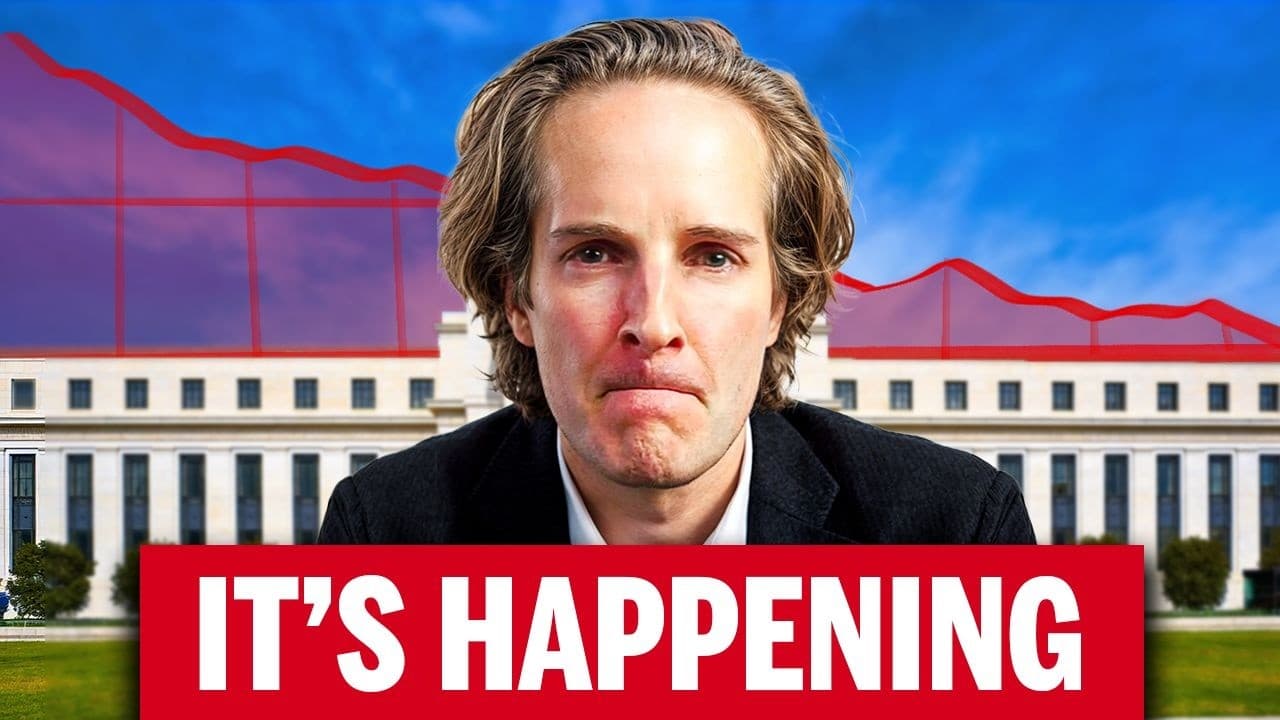
Central banks are buying gold at record levels while productivity and economic confidence decline. This suggests a financial reset may be imminent. With AI investments not yielding expected productivity gains, the economy feels unstable. Investors should develop a plan to navigate potential inflation and currency shifts, as central banks prepare for a potential economic upheaval.
Transcript
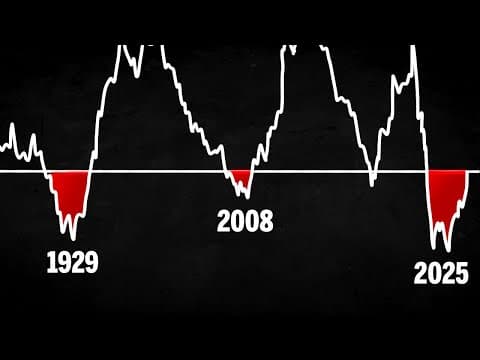
Something weird happened this week and I haven't really been able to stop thinking about it. Bank of America's chief strategist, guy called Michael Hart, he put out a chart and I saw it and it stopped me in my tracks for a minute. And it's literally just two lines. I'll put them on the screen for you here so you can see them. And these lines have m... Read More
Key Insights
- Central banks have purchased record amounts of gold amid declining economic productivity and confidence.
- Despite massive AI investment, productivity is decreasing, raising concerns about economic stability.
- AI leaders are calling for a slowdown in development due to potential risks of losing control.
- The S&P 500's gains are heavily reliant on a few AI stocks, indicating market vulnerability.
- A new gold-backed settlement system by BRICS nations could challenge the US dollar's dominance.
- Goldman Sachs and other banks predict significant increases in gold prices despite current market conditions.
- The Federal Reserve is buying a large portion of US debt, reminiscent of 1940s financial strategies.
- Investors should be proactive in planning for inflation and potential economic shifts rather than waiting for headlines.
Install to Summarize YouTube Videos and Get Transcripts
Explore YouTube Video Summarizer or Get YouTube Transcript Extractor
Questions & Answers
Q: Why are central banks buying so much gold?
Central banks are buying gold at record levels due to declining economic productivity and confidence, signaling potential financial instability. With AI investments not yielding expected productivity gains, central banks anticipate inflation and currency shifts. Gold serves as a hedge against these risks, ensuring financial stability during potential economic upheavals.
Q: What impact does AI investment have on productivity?
Despite significant investments in AI, productivity has not increased as expected. This raises concerns about economic stability as AI stocks are priced for perfection. The lack of productivity gains suggests that the anticipated economic benefits of AI have not materialized, contributing to declining economic confidence and potential financial instability.
Q: How does the new BRICS settlement system affect the US dollar?
The new BRICS gold-backed settlement system could challenge the US dollar's dominance by providing an alternative for international trade. This system, backed by 40% gold, allows BRICS nations to trade without relying on the dollar, potentially reducing its global influence and prompting central banks to increase gold reserves as a hedge against currency shifts.
Q: What is the significance of the Federal Reserve buying US debt?
The Federal Reserve's purchase of a large portion of US debt is reminiscent of 1940s financial strategies used to manage high national debt. This approach aims to keep interest rates low but risks leading to inflation, as seen historically. The move indicates potential economic instability and the need for investors to consider inflation hedges like gold.
Q: Why are AI leaders calling for a slowdown in development?
AI leaders, including those from OpenAI and Anthropic, are calling for a slowdown in development due to risks of losing control over AI systems. They warn that rapid AI advancements could lead to systems that outpace current control mechanisms, posing significant risks to economic stability and prompting calls for cautious, responsible development.
Q: What are the potential effects of declining productivity on the economy?
Declining productivity can lead to reduced economic growth and confidence, impacting stock market performance and overall economic stability. As productivity decreases, the expected benefits of technological investments, such as AI, fail to materialize, leading to economic uncertainty and prompting central banks to seek stability through gold purchases.
Q: How should investors respond to potential economic shifts?
Investors should proactively develop plans to navigate potential economic shifts, focusing on hedges against inflation and currency risks, such as gold. Understanding market dynamics, including central bank actions and potential currency challenges, can help investors position themselves to protect and grow their assets during periods of economic instability.
Q: What role does gold play in current economic conditions?
Gold serves as a hedge against inflation and currency shifts, providing stability during economic uncertainty. With central banks buying record amounts of gold and potential challenges to the US dollar's dominance, gold is increasingly viewed as a safe asset. Investors are advised to consider gold as part of their strategy to protect against economic volatility.
Summary & Key Takeaways
-
Central banks are hoarding gold while economic productivity and confidence decline, signaling a potential financial reset. Despite significant AI investments, productivity hasn't increased, raising concerns about economic stability. Investors are advised to prepare for potential inflation and currency shifts as central banks anticipate economic changes.
-
AI leaders are calling for a development slowdown due to control risks, and the S&P 500's gains are reliant on a few AI stocks, indicating market vulnerability. A new gold-backed settlement system by BRICS nations could challenge the US dollar's dominance, prompting investors to plan for potential economic shifts.
-
Goldman Sachs and other banks predict significant increases in gold prices despite current market conditions. The Federal Reserve's debt purchases mirror 1940s strategies, highlighting potential inflation risks. Investors are encouraged to proactively plan for economic changes rather than waiting for market confirmation.
Read in Other Languages (beta)
Share This Summary 📚
Summarize YouTube Videos and Get Video Transcripts with 1-Click
Try YouTube Summary with ChatGPT & Claude or YouTube Transcript Generator
Explore More Summaries from Felix & Friends (Goat Academy) 📚
![⚠️[WATCH NOW] IF You Own Tesla, Palantir, Nvidia, Amd, SoFi, HIMS thumbnail](/_next/image?url=https%3A%2F%2Fi.ytimg.com%2Fvi%2F9TY1aEkEGC8%2Fhqdefault.jpg&w=750&q=75)




Summarize YouTube Videos and Get Video Transcripts with 1-Click
Try YouTube Summary with ChatGPT & Claude or YouTube Transcript Generator