Finding Diversity Within | Samantha Jallah | TEDxGCSOM
TL;DR
Finding diversity within means recognizing and accepting the parts of ourselves that have felt different or excluded so we can better embrace others. Samantha Jallah calls these parts the “Stranger Within” and recommends approaching diverse encounters with curiosity, including trying to discover three things you share with each new person. Read on for her reflection exercise and practical approach to more inclusive interactions.
Transcript
I'm honored to be in your presence and I'm going to get to talk to you all today about finding diversity within each of us okay so often when we talk about diversity we're thinking of what are we telling people to do right it's very like instructional who's doing it well who's not doing it well what are we going to do and today we're going to take ... Read More
Key Insights
- 🉑 Embracing diversity within ourselves is crucial to accepting and understanding others.
- 🤗 Curiosity over fear promotes open dialogue and fosters connections in diverse interactions.
- 💱 Being aware of one's response to change helps navigate diverse environments effectively.
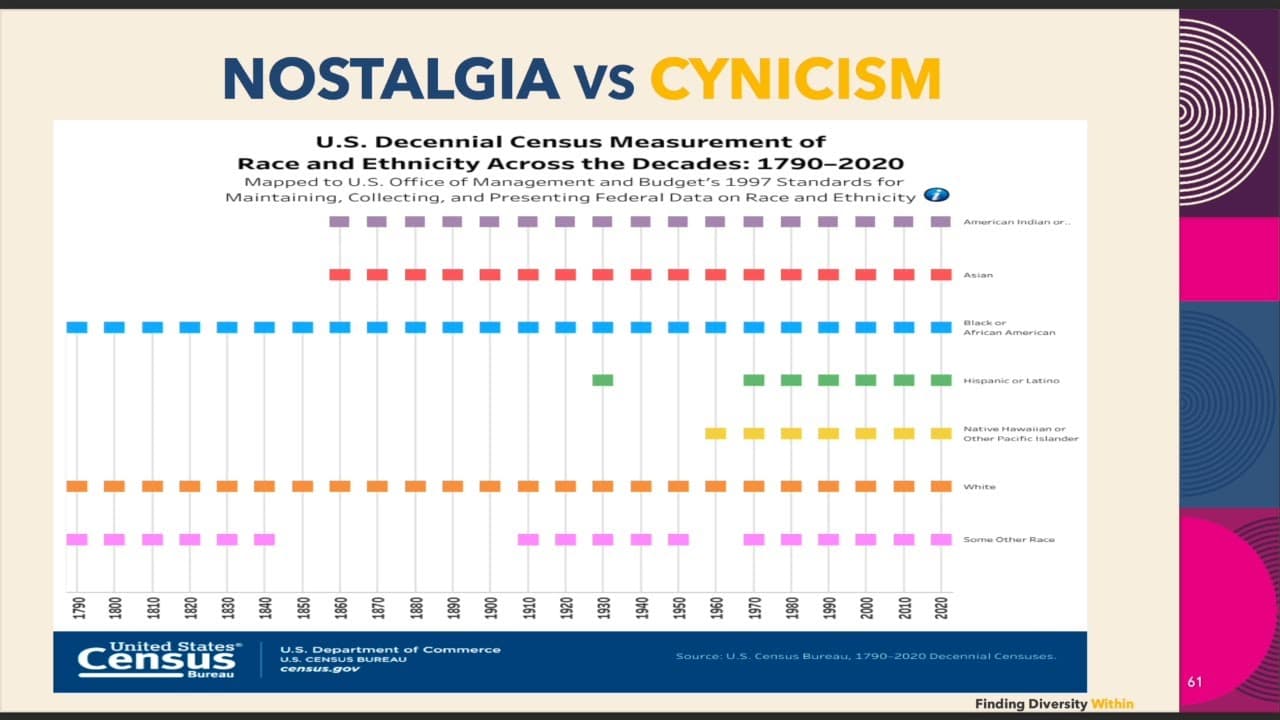
- ❓ Nostalgia may skew perceptions of diversity, emphasizing individual experiences over universal truths.
- 🥺 Prioritizing people over principles leads to more hopeful and meaningful interactions.
- ❓ Perception versus reality underscores the importance of validating assumptions in diverse contexts.
- 👻 Accepting differences within ourselves allows for greater empathy and acceptance of others.
Install to Summarize YouTube Videos and Get Transcripts
Explore YouTube Video Summarizer or Get YouTube Transcript Extractor
Questions & Answers
Q: What does “finding diversity within” mean in Samantha Jallah’s TEDxGCSOM talk?
It means looking inward to recognize the differences and experiences of not belonging that exist within each of us. Jallah argues that accepting this “Stranger Within” helps us acknowledge differences and embrace other people.
Q: How does Samantha Jallah define diversity?
Jallah describes diversity as differences rather than limiting it to seven categories. From that perspective, diversity exists within everyone and appears in every space at some level.
Q: Why does Samantha Jallah compare diversity to a rainbow baby?
Jallah, who identifies herself as a rainbow baby, connects the idea with both loss and hope. She presents diversity similarly: something can be built with hope from what has been lost.
Q: What is the “Stranger Within”?
The “Stranger Within” is a part of yourself that feels different, does not fit, or does not belong in a particular setting. Jallah says failing to accept and acknowledge it can interfere with your ability to embrace others.
Q: What reflection exercise does Samantha Jallah recommend?
She asks listeners to imagine a time when they did not feel they belonged. They should consider where they were, who was present, what loss they experienced, what they hoped would be different, and how they felt.
Q: How do inclusive and less inclusive spaces affect feelings of difference?
In inclusive spaces, people can be so engaged with one another that they do not need to focus on how they differ. In less inclusive spaces, differences can become the main focus and create diversity dilemmas.
Q: What personal example does Samantha Jallah give of an inclusive space?
Jallah says she is the extrovert among four children while her siblings are introverts. When they are enjoying time together, that difference does not occupy her attention, illustrating how inclusion can make differences feel less prominent.
Q: Why should people approach diversity with curiosity instead of fear?
Jallah says starting with fear leads toward anxiety, worry, and paranoia, while curiosity creates something to discuss and an opportunity to learn. When meeting someone new, she tries to leave the conversation having discovered three things they share.
Summary
In this video, the speaker discusses the concept of diversity and how it goes beyond just instructional guidelines. She encourages individuals to look within themselves and embrace their own differences before embracing diversity in others. She highlights various diversity dilemmas and provides insights on how to approach them. The speaker emphasizes the importance of curiosity, embracing change, challenging nostalgia, prioritizing people over principles, and understanding perception versus reality. She concludes with the idea of finding hope and peace in accepting and embracing the diversity within ourselves and others.
Questions & Answers
Q: How does the speaker define diversity?
The speaker defines diversity as the recognition and acceptance of differences, not limited to the traditional seven categories. She encourages individuals to look within themselves and embrace their own unique qualities.
Q: What is the significance of the "Stranger Within" concept?
The "Stranger Within" represents the aspects of ourselves that make us different or unique. The speaker suggests that recognizing this stranger within us allows us to better understand and embrace diversity in others.
Q: How does inclusivity affect our perception of diversity?
In inclusive spaces, we tend to focus more on the connections and commonalities we share with others rather than our differences. However, in less inclusive spaces, our focus shifts towards the differences, leading to diversity dilemmas.
Q: What is the difference between fear and curiosity in approaching diversity?
The speaker highlights the importance of starting with curiosity rather than fear when encountering diversity. Fear only leads to negative outcomes, while curiosity allows for learning and finding common ground with others.
Q: How does the speaker suggest dealing with change in relation to diversity?
The speaker advises individuals to be aware of their inclination towards staying within the comfort of the in-group or standing out as a unicorn. Recognizing our own attitudes towards change helps us navigate diversity more effectively.
Q: What does the speaker mean by "nostalgia versus cynicism/skepticism"?
The speaker emphasizes the need to challenge nostalgia or idealized perceptions of the past. She explains her personal experiences during a difficult time in her country's history and reminds us that our own experiences are not universal. We should be cautious of presuming others' experiences based on our own nostalgia.
Q: Why does the speaker emphasize prioritizing principles over people?
The speaker shares a personal story about friends who put their principles aside to accommodate her and her family's fears during the pandemic. She suggests that while principles are important, prioritizing people and relationships ultimately brings more hope and comfort.
Q: How does the speaker discuss perception versus reality in the context of diversity?
The speaker acknowledges that our perceptions may not always align with reality. She encourages individuals to validate their perceptions but remain open to the possibility that reality can defy those perceptions.
Q: How does the speaker propose finding hope in diversity?
The speaker believes that hope lies within each individual, starting with accepting and embracing our own differences. By doing this, we can have more empathy for others on their own diversity journey and find hope in embracing them.
Q: What is the speaker's concluding message?
The speaker calls for peace and acceptance in our interactions with strangers and those different from us. She emphasizes that accepting others does not mean we have to agree with them but rather approach them with love and understanding. The work of embracing diversity is meaningful and should not be neglected.
Takeaways
The speaker emphasizes the importance of embracing diversity within ourselves before embracing it in others. We should approach diversity with curiosity rather than fear and be open to change. Challenging nostalgia and prioritizing people over principles can lead to more hopeful outcomes. It is crucial to validate our perceptions while remaining open to the reality that may challenge them. The key is finding peace in accepting and embracing the diversity within ourselves and others.
Summary & Key Takeaways
-
Diversity is like a rainbow baby, born from loss and hope, existing within all of us.
-
Embracing the "Stranger Within" helps us accept and acknowledge differences in ourselves and others.
-
Inclusive spaces diminish the focus on differences, while less inclusive spaces exacerbate diversity dilemmas.
Read in Other Languages (beta)
Share This Summary 📚
Summarize YouTube Videos and Get Video Transcripts with 1-Click
Try YouTube Summary with ChatGPT & Claude or YouTube Transcript Generator
Explore More Summaries from TEDx Talks 📚



Summarize YouTube Videos and Get Video Transcripts with 1-Click
Try YouTube Summary with ChatGPT & Claude or YouTube Transcript Generator