How Do DJs Mix Tracks and Read the Crowd?
TL;DR
Effective DJing depends on contrast, smooth transitions, musical compatibility, and constant attention to the audience. Prepare a strong set structure for demanding festival slots, but keep alternative playlists ready so you can change direction when the crowd responds better to another style. Technology simplifies beat matching, yet song selection and crowd reading remain essential skills.
Transcript
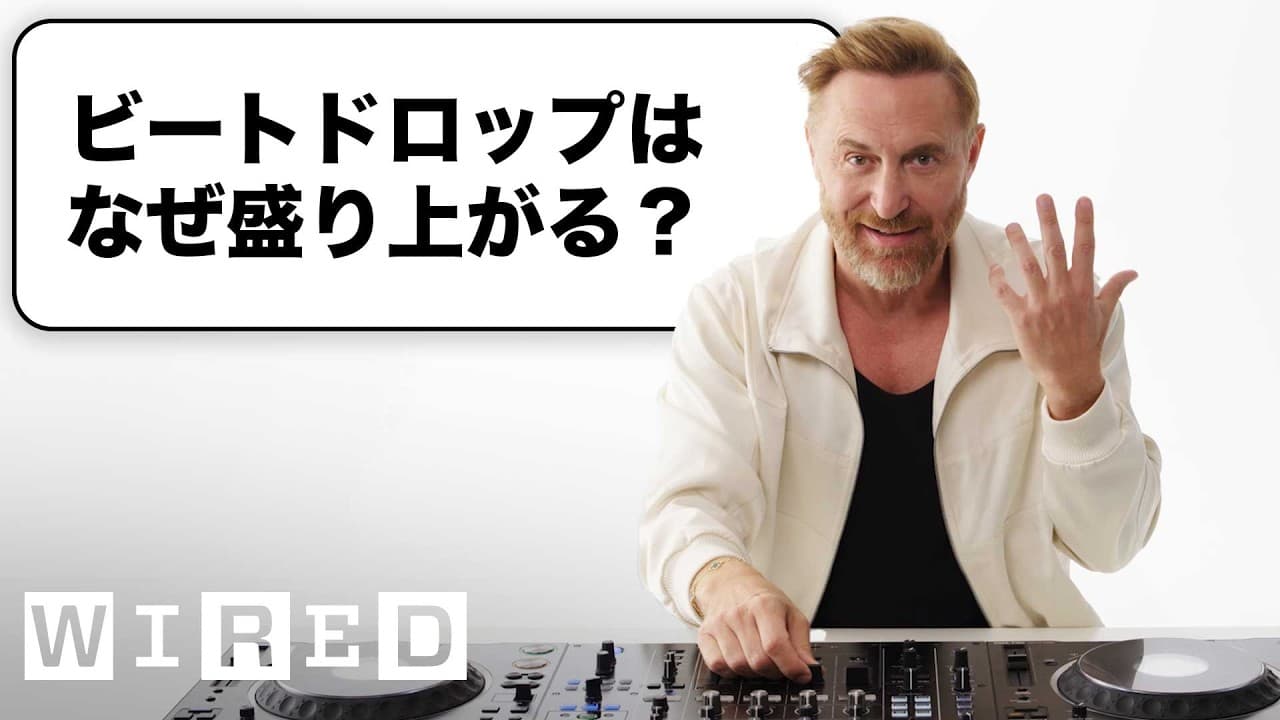
Hi guys, I'm David Gella and I'm going to answer a few questions from the internet. This is DJ support from Kuru the Guru. What is the theory behind drops? Music is all about contrast. If you want something to sound loud, it needs to be quiet before. If you want something to sound very wide and stereo, it needs to be mono before. So this is kind of... Read More
Key Insights
- Drops are created through contrast between restrained and restored musical elements. Removing the kick, bass, low frequencies, stereo width, or perceived loudness builds tension, while bringing those elements back makes the release feel dramatically more energetic.
- Festival sets are prepared more carefully because several major DJs may perform consecutive slots lasting one hour or 90 minutes. Guetta says he may work every day for a full month on an important festival set to make each moment effective.
- A prepared DJ set can remain responsive to the audience. Guetta creates a structural skeleton, watches whether the crowd prefers underground records, hits, sing-alongs, or feel-good music, and then adds suitable tracks from separate playlists.
- Crowd reading is the essential art of DJing because technical beat matching has become easier with computers. When a room is not responding, the DJ should test different styles until something works, then play more music from the successful direction.
- Festival performances require a recognizable sound and generally more energy than club sets. Audiences buy tickets expecting famous artists to play their own music, while moving a crowd of 100,000 requires a different approach from entertaining 200 people.
- Beat matching keeps the rhythm steady while one track transitions into another. A poorly aligned mix creates conflicting beats that confuse dancers, while reducing one track’s bass prevents excessive low-frequency overlap and helps the transition sound cleaner.
- Key matching makes overlapping tracks more musically pleasant. Guetta demonstrates that tracks can be rhythmically synchronized yet sound wrong when their keys conflict, while compatible notes such as C and G can form a pleasing relationship described as a fifth.
- A DJ’s primary responsibility is entertaining the people in front of the booth. Building a unique identity matters, but focusing on social media perception while ignoring the actual crowd prevents the DJ from observing reactions and adapting the music effectively.
Install to Summarize YouTube Videos and Get Transcripts
Explore YouTube Video Summarizer or Get YouTube Transcript Extractor
Questions & Answers
Q: How do DJs create an energetic drop?
DJs and producers create a drop by establishing contrast before the main elements return. They may remove the kick, bass, low frequencies, stereo width, or perceived loudness so the audience feels increasing tension and begins to miss the driving parts. When those elements suddenly return, the contrast makes the music feel much louder and more energetic, prompting a strong audience reaction.
Q: Do professional DJs prepare their festival sets in advance?
Professional DJs can prepare festival sets extensively without making them prerecorded performances. Guetta says he may spend a full month working every day on an important festival set because several leading DJs perform short consecutive slots and every minute must be effective. He prepares a structural skeleton, then modifies it live by selecting tracks from different playlists according to the audience’s response.
Q: How does a DJ read a crowd that is not responding?
A DJ reads an unresponsive crowd by trying different musical directions and carefully observing which one produces a reaction. If techno is failing but a tech house record works, the DJ can move into a playlist containing more strong tech house selections. Once the audience becomes happy and engaged, the DJ has more freedom to guide listeners toward another desired direction.
Q: What is the difference between playing clubs and festivals?
Club performances can provide room for longer journeys, experimentation, and underground music, while festival sets are shorter and audiences expect a famous DJ’s recognizable sound. Guetta compares that expectation to audiences wanting well-known bands to perform their signature songs. Festival crowds are also much larger, so the performance generally needs more energy to move thousands of people than a small club audience.
Q: How should a beginner learn beat matching?
A beginner should learn to keep two tracks rhythmically aligned so dancers hear a steady beat throughout the transition. If the beats conflict, the result sounds confusing and makes it difficult to dance. Guetta also recommends lowering the incoming track’s bass because two strong bass parts playing together can sound unpleasant. After rhythmic matching, the next step is learning to mix compatible musical keys.
Q: What do DJs hear through their headphones during a set?
DJs use headphones to preview the next record while the audience hears the current one through the main sound system. They check whether the new track starts at the correct moment, whether its beat matches properly, and whether it feels suitable after the current selection. One ear can monitor the incoming track through the headphones while the other listens to the venue monitor.
Q: What is the difference between mixing, remixing, and producing?
Mixing means transitioning from one record to another, commonly by using beat matching to keep their rhythms aligned. Remixing means building a new production around an existing vocal or familiar song so it reflects the remixer’s own musical style. Producing involves the different steps used to create a record, and the transcript specifically identifies composition as one of those steps.
Q: What mistakes should new DJs avoid?
New DJs should avoid pursuing a unique identity so rigidly that they ignore whether the audience is enjoying the music. A distinctive style can help a DJ become recognizable, but the immediate responsibility is to entertain the paying crowd. Guetta criticizes performers who focus on how social media viewers may perceive them and fail to look at the people directly in front of them.
Summary & Key Takeaways
-
Drops create excitement through contrast. Removing bass, kick, low frequencies, width, or volume produces tension and makes listeners miss the song’s driving elements. Restoring those elements releases the tension, causing the returning sound to feel louder, fuller, and more energetic even when the underlying technique is relatively simple.
-
Professional festival sets require extensive preparation because every minute must deliver, especially when major DJs perform short consecutive slots. Guetta builds a planned skeleton but never uses a prerecorded set. He watches audience reactions and selects additional tracks from prepared style-specific playlists, preserving both precision and the flexibility to redirect the performance.
-
Basic DJ mixing requires matching beats, controlling overlapping bass, considering musical key, and previewing tracks through headphones. Technical tools make synchronization easier, but effective performance still depends on maintaining a danceable rhythm, choosing compatible music, watching the crowd, developing a recognizable identity, and prioritizing the experience of the people present.
Read in Other Languages (beta)
Share This Summary 📚
Summarize YouTube Videos and Get Video Transcripts with 1-Click
Try YouTube Summary with ChatGPT & Claude or YouTube Transcript Generator
Explore More Summaries from WIRED.jp 📚

Summarize YouTube Videos and Get Video Transcripts with 1-Click
Try YouTube Summary with ChatGPT & Claude or YouTube Transcript Generator