Do You Have to Change for Your Partner? A Psychoanalyst Answers | Tech Support | WIRED Japan
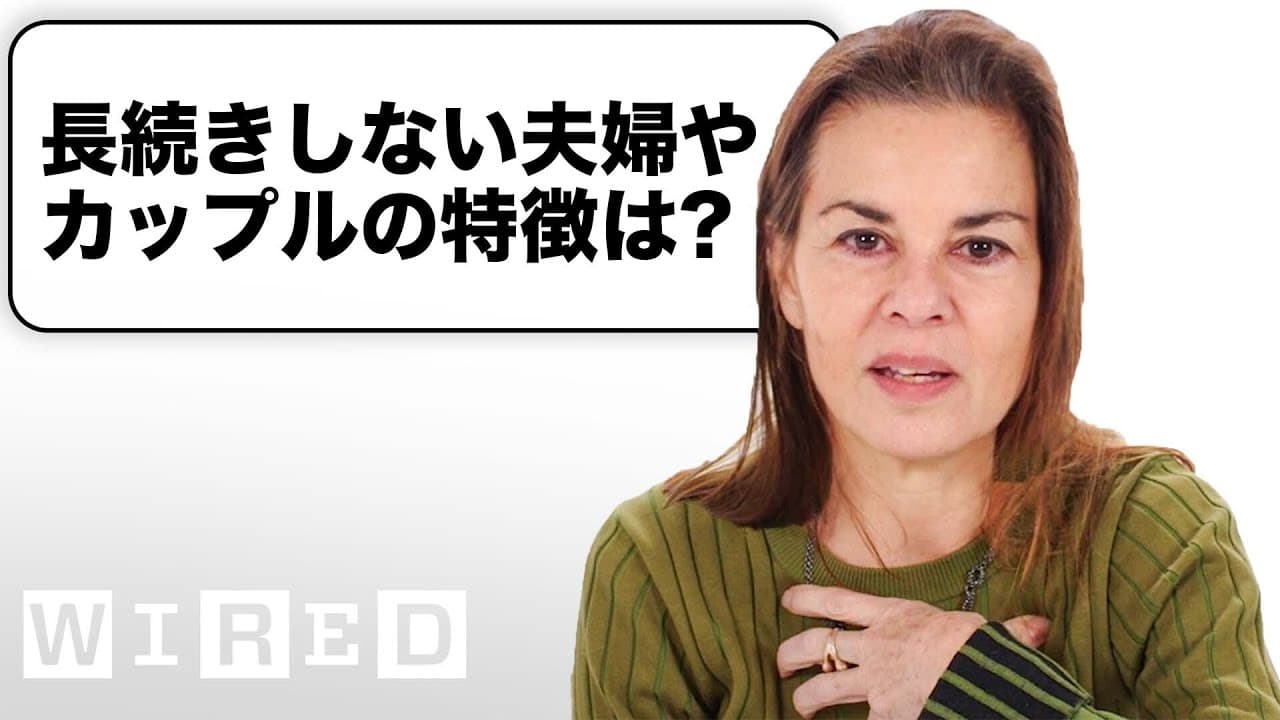
TL;DR
You do not need to become someone else for your partner, but both people must take responsibility for what they can change within themselves. Dr. Orna Guralnik explains that lasting relationships depend on mutual adjustment, acceptance, constructive honesty, and negotiating differences rather than controlling each other. Her guidance also covers doubts about love, friendships, intimacy, conflict, and the common push-pull between space and closeness. Read on for practical answers.
Transcript
I'm Dr Ora goralnik psychologist and psychoanalyst I'm here to answer your questions from the internet this is couples therapy support by sweetie all right level Studio says you shouldn't have to change for your partner is an extremely silly oversimplification I agree that it's a silly oversimplification but there is some wisdom in it you know when... Read More
Key Insights
- Changing for your partner is a silly oversimplification, yet each person must take responsibility for themselves and change within, learning to accept and love their partner as they are rather than expecting the partner to truly change.
- The truth is not everything that comes to your mind. Saying whatever hurtful thing you're thinking because you 'value truth' is not helpful or interesting, only damaging. The truth is what is constructive to the relationship.
- Questioning whether you love your partner does not mean you don't. Feelings come and go depending on internal and external weather, even when a steady undercurrent of love remains beneath moment-to-moment shifts.
- Controlling a partner, such as banning opposite-sex friends, is not a recipe for a solid relationship. Basing a relationship on limiting your partner's experience in the world will eventually kill it.
- The push-pull dynamic, where one craves space and the other closeness, is the most common relationship pattern. Paradoxically leaning back and taking your own space when someone retreats often works better than pushing.
- Successful couples fight better, not less, a finding from John and Julie Gottman's research. Disagreement between two different people is inevitable, so the real question is whether couples negotiate democratically or try to control each other.
- Men who show affection only when they want sex often lack other languages for feeling close. Part of the work is expanding a man's vocabulary of affection so warmth and connection don't automatically equal sex.
- Validation does not lose meaning just because all feelings are valid, since people have a deep need to feel understood. Feelings are the prerequisite for dealing with the truth, because truth is useless to someone too hurt to receive it.
Install to Summarize YouTube Videos and Get Transcripts
Explore YouTube Video Summarizer or Get YouTube Transcript Extractor
Questions & Answers
Q: Do you have to change for your partner to make a relationship work?
Each person needs to take responsibility for themselves and consider what they can change within. Dr. Orna Guralnik distinguishes adjusting in response to your impact on a partner from expecting that partner to fundamentally change. Couples also need to learn to accept and love each other as they are.
Q: Should you say hurtful things to your partner in the name of honesty?
No. Dr. Guralnik says that speaking hurtfully is damaging rather than helpful and that truth is not everything that comes to mind. In a relationship, truth should be constructive.
Q: Does questioning whether you love your partner mean you do not love them?
No. Feelings change with internal and external circumstances, even when a steady undercurrent of love remains. Momentary or day-to-day uncertainty is normal and may reflect temporarily losing touch with parts of yourself.
Q: Should you stop your partner from having opposite-sex friends?
No. Dr. Guralnik says controlling a partner is not a good foundation for a solid, mutually respectful relationship. A relationship built on limiting someone's experience of the world will eventually kill the relationship.
Q: How do you know whether your partner is “the one”?
Dr. Guralnik questions whether there is a single “one,” saying the answer depends on a person's philosophy of life and decision to commit. A relationship in which you are growing, thriving, and feeling substantial love and respect sounds good. Intense fantasies about an ideal partner can interfere with seeing the reality of a good relationship.
Q: What should you do when your partner needs space but you crave closeness?
First, recognize the push-pull pattern as a very common relationship dynamic. Pushing harder can make the other person retreat further, so Dr. Guralnik recommends leaning back, taking your own space, and caring for yourself. The partners can come back together when the time is right.
Q: What is couples therapy supposed to help couples discuss?
Couples therapy is not meant to be a place to talk about a partner as though they are absent. It creates space to discuss subjects that feel too risky to raise alone. The goal is to develop more open, risk-taking conversations that the couple can eventually continue at home without the therapist.
Q: Is the “inner child” real or just therapy jargon?
Dr. Guralnik describes it as therapy jargon that also represents something real: people carry childhood memories, needs, and feelings within them. Some retain a less-developed part of themselves that they return to in certain situations and then feel like a child. Loving someone includes noticing their childish, vulnerable, needy, and small parts.
Summary & Key Takeaways
-
Dr. Orna Guralnik, a psychologist and psychoanalyst who does couples therapy, answers internet questions. A central message is reversing the hidden agenda that a partner needs to change. Instead, each person takes responsibility for themselves and learns to accept and love their partner as they are.
-
Communication themes recur: hurtful honesty is damaging rather than truthful, controlling a partner's friendships kills relationships, and the common space-versus-closeness dynamic is best handled by leaning back rather than pushing. Couples therapy is a space to raise risky topics, not to complain about an absent partner.
-
She reframes fighting as an art where good couples fight better, not less, and negotiate difference democratically. Feelings are the prerequisite to dealing with truth, validation matters because people need to feel understood, and a good couples therapist is open-minded, wise, and unbiased toward either partner.
Read in Other Languages (beta)
Share This Summary 📚
Summarize YouTube Videos and Get Video Transcripts with 1-Click
Try YouTube Summary with ChatGPT & Claude or YouTube Transcript Generator
Explore More Summaries from WIRED.jp 📚






Summarize YouTube Videos and Get Video Transcripts with 1-Click
Try YouTube Summary with ChatGPT & Claude or YouTube Transcript Generator