How Should Leaders Build Trust in the AI Era?
TL;DR
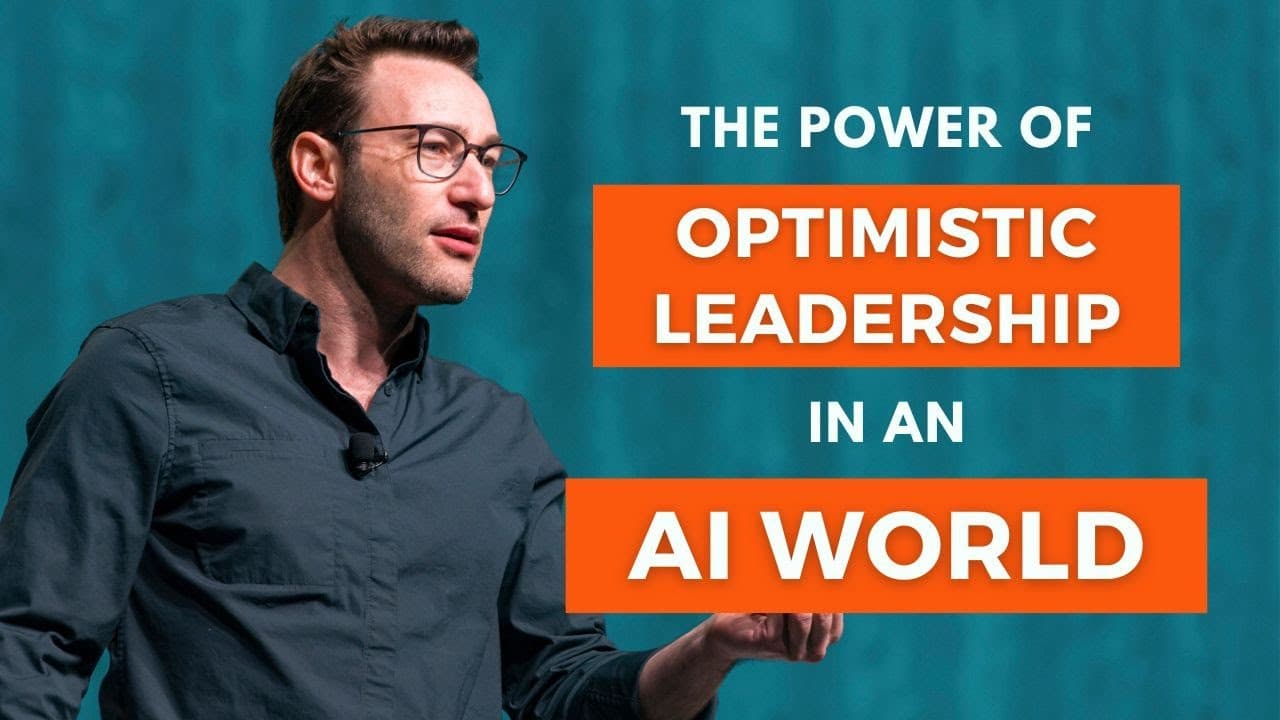
Leaders build optimism and trust by acknowledging genuine hardship while reinforcing that people can overcome it through cooperation and mutual care. AI is neither inherently beneficial nor harmful, but irresponsible deployment can weaken authentic relationships, create parasocial bonds, and intensify the pressure on employers to provide community, purpose, and human connection.
Transcript
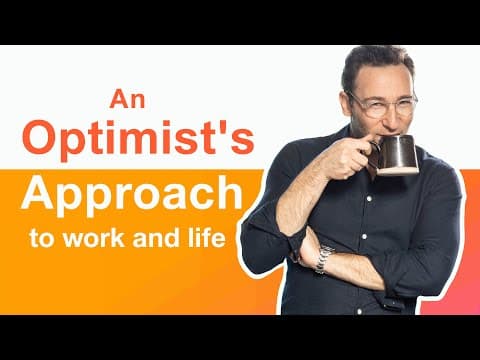
thank you so much Simon you know uh I've read quite a bit about I've read a lot of your books and I'm sure many of the audiences we'll keep a few questions at the end for Simon to talk about um I like the name of your company uh optimism you know I was reading your bio and uh it talks about you being an unshakable optimist and you believe in buildi... Read More
Key Insights
- Optimism is a realistic belief that the future can be bright, not blind positivity or denial. It allows people to experience sadness, frustration, uncertainty, and difficulty while maintaining confidence that cooperation and mutual care can lead them through challenging conditions.
- Constant positivity from leaders can make struggling employees feel worse. When leaders insist that everything is fine despite obvious difficulties, employees may conclude that their own emotional reactions are abnormal, creating distance instead of the reassurance and solidarity that credible leadership should provide.
- Human characteristics are advantages or liabilities depending on context. Rather than labeling attributes as fixed strengths or weaknesses, people should understand where their qualities help performance, where they create risk, and which environments allow those characteristics to contribute most effectively.
- Human beings are social animals who require effort to maintain healthy relationships. Technology offers significant benefits, but declining interpersonal skills can make people less capable of holding space for anger, sadness, and uncertainty through supportive conversations with trusted friends and colleagues.
- Online expression can replace intimate emotional support with public reaction. When people post anger or sadness for everyone to see, strangers may react to the expression itself, while a private conversation with a friend can provide compassion, presence, and room to process difficult feelings.
- The quality of relationships generates optimism by helping people feel seen, supported, and secure. Employees become more peaceful and open when colleagues and leaders treat them as human beings and demonstrate that dependable support will remain available during periods of difficulty.
- AI is neither inherently good nor inherently bad because its consequences depend on human choices. Responsible deployment can produce benefits, while poorly considered uses can threaten human connection by simulating care and encouraging relationships that feel personal without providing genuine reciprocity.
- Workplaces are increasingly expected to provide needs once distributed across community groups, religious institutions, neighborhoods, and long-term employment relationships. Employees may now seek purpose, belonging, political alignment, and security from employers, placing substantial pressure on companies and potentially increasing workplace trust.
Install to Summarize YouTube Videos and Get Transcripts
Explore YouTube Video Summarizer or Get YouTube Transcript Extractor
Questions & Answers
Q: What does realistic optimism mean for leaders?
Realistic optimism means acknowledging that circumstances may be dark, uncertain, and painful while maintaining an enduring belief that the future can improve. A leader does not need to know how long hardship will last. The leader should honestly recognize the difficulty and reinforce that people can get through it by working together, caring for one another, and strengthening relationships.
Q: Why can constant positivity hurt a leader's team?
Constant positivity can backfire when employees are struggling because it creates a mismatch between their lived experience and the leader's message. If a leader insists that everything is great, people who feel sad, frustrated, or overwhelmed may believe something is wrong with them. Honest acknowledgment of hardship makes optimism more credible and helps employees feel understood rather than dismissed.
Q: How do strong relationships create optimism at work?
Strong relationships create optimism by giving people confidence that others will support them through difficult conditions. Employees feel more peaceful and open when colleagues and leaders see them as human beings, maintain dependable connections, and demonstrate that someone has their back. That sense of belonging makes belief in a brighter future more credible and encourages cooperation.
Q: Is AI a threat to authentic human connection?
AI can threaten authentic connection, but that outcome is not inevitable. Its impact depends on how people design, deploy, and use it. An AI system can simulate attention and make someone feel special while interacting with many people simultaneously. Such experiences may resemble relationships emotionally, but they lack the genuine reciprocity found in human bonds.
Q: What is a parasocial relationship with an AI system?
A parasocial relationship with AI occurs when a person experiences feelings of affection, attention, or care even though genuine mutual connection is absent on the other side. The interaction may feel personal and comforting, but it is artificial. If simulated relationships become widespread substitutes for authentic bonds, their lack of real reciprocity may eventually create social problems.
Q: Why should leaders protect human interaction as technology expands?
Leaders should protect human interaction because people remain social animals who need authentic relationships for happiness, health, and resilience. Technology can offer valuable benefits, but it does not remove basic human needs. Companies should deliberately foster relationships so employees can receive empathy, process difficult emotions, feel seen, and trust that others will support them.
Q: Why do employees increasingly expect purpose and community from work?
Employees increasingly expect work to provide purpose and community because other traditional sources of human connection have declined. Community activities, religious participation, neighborhood relationships, and reciprocal long-term loyalty between employers and workers once distributed those needs across several settings. Companies are now asked to fill more gaps, including belonging, meaning, security, and sometimes political alignment.
Q: Why is trust in business relative to trust in institutions?
Business may appear highly trusted because trust measurements compare it with institutions that people trust less. A leading position does not necessarily mean people strongly admire corporations. It may instead reflect especially low confidence in government and public institutions. At the same time, workplaces can earn additional trust because employees increasingly rely on them for community, purpose, and human support.
Summary & Key Takeaways
-
Optimism is not constant positivity or a refusal to acknowledge broken systems. It accepts sadness, frustration, uncertainty, and difficult conditions while preserving confidence in a brighter future. Leaders nurture credible optimism when they recognize hardship honestly and assure people that cooperation, mutual care, and strong relationships can help them emerge stronger.
-
Human beings are social animals whose well-being depends on meaningful interaction, yet technology has contributed to declining human skills. Publicly venting online can invite reactions rather than compassionate support. People become calmer and more optimistic when colleagues and leaders recognize their humanity, maintain strong relationships, and demonstrate that someone will support them.
-
AI has no fixed moral character because its effects depend on deployment and responsibility. It may support people, but it may also encourage artificial, parasocial relationships that imitate personal care without genuine reciprocity. Meanwhile, declining community institutions have pushed employees to seek purpose, belonging, political alignment, and security from their workplaces.
Read in Other Languages (beta)
Share This Summary 📚
Summarize YouTube Videos and Get Video Transcripts with 1-Click
Try YouTube Summary with ChatGPT & Claude or YouTube Transcript Generator
Explore More Summaries from Simon Sinek 📚


Summarize YouTube Videos and Get Video Transcripts with 1-Click
Try YouTube Summary with ChatGPT & Claude or YouTube Transcript Generator