What Are the Myths About Climate Change?
TL;DR
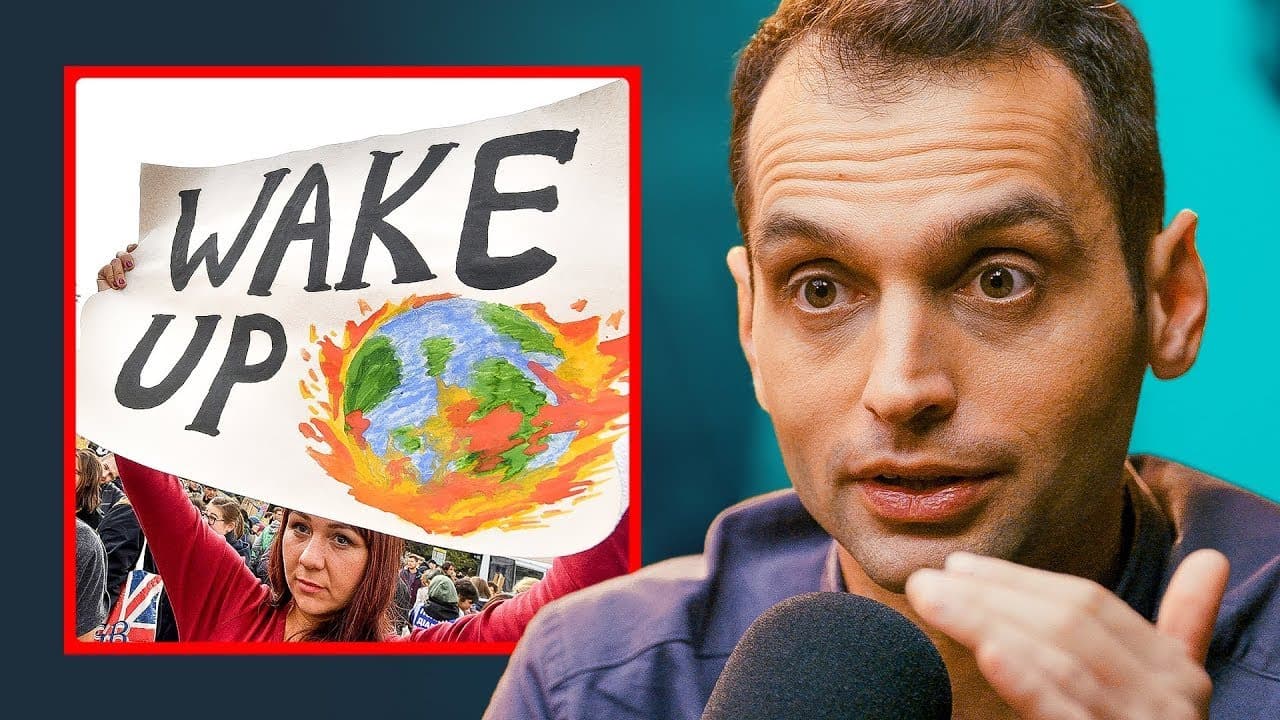
The climate change narrative often misses historical context and promotes inaccuracies. Proposed solutions may be misguided, driven by hysteria rather than logic, and fail to consider the potential negative impacts on vulnerable communities. It's crucial to question the mainstream discourse and examine the facts behind climate trends.
Transcript
interesting what you said earlier about there are certain things that they're able to do that we're not you like factchecking and stuff they're also because of how they're incentivized and subsidized and the expectations like non-sexy stories you know digging into weather and accounts and stuff tell me which YouTube channel is going to predict tomo... Read More
Key Insights
- 💁 The climate change narrative spreads historical ignorance and inaccurate information.
- 🖤 The proposed solutions to climate change lack logical reasoning and may have unintended negative consequences.
- 🪛 The conversation surrounding climate change is driven by hysteria and a cult-like atmosphere.
- 🛟 Historical climate events can serve as evidence to challenge the current narrative.
- 🍝 Climate-related deaths have decreased significantly over the past century.
- ✋ The focus on achieving zero emissions may result in higher energy costs and negative impacts on vulnerable populations.
- 😨 The fear and urgency surrounding climate change contribute to a doomsday narrative and groupthink mentality.
- 🎙️ More videos with Konstantin Kisin:
Install to Summarize YouTube Videos and Get Transcripts
Explore YouTube Video Summarizer or Get YouTube Transcript Extractor
Questions & Answers
Q: How has the climate change narrative spread historical ignorance?
The content suggests that claims about the weather in ancient Rome and Scotland are exaggerated and misleading. The growth of grapes on Hadrian's Wall during Roman occupation challenges the notion that the climate has dramatically changed over time.
Q: What is strange about the conversation around climate change?
The content finds the conversation on climate change to be illogical and the proposed solutions to be nonsensical. It raises concerns about the cost and feasibility of certain actions and the negative consequences they may have, such as making energy more expensive for vulnerable groups.
Q: What is the cult-like atmosphere surrounding climate change?
The content suggests that there is a hysteria and mass panic associated with the climate change narrative. It highlights the indoctrination of children and the appeal of a doomsday narrative. The fear and urgency surrounding the issue contribute to the cult-like behavior.
Q: Why are historical climate events used to challenge the current climate change narrative?
By citing examples of past climate events, such as the cooling period in the 1970s, the content emphasizes the shift in popular fears and the trend of cycles in public concern. It suggests that the current narrative may not be as dire as it is portrayed.
Summary & Key Takeaways
-
The climate change narrative spreads historical ignorance and inaccurate information, such as misleading claims about the weather in ancient Rome and Scotland.
-
The conversation on climate change is illogical and the proposed solutions do not make sense.
-
The issue is being approached in a strange and hysterical way, with a cult-like atmosphere surrounding the topic.
Read in Other Languages (beta)
Share This Summary 📚
Summarize YouTube Videos and Get Video Transcripts with 1-Click
Try YouTube Summary with ChatGPT & Claude or YouTube Transcript Generator
Explore More Summaries from Chris Williamson 📚





Summarize YouTube Videos and Get Video Transcripts with 1-Click
Try YouTube Summary with ChatGPT & Claude or YouTube Transcript Generator