What caused the Poly Market influencer scandal in 2026?
TL;DR
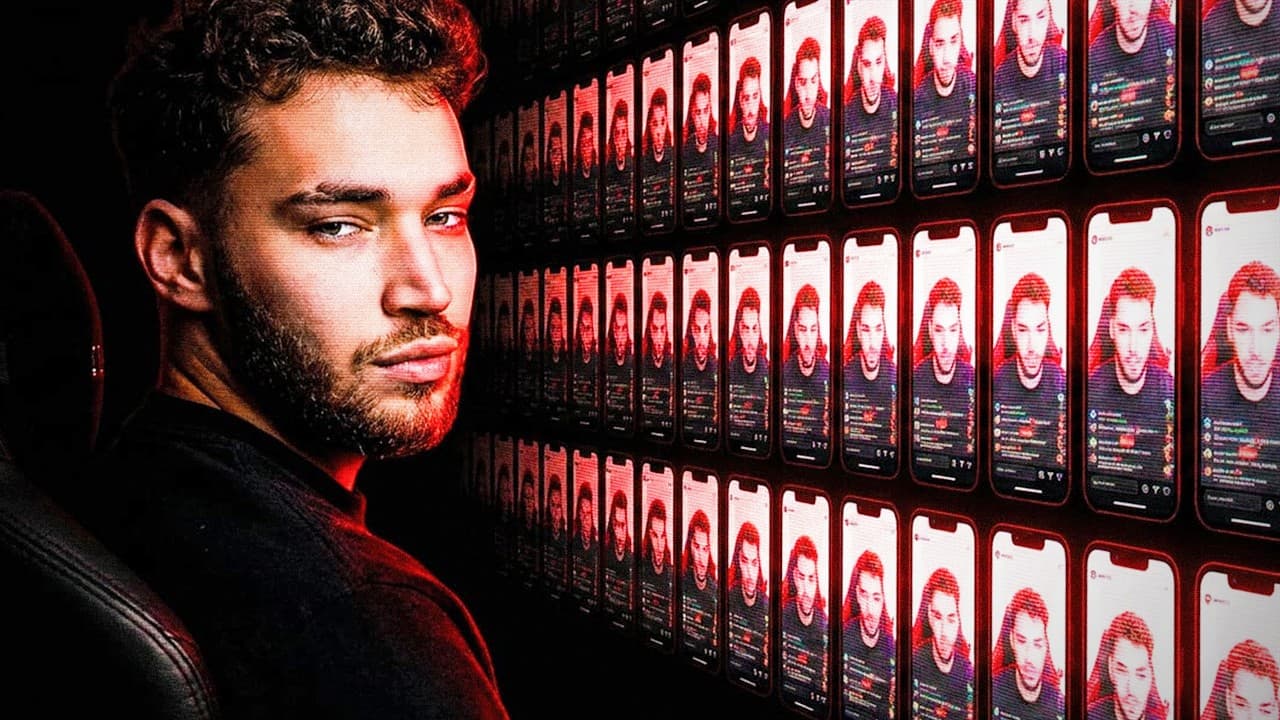
The investigation found that a large influencer campaign for Poly Market used fake wins and a lookalike site to simulate successful bets. Creators were paid to post videos without disclosing sponsorships, and a network of clipper accounts helped boost reach. The WSJ and Politico reports prompted plans for audits and greater scrutiny of influencer marketing in prediction markets.
Transcript
This video is made possible by Shopify. Around mid 2025, a certain type of video starts appearing on social media. Small-time influencers placing huge weird bets on Poly Market. Things like Donald Trump will publicly say McDonald's this month and Jesus won't return before GTA 6 comes out. Will Trump say Will Trump go to China? Trump say, "Will Jesu... Read More
Key Insights
- Poly Market ads used fake wins that could be replicated by capitalizing on a lookalike site, not actual trades on the platform.
- A covert network paid creators to film fake victories and instructed them to hide sponsorships, undermining audience trust.
- Clippers were hired to repost content across platforms and were told to avoid disclosing Poly Market ties in usernames or bios.
- The deception relied on viral amplification through sock puppet accounts to inflate perceived success rates.
- Investigative reporting traced payments to high-profile influencers who did not disclose compensation, violating advertising norms.
- The fake content was designed to resemble genuine Poly Market activity, creating a sense of legitimacy and urgency to invest.
- Poly Market publicly claimed commitment to accurate markets and announced plans to audit active promotional content.
- Regulatory and platform scrutiny increases as investigations reveal widespread undisclosed paid promotions in the campaign.
Install to Summarize YouTube Videos and Get Transcripts
Explore YouTube Video Summarizer or Get YouTube Transcript Extractor
Questions & Answers
Q: What is the core allegation about Poly Market in the 2026 campaign?
The core allegation is that Poly Market used a coordinated influencer campaign featuring fake bets and a lookalike site to simulate large wins, while paying creators to post content without disclosing sponsorships. The aim was to create an illusion of profitability and legitimacy, driving engagement and interest in the platform without transparent marketing disclosures.
Q: How were the fake bets presented to viewers?
Viewers were shown videos with bets that appeared to win large sums, but investigations found the wins were not actual trades on Poly Market. A fake site, not the real platform, was used, and editing created a false impression of real-time favorable bets to entice viewers to trust and engage with the content.
Q: What role did lookalike sites play in the campaign?
Lookalike sites played a crucial role by mimicking Poly Market closely enough to fool viewers into thinking trades were placed on the platform. The capital I misread as an L tricked users into a fake domain, enabling creators to film imagined winnings that did not exist on the real site.
Q: Who were the people behind the clipper network?
The clipper network consisted of individuals paid to repost videos across TikTok, YouTube, and Instagram, using sock puppet accounts to boost virality. They were instructed to appear natural and refrain from linking back to Poly Market, thereby masking the promotional nature of the content.
Q: What disclosures were missing in the promotional content?
The promotional content omitted clear disclosures of sponsorships or payments from Poly Market. Creators were ordered not to reveal compensation, making the endorsements appear as independent opinions rather than paid advertisements.
Q: What did journalists find about the earnings claimed in videos?
Journalists found that the claimed earnings were inflated or fabricated. The combined effect of fake wins and unreliability of the platform's public records meant real trades could not be verified, undermining trust in the apparent success stories.
Q: What actions did Poly Market say it would take in response to the findings?
Poly Market stated it was committed to fair and transparent markets and planned to conduct an audit of active promotional content. The company indicated a willingness to evaluate how it engages with audiences and to address concerns raised by investigations.
Q: What broader implications do these findings have for influencer marketing?
The findings highlight risks around undisclosed paid promotions and inauthentic engagement in influencer marketing. They underscore the need for clearer sponsorship disclosures, platform scrutiny, and potential regulatory oversight to protect consumers from deceptive campaigns and to preserve trust in online advertising.
Summary & Key Takeaways
-
A media investigation exposed a deceptive influencer campaign around Poly Market, revealing fake bet wins and a mimic site used to mislead viewers.
-
Journalists traced earnings and partnerships, showing payments to creators and a strategy to keep sponsorships undisclosed, undermining trust in online endorsements.
-
The findings prompted calls for transparency and potential audits of promotional content in digital markets and influencer campaigns.
Read in Other Languages (beta)
Share This Summary 📚
Summarize YouTube Videos and Get Video Transcripts with 1-Click
Try YouTube Summary with ChatGPT & Claude or YouTube Transcript Generator
Explore More Summaries from fern 📚

Summarize YouTube Videos and Get Video Transcripts with 1-Click
Try YouTube Summary with ChatGPT & Claude or YouTube Transcript Generator