How to protect a YouTube channel from deletion and stay compliant
TL;DR
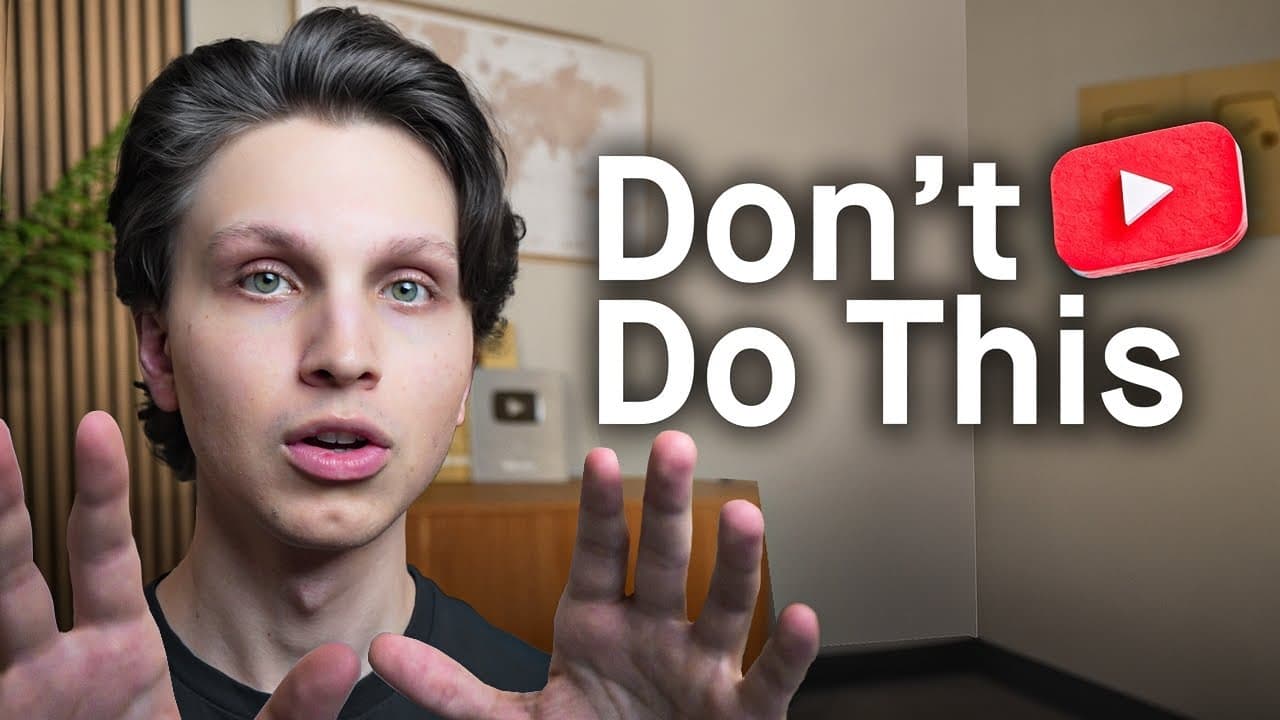
Channel deletions largely come from automated enforcement and policy shifts. The video shares a protection system, discusses the five big mistakes that trigger terminations, and explains early warning signs to monitor. It also emphasizes responsible use of AI and avoiding template based mass content for long term safety.
Transcript
Imagine you woke up and you found out that your YouTube channel was permanently deleted. No warning, no notice, no nothing. This is the exact reality that thousands of creators are facing right now. But there is a solution to it, and I'm about to share it with you. If you're running a YouTube channel, it's a really good idea that you're watching th... Read More
Key Insights
- The enforcement landscape shifted to automated processing with 96.6 percent of removals handled by algorithms.
- Most terminations, about 96 percent, come from spam and deceptive practices, which can affect legitimate business channels as well.
- A violative view rate exists, with 6 to 8 percent of views considered policy violating, underscoring how few violations trigger major actions.
- There is a five mistake framework: fair use assumptions, AI content without disclosure, pattern based harassment, template based videos, and failing to monitor early warnings.
- YouTube opened new inauthentic content rules on July 15th 2025 that changed monetization eligibility for many creators.
- Disclosing AI use is now required as part of YouTube’s upload process to avoid demonetization risk.
- Channels should include substantial human input and avoid purely template generated content to stay within guidelines.
- Early warning signs of risk can precede strikes, and failing to act can lead to rapid channel deletions.
- More videos from this channel:
- More from this channel: Make Money Matt
Install to Summarize YouTube Videos and Get Transcripts
Explore YouTube Video Summarizer or Get YouTube Transcript Extractor
Questions & Answers
Q: How can I protect my YouTube channel from deletion according to the video
The video recommends adopting a protection system that accounts for YouTube enforcement shifts, focusing on avoiding five major mistakes and monitoring early warnings. It emphasizes the importance of substantial human input, responsible AI use, and avoiding mass template based content. By following these guidelines, creators can reduce the risk of terminations and maintain a sustainable presence on the platform.
Q: What is the role of automated systems in YouTube terminations
Automated systems now process the vast majority of removals, making it essential for creators to understand how algorithms evaluate content. Since 96.6 percent of removals are algorithm driven, creators should align their practices with policy expectations, ensuring that content does not trigger automated violations and that monetization pathways remain intact.
Q: What does the term violative view rate mean for creators
The violative view rate refers to the portion of views that come from content that violates policies. It sits at about 6 to 8 percent, meaning a minority of views are policy violating, but even this small fraction can influence enforcement decisions and profitability, underscoring the need for careful content review.
Q: What are the five biggest mistakes leading to channel deletions
The five mistakes are: assuming fair use protects content without proper verification, using AI content without proper disclosure, pattern based harassment targeting individuals, relying on template based mass produced videos, and failing to monitor early warnings that indicate risk of deletion. Avoiding these helps reduce risk.
Q: How does YouTube’s inauthentic content policy impact creators
The new inauthentic content rules changed monetization eligibility, affecting many creators who may not realize the updates. This means channels must adapt by ensuring content authenticity, avoiding synthetic material misrepresentation, and clearly disclosing AI usage when required to maintain brand partnerships and monetization status.
Q: Why is it risky to rely on fair use and attribution alone
Relying solely on fair use and attribution does not guarantee protection because YouTube’s Content ID system processes a vast number of takedowns annually and disputes are not always resolved in favor of uploaders. The video cautions creators that attribution alone is insufficient protection against takedowns.
Q: What does the video suggest about AI usage in videos
AI can be used but not exclusively or mass produced without human input. The channel should involve substantial human involvement to maintain originality and comply with policies. The video warns against full automation and emphasizes responsible use to avoid demonetization or disqualification from the partner program.
Q: What happens if a channel receives multiple warnings or strikes
If a channel receives three strikes, it can be deleted. Early warnings should not be ignored, as neglecting them led the narrator to face a rapid escalation to strikes. Proactive action to address warnings can protect the channel and prevent potential deletion.
Summary & Key Takeaways
-
The video explains that automated systems account for the majority of content removals and that spam and deceptive practices drive most terminations, highlighting the need for careful content strategy.
-
A clear system is promised to help creators survive enforcement, including avoiding common mistakes and monitoring early warnings to protect channels from deletion.
-
The presenter cites real world examples of channels that faced terminations and stresses practical steps to reduce risk and maintain a sustainable YouTube business.
Read in Other Languages (beta)
Share This Summary 📚
Summarize YouTube Videos and Get Video Transcripts with 1-Click
Try YouTube Summary with ChatGPT & Claude or YouTube Transcript Generator
Explore More Summaries from Make Money Matt 📚



Summarize YouTube Videos and Get Video Transcripts with 1-Click
Try YouTube Summary with ChatGPT & Claude or YouTube Transcript Generator