How to Extract Lidocaine from Anal Lubricant Effectively?
TL;DR
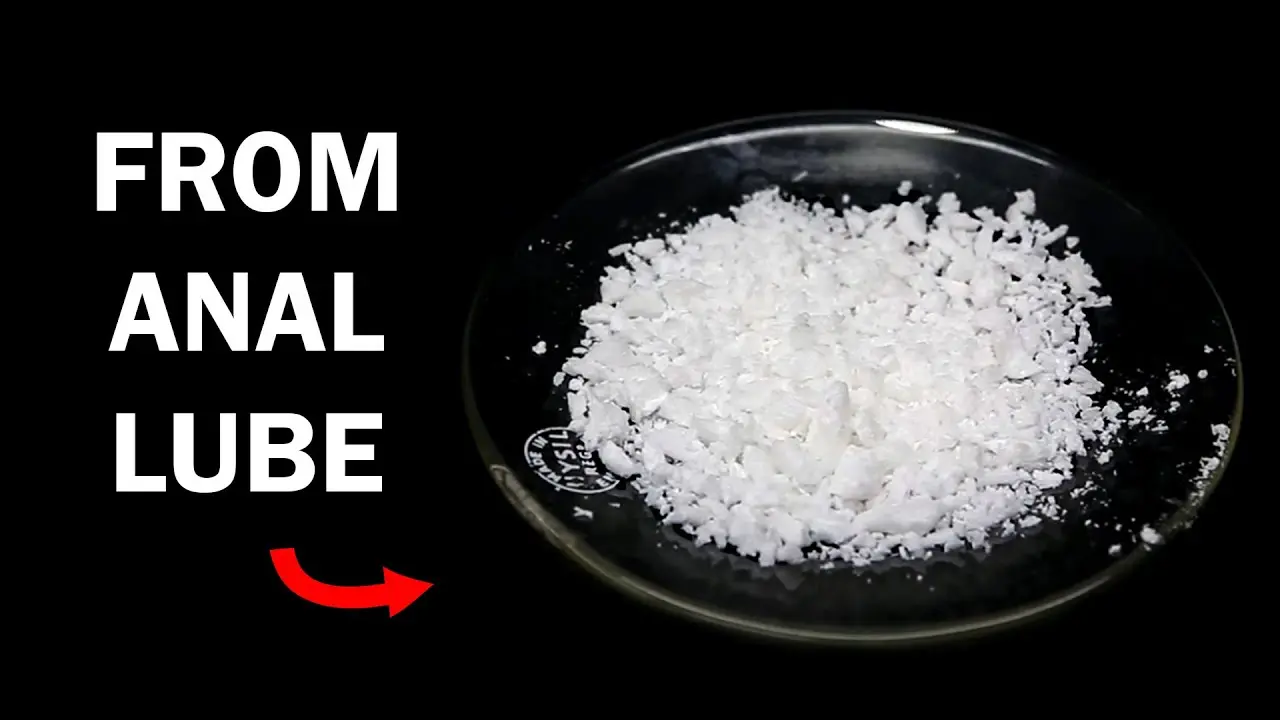
To extract lidocaine from an anal lubricant, dissolve the product in water, add sodium hydroxide to neutralize it, and isolate the lidocaine using vacuum filtration. Wash the lidocaine with distilled water, dissolve it in ethanol, filter the solution, and slowly add water to crystallize the lidocaine.
Transcript
lidocaine is a pretty potent local anesthetic that has a lot of different applications the most familiar use is probably the use by the dentist to numb your teeth it's also used in other things like creams and topical ointments for minor pain relief in this video I'm going to be extracting some lidocaine from an over-the-counter product but in a fu... Read More
Key Insights
- 😱 Lidocaine is commonly used by dentists and in topical creams for pain relief.
- 💦 The extraction process involves dissolving the product in water and adding sodium hydroxide to form lidocaine hydrochloride.
- ❓ Vacuum filtration is necessary to isolate the lidocaine.
- 💦 The lidocaine is then washed with water, dissolved in ethanol, filtered again, and crystallized.
- 🫠 Drying lidocaine in an oven can result in melting and loss of product.
- 💦 The extraction method may not work with all products containing lidocaine.
- ✋ Higher lidocaine concentrations in products yield more efficient extractions.
Install to Summarize YouTube Videos and Get Transcripts
Explore YouTube Video Summarizer or Get YouTube Transcript Extractor
Questions & Answers
Q: What is lidocaine and what are its common uses?
Lidocaine is a local anesthetic used by dentists to numb teeth and in creams for pain relief.
Q: How is lidocaine extracted from an over-the-counter product?
The extraction process involves dissolving the product in water, adding sodium hydroxide to form lidocaine hydrochloride, and isolating the lidocaine through vacuum filtration.
Q: How is the lidocaine purified after filtration?
The lidocaine is washed multiple times with water to remove impurities, dissolved in ethanol, filtered again, and crystallized to obtain the final product.
Q: Are there any tips for a successful lidocaine extraction?
Working with products that have a high lidocaine concentration and avoiding extraction with organic solvents can improve the efficiency of the extraction process.
Summary & Key Takeaways
-
Lidocaine is a potent local anesthetic used by dentists and in creams for pain relief.
-
The extraction process involves dissolving the product in water, adding sodium hydroxide to form lidocaine hydrochloride, and isolating the lidocaine through vacuum filtration.
-
The lidocaine is then washed multiple times with water, dissolved in ethanol, filtered again, and crystallized to obtain the final product.
Read in Other Languages (beta)
Share This Summary 📚
Summarize YouTube Videos and Get Video Transcripts with 1-Click
Try YouTube Summary with ChatGPT & Claude or YouTube Transcript Generator
Explore More Summaries from NileRed 📚
Summarize YouTube Videos and Get Video Transcripts with 1-Click
Try YouTube Summary with ChatGPT & Claude or YouTube Transcript Generator