How to Face Life’s Challenges Without Reacting
TL;DR
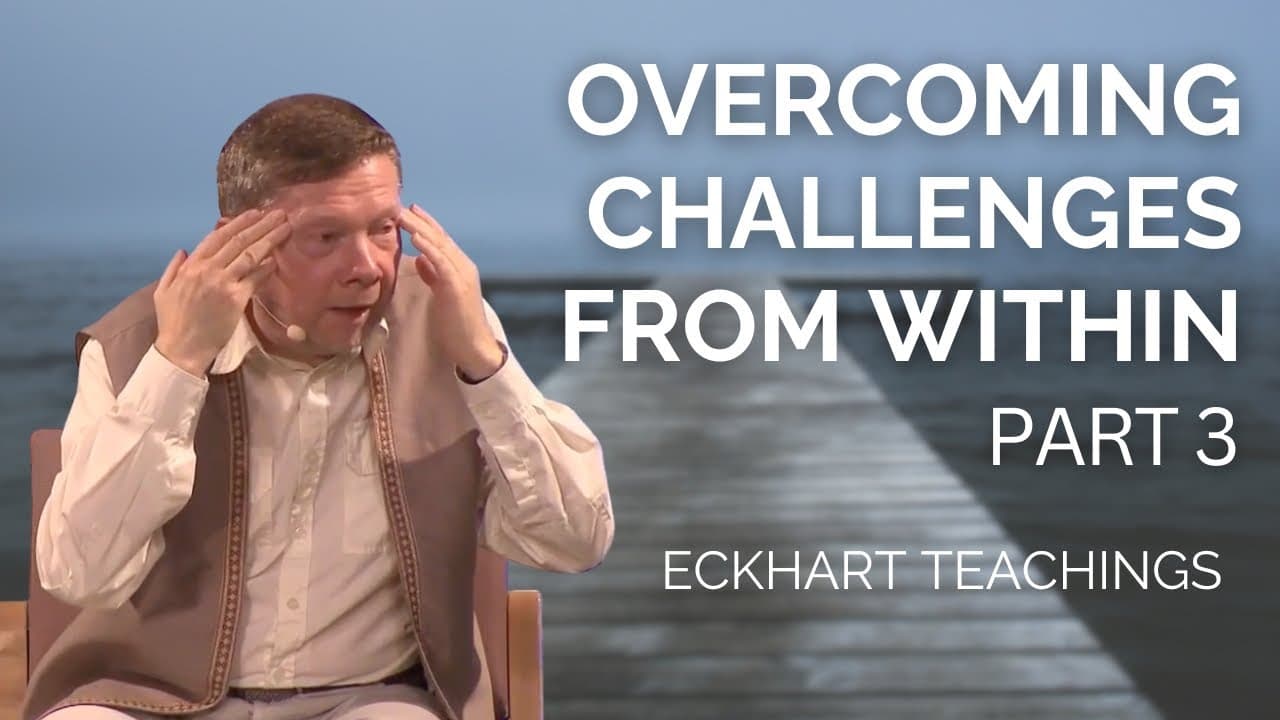
Most suffering comes not from external events, but from the unobserved mind’s interpretations, narratives, and reactions. By becoming intensely present, you can face a challenge as it is, take intelligent action when action is possible, and surrender when it is not. This prevents a small difficulty from becoming an amplified cycle of anger, conflict, and unhappiness.
Transcript
Only part of the challenges of life come from out so seemingly outside of you through other people and events and things that happen. And a a very great part of challenges actually come from your own mind. And that is I would suggest the greater part of challenges in your life are not through external events although yes they also happen but the gr... Read More
Key Insights
- The greater part of life’s challenges can come from the unobserved mind, including its narratives, dysfunction, conditioning, and misinterpretations. External events still occur, but mental commentary often turns a straightforward difficulty into a larger source of suffering and personal unhappiness.
- Mental conditioning can prevent a person from separating what actually happened from an interpretation of what happened. Seeing that distinction makes it possible to stop complaining, face the challenge directly, and treat the situation as an invitation to become more alert and present.
- Small disruptions are practical opportunities to strengthen presence. A canceled flight, unclear information, or surrounding anger can trigger unconscious reactivity, but the same circumstances can instead become signals to intensify awareness and respond intelligently to what is actually possible.
- Intelligent action arises from presence rather than emotional reaction. When a useful response is available, an alert person can take it without creating unnecessary conflict. When no action is possible, complete surrender allows waiting or changing plans without turning the delay into an unhappy personal drama.
- A serious prognosis can remove attention from an imagined future and bring someone fully into the present. Remaining present may produce intense alertness, elation, or a sense of aliveness deeper than ordinary happiness, even when the body’s future appears severely limited.
- The egoic sense of self depends on the past for its construction and the future for anticipated fulfillment. When psychological time falls away during crisis, that identity may temporarily dissolve, revealing a direct experience of life that had previously been obscured by mental narratives.
- Reactive behavior amplifies challenges through reciprocal escalation. Anger directed at another person can provoke anger in return, transforming a small inconvenience into major conflict. The same mechanism can spread from one individual to others and contribute to violence and warfare.
- Challenges often dissipate or transform more quickly when they are no longer resisted and amplified. Presence does not deny the circumstances. It changes the response, allowing helpful circumstances or new possibilities to emerge without the additional burden created by fighting reality mentally.
Install to Summarize YouTube Videos and Get Transcripts
Explore YouTube Video Summarizer or Get YouTube Transcript Extractor
Questions & Answers
Q: How can I face life’s challenges without reacting?
Face the immediate facts of the situation before accepting the mind’s interpretation of them. Become alert, notice the narrative forming, and ask whether a useful action is available. If action is possible, take it from a state of presence rather than anger or despair. If no action is possible, surrender to the present circumstances without creating an unhappy identity around them.
Q: Why does the mind create so much suffering?
The mind creates suffering by filtering events through conditioning, adding interpretations, and building narratives that cannot easily be separated from what actually happened. A difficult circumstance then becomes larger because the person complains, resists, predicts an unwanted future, or identifies as a victim. The unobserved mind therefore adds psychological suffering to challenges that may already require a practical response.
Q: How can a canceled flight become a practice in presence?
A canceled flight can serve as a signal to become more alert instead of joining the anger of other travelers. First, accept that the cancellation has happened and observe any reactive thoughts. Then determine whether a practical action is available. If it is, act calmly. If nothing can be done, wait, find a hotel, or sleep on a chair without turning the disruption into personal misery.
Q: What is the difference between action and reaction?
Action comes from alert attention to the present situation, while reaction comes from unconscious anger, fear, despair, or mental resistance. Present action addresses what can actually be changed without adding unnecessary conflict. Reaction amplifies the original challenge, often provoking another person to react in return. The practical behavior may involve speaking or making arrangements, but its inner source determines whether it is action or reaction.
Q: Why can a serious prognosis create intense presence?
A serious prognosis can make the imagined future feel unavailable, causing attention to return completely to the present moment. Some people then recognize that mentally projecting themselves into a future where they may no longer be alive creates unhappiness. By refusing to leave the present, they may experience unusual alertness, elation, or an intensified sense of aliveness that is deeper than ordinary happiness or unhappiness.
Q: How does the ego depend on past and future?
The egoic sense of self is constructed through the past and looks toward the future for fulfillment. It needs personal history to maintain its identity and anticipated time to complete its story. When a crisis removes the sense of having a future, this structure may collapse quickly. What remains can be a direct experience of presence and aliveness without the usual narrative about personal completion.
Q: How does reactivity turn a small problem into major conflict?
Reactivity adds anger, accusation, and resistance to the original problem, encouraging other people to respond in the same way. A confined seat or canceled flight may begin as a limited inconvenience, but shouting or aggressive behavior can produce reciprocal escalation, involve authorities, disrupt a plane, or lead to imprisonment. The same pattern can spread between individuals and eventually contribute to violence and warfare.
Q: Do people need suffering to become more present?
Suffering can intensify presence and sometimes creates an opportunity for spiritual awakening, especially during severe loss, disaster, or a threatening prognosis. However, it is not necessary when a person voluntarily invites presence into everyday life. Practicing with smaller challenges develops alertness before a crisis occurs, changes how later difficulties are handled, and reduces the unconscious reactions that would otherwise amplify those difficulties.
Summary & Key Takeaways
-
Many challenges arise from the mind’s unobserved commentary rather than from external circumstances alone. Mental conditioning blends facts with interpretations, creating narratives that intensify discomfort. Recognizing this process allows a person to stop complaining, examine the actual situation, and become more alert whenever an everyday disruption or serious crisis occurs.
-
Small disruptions provide opportunities to practice presence before facing larger difficulties. When a flight is canceled, a person can avoid absorbing the surrounding anger, assess whether useful action is possible, and act without reactivity. If nothing can be done, surrender allows the situation to continue without creating an additional unhappy identity around it.
-
Serious adversity can produce intense presence when thoughts about the future fall away. A difficult prognosis, major loss, or disaster may expose a sense of aliveness deeper than ordinary happiness. Voluntarily practicing presence makes suffering less necessary as a teacher and helps prevent personal reactions from spreading into conflict, violence, or wider collective dysfunction.
Read in Other Languages (beta)
Share This Summary 📚
Summarize YouTube Videos and Get Video Transcripts with 1-Click
Try YouTube Summary with ChatGPT & Claude or YouTube Transcript Generator
Explore More Summaries from Eckhart Tolle 📚

Summarize YouTube Videos and Get Video Transcripts with 1-Click
Try YouTube Summary with ChatGPT & Claude or YouTube Transcript Generator