What Causes Self-Sabotage According to Carl Jung?
TL;DR
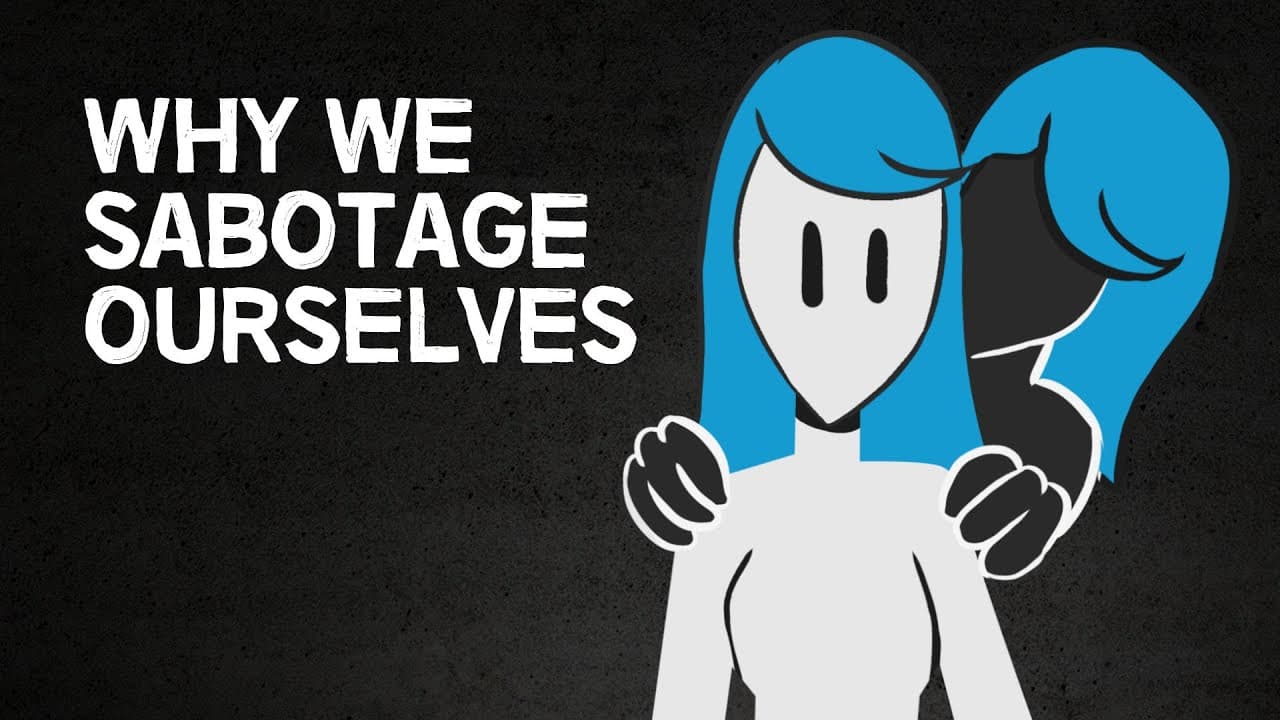
Self-sabotage occurs when repressed traits within the unconscious, referred to as the Shadow, act autonomously against conscious intentions. These 'mini-personalities' conflict with your goals, often undermining your success. To overcome self-sabotage, it's essential to integrate these repressed aspects by acknowledging their needs and aligning them with your conscious agenda.
Transcript
Consciousness succumbs all too easily to unconscious influences, and these are often truer and wiser than our conscious thinking. Also, it frequently happens that unconscious motives overrule our conscious decisions, especially in matters of vital importance. Carl Jung Many people tend to undermine their own agendas. To their frustration and bewild... Read More
Key Insights
- 🥺 The Shadow concept by Carl Jung reveals how repressed traits lead to self-sabotage.
- 🍽️ Shadow Aspects are autonomous elements of the personality that clash with conscious agendas, causing inner turmoil.
- 🤳 Overcoming self-sabotage involves integrating the Shadow by addressing repressed aspects and aligning them with conscious goals.
- 🤳 Recognizing and meeting the needs of Shadow Aspects can prevent self-sabotage behaviors.
- 🥺 Understanding the dynamics of the Shadow can lead to greater self-awareness and personal growth.
- 🥺 Repressed traits within the Shadow can influence behavior and decisions, leading to self-destructive patterns.
- 🉑 Integrating the Shadow involves acknowledging and accepting repressed aspects of the personality.
- 🎙️ More videos with Carl Jung:
Install to Summarize YouTube Videos and Get Transcripts
Explore YouTube Video Summarizer or Get YouTube Transcript Extractor
Questions & Answers
Q: What is Carl Jung's theory of the Shadow, and how does it contribute to self-sabotage?
Carl Jung's Shadow concept refers to repressed traits of the personality, creating autonomous elements that clash with conscious agendas, leading to self-sabotage.
Q: How can one overcome self-sabotage according to Jungian psychology?
Overcoming self-sabotage involves integrating the Shadow by acknowledging and addressing repressed aspects, aligning them with conscious agendas to prevent conflict.
Q: What role do Shadow Aspects play in self-sabotage behaviors?
Shadow Aspects are repressed parts of the personality with separate agendas, causing inner turmoil and self-sabotage when they conflict with conscious goals.
Q: Why do individuals self-sabotage according to the Shadow concept?
Self-sabotage occurs when repressed traits seek expression through autonomous Shadow Aspects, leading to conflicts with conscious intentions and actions.
Summary & Key Takeaways
-
Carl Jung's concept of the Shadow delves into how repressed traits lead to self-sabotage.
-
Repressed aspects of the personality form autonomous "mini-personalities" that clash with conscious agendas.
-
Overcoming self-sabotage involves integrating the Shadow by acknowledging and addressing its needs.
Read in Other Languages (beta)
Share This Summary 📚
Summarize YouTube Videos and Get Video Transcripts with 1-Click
Try YouTube Summary with ChatGPT & Claude or YouTube Transcript Generator
Explore More Summaries from Einzelgänger 📚

Summarize YouTube Videos and Get Video Transcripts with 1-Click
Try YouTube Summary with ChatGPT & Claude or YouTube Transcript Generator