Why Are Institutions Struggling with Succession Planning?
TL;DR
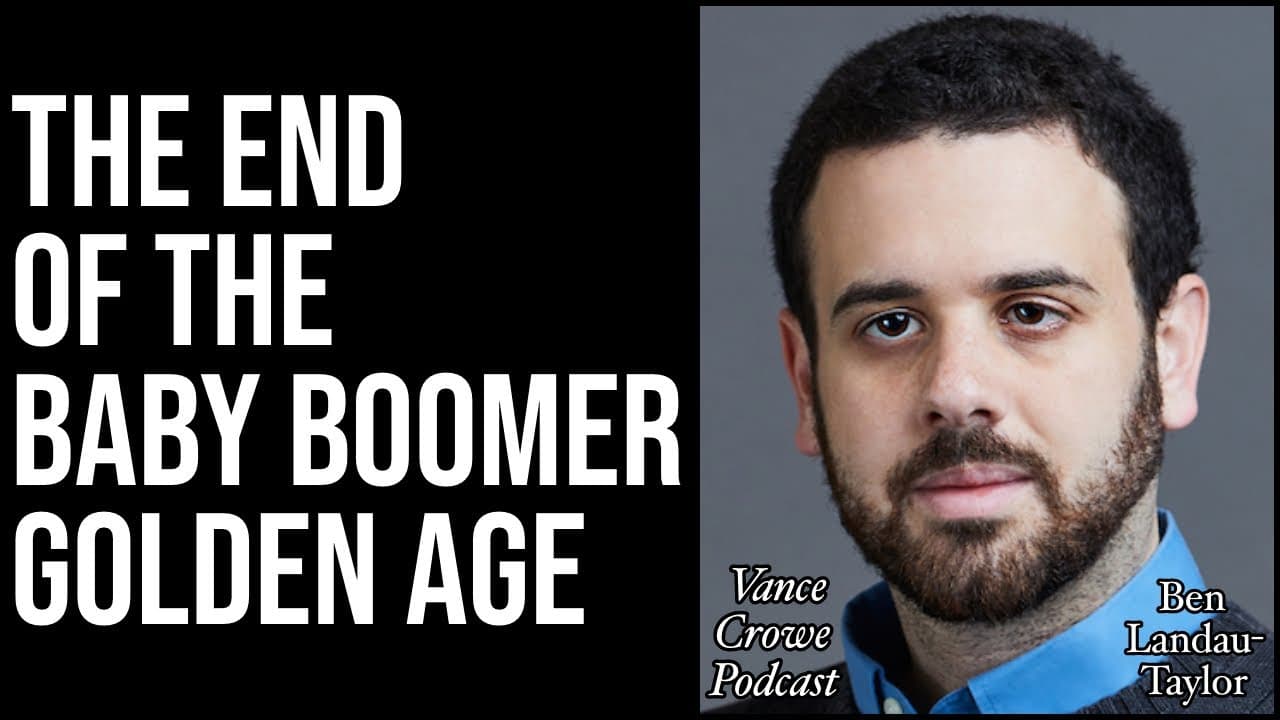
Institutions are struggling with stagnant leadership due to a lack of succession planning and prolonged tenure of older generations. This results in a vacuum of competent individuals ready to step into leadership roles, while bureaucratization prevents younger members from gaining essential experience and skills. The need for institutional restructuring is critical to empower the next generation.
Transcript
longer than uh they've been contributing into them and so like there are no management positions to move to there is no way to uh prevent the organization from becoming ossified because it's being run and instantiated by uh groups of old people yes what do you think of that yeah i think that this is true and there's this sort of perverse way that t... Read More
Key Insights
- 🥶 The lack of succession planning and an entrenched older generation contribute to institutional ossification and hinder the growth and development of younger individuals.
- 🖐️ Bureaucratization plays a significant role in preventing young people from gaining experience and learning important skills.
- 🙃 The MeToo movement illustrates the societal impact of institutional shake-ups and the need for accountability in positions of power.
- ❓ The current state of institutions, such as organizations and academia, requires institutional rejiggering and a focus on nurturing and empowering the younger generation.
- 🥺 While extreme large-scale violence is highly unlikely, the ongoing changes may lead to significant institutional shake-ups and maneuvering for position within the elite.
- 🥹 The cultural shift brought by the MeToo movement demonstrates the power of challenging norms and holding individuals accountable.
- 😜 The lack of opportunities for young individuals to learn and progress through the ranks stifles innovation and growth within institutions.
Install to Summarize YouTube Videos and Get Transcripts
Explore YouTube Video Summarizer or Get YouTube Transcript Extractor
Questions & Answers
Q: Why are institutions becoming stagnant and ossified?
The prolonged presence of older generations, lack of succession planning, and limited opportunities for younger individuals to learn and grow contribute to the stagnation and ossification of institutions.
Q: How does the lack of succession planning impact institutions?
The absence of succession planning results in a shortage of competent individuals who are prepared to take on leadership roles, creating a leadership vacuum and hindering growth and progress.
Q: What role does bureaucratization play in the institutional challenges?
Bureaucratization further exacerbates the issue by outsourcing tasks that could provide young people with valuable experience, preventing them from learning and interacting with others outside of academia or organizations.
Q: How does the MeToo movement relate to the institutional shake-up?
The MeToo movement highlighted the institutional shake-up by targeting powerful individuals, both within the celebrity realm and in behind-the-scenes roles, challenging cultural norms and demanding accountability.
Summary & Key Takeaways
-
Many institutions, including organizations and academia, are struggling with becoming ossified due to the prolonged presence of older generations at the top and a lack of opportunities for younger individuals to learn and grow.
-
The absence of proper succession planning leads to a shortage of competent individuals who are ready to step into leadership roles, creating a leadership vacuum.
-
Bureaucratization in institutions further exacerbates the issue by outsourcing tasks that young people could benefit from, preventing them from gaining valuable experience and skills.
Read in Other Languages (beta)
Share This Summary 📚
Summarize YouTube Videos and Get Video Transcripts with 1-Click
Try YouTube Summary with ChatGPT & Claude or YouTube Transcript Generator
Explore More Summaries from Samo Burja 📚


Summarize YouTube Videos and Get Video Transcripts with 1-Click
Try YouTube Summary with ChatGPT & Claude or YouTube Transcript Generator