How to Deploy an App to AWS Using Terraform and GitHub Actions?
TL;DR
To deploy an app on AWS with Terraform and GitHub Actions, define your infrastructure as code using Terraform scripts and set up GitHub Actions for automation. This process helps streamline deployments, reduces manual errors, and maintains consistency across environments. Regular monitoring of AWS resources is essential to avoid unexpected costs.
Transcript
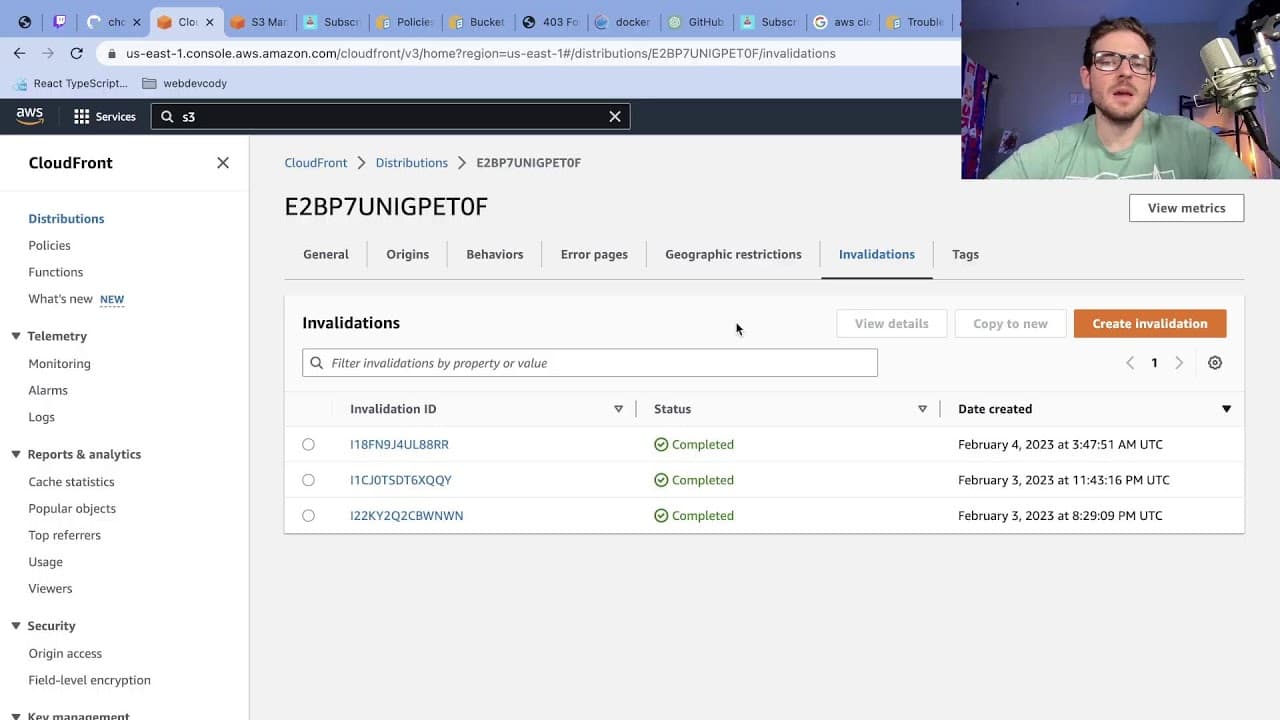
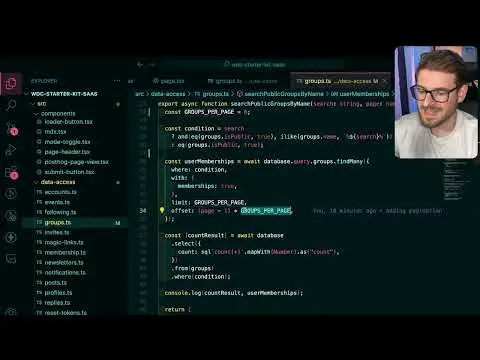
um let me check some stuff all right just making sure I'm uh all set up and that which is going and YouTube is going so I've been kind of working on trying to get my side project deployed using a variety of Amazon infrastructure as code tools uh mainly I've been using terraform for deploying out like the database the SES stuff the configuration for... Read More
Key Insights
- 😶🌫️ Terraform enhances deployment processes by allowing easy management and automation of cloud resources as code, preventing manual configuration errors.
- 👻 GitHub Actions enables seamless CI/CD workflows, allowing developers to automate the build and deploy process within their existing GitHub repositories.
- 👨💻 Using infrastructure as code tools makes scaling applications manageable and efficient, particularly in complex environments with multiple stages like development and production.
- 🔒 Developers should prioritize security practices, preventing exposure of sensitive credentials in repositories to avoid financial repercussions and resource mismanagement.
- 🦻 Docker aids in creating isolated environments for applications, guaranteeing consistency and reliability across various deployment stages and setups.
- 😶🌫️ Regularly monitoring cloud usage and resource costs is essential to prevent unexpected expenses, particularly for new users unfamiliar with AWS pricing structures.
- ⌛ CI/CD pipelines can significantly reduce the time required for deployment and increase the reliability of deployments through automation and error checking.
Install to Summarize YouTube Videos and Get Transcripts
Explore YouTube Video Summarizer or Get YouTube Transcript Extractor
Questions & Answers
Q: What is the role of Terraform in the deployment process?
Terraform, created by Hashicorp, is an Infrastructure as Code tool that allows you to describe the desired state for cloud resources through configuration files. These files define which resources to create and manage in environments like AWS. By using commands such as terraform apply, users can automate the provisioning of resources, ensuring consistency across development, staging, and production environments.
Q: How does GitHub Actions facilitate continuous integration and deployment?
GitHub Actions is a feature that allows users to automate workflows directly in their GitHub repositories. By defining workflows using YAML files, developers can specify actions to take on events, such as code pushes or pull requests. This integration seamlessly allows running tests, building applications, and deploying to cloud services when changes are made to codebases, improving the development lifecycle's efficiency.
Q: What precautions should developers take when using AWS?
Developers should regularly check their AWS billing dashboards to avoid unexpected charges, especially when working with resources like EC2 instances. They must also ensure that API keys or sensitive credentials aren't leaked in public repositories, as this can lead to unauthorized usage and incurring costs. Additionally, using monitoring tools and setting alerts can help manage resource usage effectively.
Q: How can one mitigate risks associated with deploying applications in the cloud?
To mitigate risks in cloud deployments, developers should implement a robust monitoring system, practice Infrastructure as Code with tools like Terraform, and follow security best practices by managing API keys and permissions wisely. It's also beneficial to use version control for configurations and routinely audit deployed resources to prevent unnecessary costs.
Q: What advantages does using a Docker container provide in the deployment process?
Docker containers encapsulate an application's environment, ensuring consistency across different stages of the deployment process. They allow developers to build, test, and run applications in a controlled setting, irrespective of the underlying infrastructure. This not only speeds up the deployment but also reduces the risk of discrepancies between environments, providing cleaner and more reliable builds.
Summary & Key Takeaways
-
The content details a live stream where the creator shares their experience deploying a side project using AWS infrastructure tools, focusing on Terraform and GitHub Actions for orchestration.
-
It emphasizes the importance of using Infrastructure as Code to manage deployments efficiently and avoid manual configuration errors, especially when scaling applications.
-
The discussion covers various DevOps topics, including potential costs of AWS services, best practices for coding securely, and personal insights into using modern frameworks and tools like Serverless and Docker.
Read in Other Languages (beta)
Share This Summary 📚
Summarize YouTube Videos and Get Video Transcripts with 1-Click
Try YouTube Summary with ChatGPT & Claude or YouTube Transcript Generator
Explore More Summaries from Web Dev Cody 📚

Summarize YouTube Videos and Get Video Transcripts with 1-Click
Try YouTube Summary with ChatGPT & Claude or YouTube Transcript Generator