How to Find Overlooked Remote Jobs Without a Degree
TL;DR
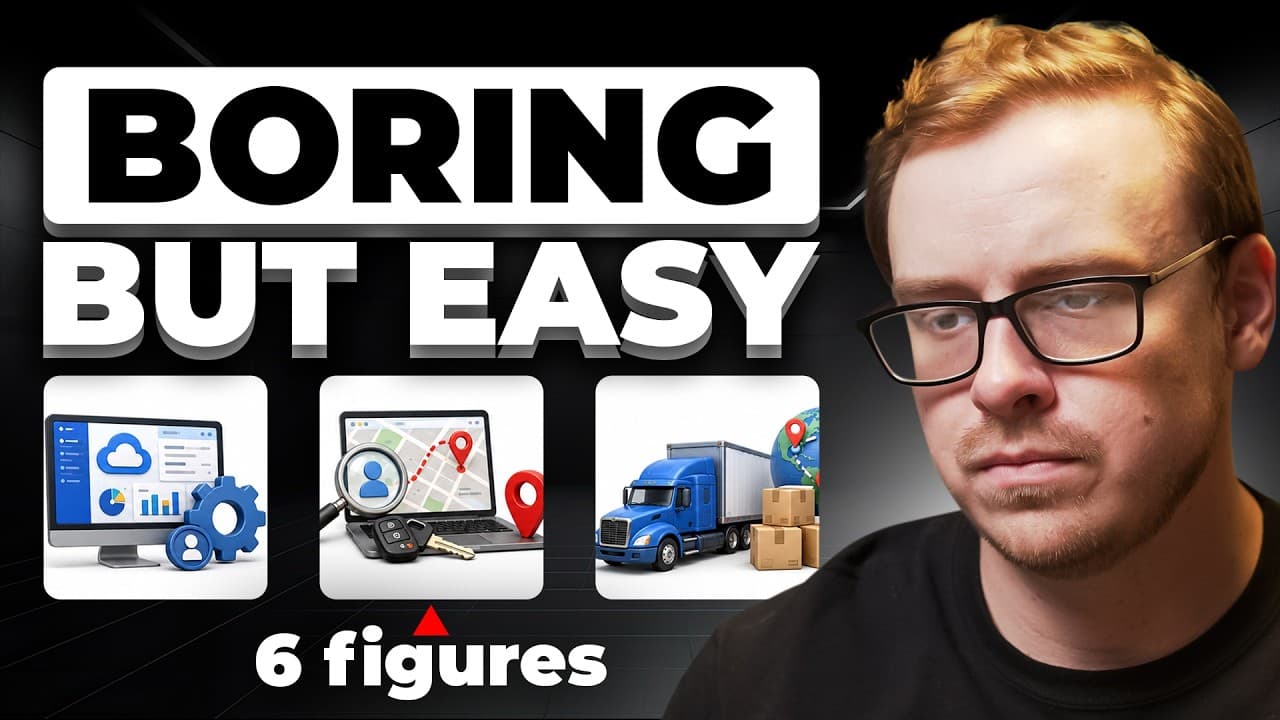
Search for overlooked remote roles using industry-specific titles such as biohazard dispatcher, asset locator, recovery coordinator, investigative analyst, or subject matter expert. These jobs may value empathy, communication, research ability, or specialized experience over degrees, while documenting a niche profession on YouTube can create an additional path to income and paid opportunities.
Transcript
Today I'm going to talk about some amazing boring online jobs that are always hiring and that pay five to six figures a year. And the companies hiring for these positions literally can't fill them fast enough. And this is coming from someone who has helped literally thousands of people get jobs. And when I say thousands, I mean we have thousands of... Read More
Key Insights
- Crime scene cleanup coordination is a remote back-office role that involves answering phones, supporting affected families, dispatching cleanup teams, working with insurance companies, and handling billing. The coordinator does not perform the physical cleanup or visit the scene.
- Crime scene cleanup coordinators can start at around $50,000 per year, according to the transcript. Commissions on larger jobs and on-call bonuses can increase earnings, with top coordinators described as clearing approximately $80,000 annually.
- Empathy and communication are central qualifications for crime scene cleanup coordination because workers speak with people during deeply distressing situations. The transcript says many companies train beginners and do not require a degree or certification, although emotional resilience is necessary.
- Skip tracing works by using public records, databases, social media, credit headers, address histories, and employment records to locate debtors or recoverable assets. The researcher builds a profile and passes the information to field personnel rather than conducting physical repossessions.
- Industry vocabulary is essential for finding remote recovery work because employers may advertise these positions as asset locator, recovery coordinator, or investigative analyst instead of skip tracer. Searching several related titles can uncover openings that candidates using only the obvious term may miss.
- Skip tracing typically starts around $40,000 in base pay, with commissions creating additional upside. The transcript cites posts describing some top earners above $100,000, but it also warns that income can vary from month to month as recovery work fluctuates.
- Subject matter expertise is valuable when a worker has extensive knowledge of a narrow industry, including trades such as welding or HVAC. Companies can pay these specialists to answer technical or niche questions, with the stated salary range spanning $80,000 to $130,000 annually.
- YouTube can turn specialized occupational knowledge into a public demonstration of expertise. The examples describe a crime scene cleanup company growing after documenting its work and an experienced tradesperson receiving paid requests for expertise and recommendations after starting a channel.
- More videos from this channel:
- More from this channel: Shane Hummus
Install to Summarize YouTube Videos and Get Transcripts
Explore YouTube Video Summarizer or Get YouTube Transcript Extractor
Questions & Answers
Q: How can I find overlooked remote jobs without a degree?
Search with the specialized vocabulary employers use rather than relying only on familiar job names. The transcript recommends terms such as crime scene cleanup coordinator, biohazard dispatch, remote skip tracer, asset locator, recovery coordinator, investigative analyst, and subject matter expert. Search Indeed, ZipRecruiter, and LinkedIn, then review direct openings from cleanup companies, lenders, credit unions, recovery firms, and other industry employers.
Q: What does a remote crime scene cleanup coordinator do?
A remote crime scene cleanup coordinator manages the office side of the response after a homicide, unattended death, or hoarding situation. The work includes answering calls, speaking empathetically with families, dispatching field teams, coordinating with insurance providers, and handling billing. The coordinator works from home and does not wear protective equipment, enter affected properties, or perform the physical cleanup.
Q: How much can a crime scene cleanup coordinator earn?
The transcript states that base pay begins around $50,000 per year. Commissions on larger cleanup jobs and bonuses for being on call can raise total compensation, with top coordinators described as earning about $80,000 annually. Applicants may receive training from scratch, and the role is presented as requiring empathy, solid communication, emotional resilience, and comfort discussing disturbing circumstances.
Q: How do I apply for remote biohazard dispatch jobs?
Search Indeed, ZipRecruiter, and LinkedIn for phrases such as “crime scene cleanup coordinator remote” and “biohazard dispatch.” The transcript identifies Spalding Decon, Aftermath Services, and BIO1 as national companies to investigate. Many employers are said to train new hires, while previous customer service or dispatch experience can help an applicant stand out during the hiring process.
Q: What does a remote skip tracer do?
A remote skip tracer locates people or assets for banks, credit unions, auto lenders, law firms, and recovery businesses. The worker searches public records, databases, social media, credit headers, address histories, and employment information, then assembles a profile for a field team. The role is performed behind a computer and does not involve personally repossessing vehicles or visiting debtors.
Q: Why are remote skip tracer jobs difficult to find?
Many employers do not list the position under the phrase “skip tracer.” The transcript says openings are often labeled asset locator, recovery coordinator, or investigative analyst, which hides them from candidates searching only the best-known title. Using several industry-specific search terms on Indeed and LinkedIn, checking recovery firms directly, and reviewing the Allied Financial Adjusters Conference of America job board can reveal more openings.
Q: How much can a remote repossession coordinator make?
The transcript places typical base pay at around $40,000 per year and says many positions add commissions. It also cites Reddit posts from top skip tracers reporting earnings above $100,000, though that figure is presented as an example rather than a guaranteed salary. The work can be full time or fit around another job, but monthly income may be inconsistent.
Q: How can industry experience become remote income?
Long-term experience in a specialized field can qualify someone to work as a subject matter expert who answers detailed questions for companies. The transcript gives welding and HVAC as examples and states that these roles may pay between $80,000 and $130,000, depending heavily on the industry. Publishing useful occupational knowledge on YouTube can also demonstrate expertise and attract requests for paid advice or recommendations.
Summary & Key Takeaways
-
Crime scene cleanup coordinators manage the back-office response to homicides, unattended deaths, and hoarding situations. Their remote duties include answering calls, supporting families, dispatching field teams, coordinating with insurers, and handling billing. The stated base salary begins around $50,000, while commissions and on-call bonuses can raise top earnings to about $80,000.
-
Remote repossession coordinators and skip tracers locate people or recoverable assets for lenders, credit unions, law firms, and recovery businesses. They research public records, databases, social media, credit headers, address histories, and employment information before transferring findings to field teams. Listings may use less obvious titles, including asset locator or investigative analyst.
-
Subject matter experts turn deep industry knowledge into remote advisory work by answering specialized questions for companies. The stated salary range is $80,000 to $130,000, although compensation varies substantially by industry. The transcript also presents YouTube as a way to demonstrate expertise, attract requests for recommendations, and build income from specialized knowledge.
Read in Other Languages (beta)
Share This Summary 📚
Summarize YouTube Videos and Get Video Transcripts with 1-Click
Try YouTube Summary with ChatGPT & Claude or YouTube Transcript Generator
Explore More Summaries from Shane Hummus 📚




Summarize YouTube Videos and Get Video Transcripts with 1-Click
Try YouTube Summary with ChatGPT & Claude or YouTube Transcript Generator