How will US steel plant in Iowa boost America?
TL;DR
Msabi Metallics will build the largest gel plant in American history in Iowa, creating up to 6,000 construction jobs and nearly 2,000 manufacturing and mining jobs, while contributing about 95 billion dollars to the US economy over ten years. The project emphasizes a domestic supply chain, American steel making, and tariff driven growth under the current administration.
Transcript
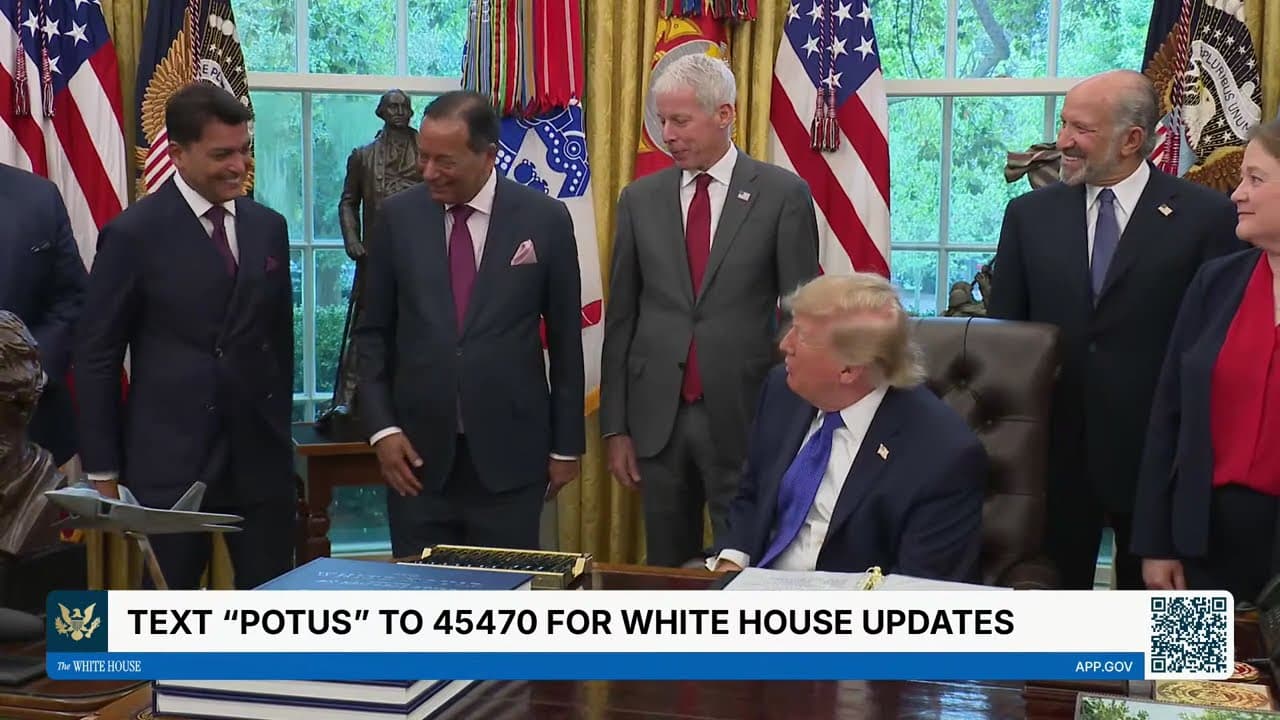
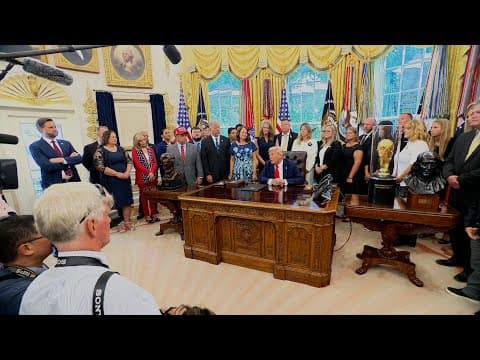
Well, thank you very much. It's great to be with you. We've had some big things happen over the last couple of days and we'll talk about it. But before I do that, I want to talk about something extremely extremely important. I'm delighted to welcome to the White House the founder and chairman of the SR group Robbie Roya as well as the chairman of R... Read More
Key Insights
- Msabi Metallics will build the largest gel plant in America, located in Iowa.
- The project is described as creating up to 6,000 new construction jobs and nearly 2,000 manufacturing and mining jobs.
- The investment is projected to add about 95 billion dollars to the US economy over ten years.
- The plan centers on a domestic supply chain with ore mined in Minnesota feeding the Iowa plant.
- Tariffs on foreign steel are cited as a driver for American steel industry growth.
- The initiative is framed as part of a broader re industrialization effort in the country.
- The President claims a surge in steel production and industrial activity as a result of the policy changes.
- The project includes a linked iron ore mine financing and an integrated steel plant in Iowa.
Install to Summarize YouTube Videos and Get Transcripts
Explore YouTube Video Summarizer or Get YouTube Transcript Extractor
Questions & Answers
Q: How will this investment affect American steel production in the near term?
The plan leverages tariffs on foreign steel to protect and expand domestic capacity, claiming that it will sustain and grow American steel production. By financing an iron ore mine in Minnesota and an integrated steel plant in Iowa, the initiative aims to shorten supply chains and reduce dependence on imports, potentially increasing output and jobs in the coming years.
Q: What is the scale of jobs expected from the project?
The administration states the project will create up to 6,000 construction jobs and nearly 2,000 manufacturing and mining jobs. These figures are presented to illustrate a broad employment impact across the initial build phase and ongoing operations, contributing to workforce growth in critical sectors of the economy.
Q: Where will the ore and steel be produced and processed?
Iron ore will be mined in Minnesota, described as the first new iron ore mine in more than 50 years, and the ore will feed a large integrated steel plant to be built in Iowa. The plan emphasizes producing steel in the United States using domestic ore and processing facilities.
Q: What economic impact besides jobs is described for this project?
The project is said to add about 95 billion dollars to the US economy over the next decade. This figure is framed as part of a broader re industrialization effort designed to stimulate economic activity, manufacturing output, and national security through domestic production.
Q: What role do tariffs play in this narrative?
Tariffs are described as a key policy tool that helped revive the steel industry by making imported steel more expensive, thus encouraging domestic production. The speaker mentions tariff-related profits and ties this to broader plans for job creation, investment, and resilience in American industry.
Q: What is claimed about Minnesota’s iron ore in this plan?
Minnesota’s iron ore is described as the highest quality ore and central to feeding the new Iowa steel plant. The speakers emphasize that opening the iron ore range supports a secure, domestic supply chain for steel production and helps supply the plant with necessary inputs without reliance on foreign sources.
Q: How is the project framed in terms of national security?
The initiative is framed as strengthening national security by rebuilding a robust American supply chain for critical metals like steel. By producing iron ore and processing it domestically, the plan aims to ensure the military and industrial sectors have reliable access to essential materials.
Q: Who are the main stakeholders highlighted in the announcement?
The speakers highlight the president, the founders of the SR group, the leaders of Msabi Metallics, government officials including secretary of commerce and energy, state officials from Iowa, Minnesota, and other contributors. This framing emphasizes a public private collaboration to advance industrial growth in the United States.
Summary & Key Takeaways
-
Msabi Metallics is announced to build the largest gel plant in American history in Iowa, signaling a major shift toward domestic production and a strengthened supply chain. The project is expected to generate significant employment across construction, manufacturing, and mining, and contribute billions to the national economy over the next decade.
-
The announcement frames the effort as part of a broader U.S. industrial revival, highlighting private capital, American iron ore, and tariffs that support domestic steel production. The narrative ties these elements to national security and economic independence.
-
The speakers emphasize collaboration among government officials, company leaders, and state partners to deliver a large-scale investment. They stress that the plan represents a deliberate move toward re industrialization and greater resilience in critical industries like steel and mining.
Read in Other Languages (beta)
Share This Summary 📚
Summarize YouTube Videos and Get Video Transcripts with 1-Click
Try YouTube Summary with ChatGPT & Claude or YouTube Transcript Generator
Explore More Summaries from The White House 📚


Summarize YouTube Videos and Get Video Transcripts with 1-Click
Try YouTube Summary with ChatGPT & Claude or YouTube Transcript Generator