How to Freeze-Dry Jell-O Gelatin Effectively
TL;DR
To freeze-dry Jell-O gelatin effectively, create a larger cold trap using nested aluminum pots with a stainless steel inner container to improve heat retention. This method reduces the risk of clogging and enhances efficiency, allowing for a sweet and light freeze-dried candy that's less dependent on excess heating.
Transcript
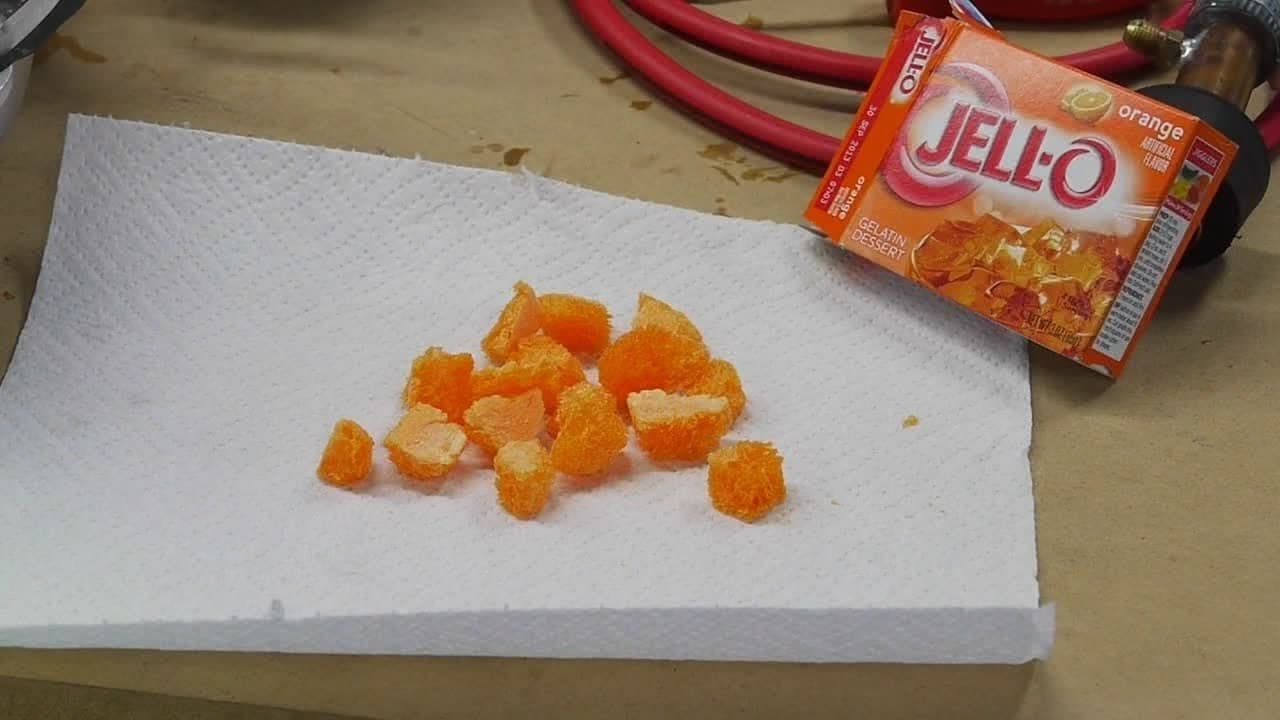
okay so here we have freeze-dried jell-o gelatin so this came out pretty similar to the astronaut ice cream but of course this is fat-free it's just gelatin and water and sugar so the structure is a little a little more rigid and breakable even than the astronaut ice cream I think there's still some fat left in the ice cream that makes it kind of a... Read More
Key Insights
- 🍦 Freeze-dried Jell-O gelatin has a different texture compared to astronaut ice cream due to the absence of fat.
- 🥶 The initial cold trap used in the astronaut ice cream experiment was not capable of handling the amount of water vapor produced.
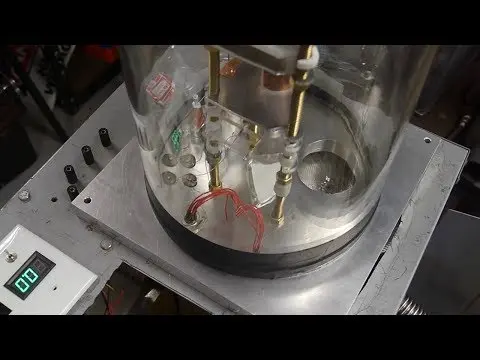
- 🥶 By designing a larger cold trap with a nested stainless steel pan, heat conductivity and cold temperatures were better controlled.
- 🍦 The freeze-dried Jell-O gelatin experiment required less heating compared to the astronaut ice cream experiment.
- 🥶 The design of the cold trap needs further improvement to accommodate more water and enhance efficiency.
- 🥵 The experiment consumed a significant amount of dry ice due to heat leakage through the plastic.
- 🍬 The freeze-dried Jell-O gelatin can be used as a sweet and light candy.
Install to Summarize YouTube Videos and Get Transcripts
Explore YouTube Video Summarizer or Get YouTube Transcript Extractor
Questions & Answers
Q: How does freeze-dried Jell-O gelatin compare to astronaut ice cream?
The freeze-dried Jell-O gelatin has a more rigid and breakable texture without any fat, while astronaut ice cream is softer due to the fat present even in its freeze-dried form.
Q: What was the issue with the initial cold trap used in the astronaut ice cream experiment?
The copper pipe used as a cold trap was not large enough to accommodate all the water vapor produced, causing the pipe to become completely plugged up.
Q: How did the experimenter modify the cold trap design?
Instead of using two of the aluminum pots, the experimenter opted for nesting a stainless steel pan inside the larger pot to prevent excessive heat conductivity and retain the cold temperature required for the process.
Q: How was the freeze-drying of Jell-O gelatin achieved in the experiment?
The experimenter froze the prepared Jell-O gelatin in an Erlenmeyer flask, and then placed it in a water cooler with dry ice and isopropanol to freeze it as quickly as possible. The flask was then hooked up to the vacuum system for freeze-drying.
Summary & Key Takeaways
-
The freeze-dried Jell-O gelatin has a rigid and breakable texture due to the absence of fat compared to astronaut ice cream.
-
The cold trap used in the previous experiment with astronaut ice cream was not large enough to hold all the water, leading to clogging.
-
To create a more effective cold trap, the experimenter used a set of aluminum pots nested together, with the inner container made of stainless steel for better heat retention.
Read in Other Languages (beta)
Share This Summary 📚
Summarize YouTube Videos and Get Video Transcripts with 1-Click
Try YouTube Summary with ChatGPT & Claude or YouTube Transcript Generator
Explore More Summaries from Applied Science 📚
Summarize YouTube Videos and Get Video Transcripts with 1-Click
Try YouTube Summary with ChatGPT & Claude or YouTube Transcript Generator