Why Is AI Content Flooding Social Media?
TL;DR
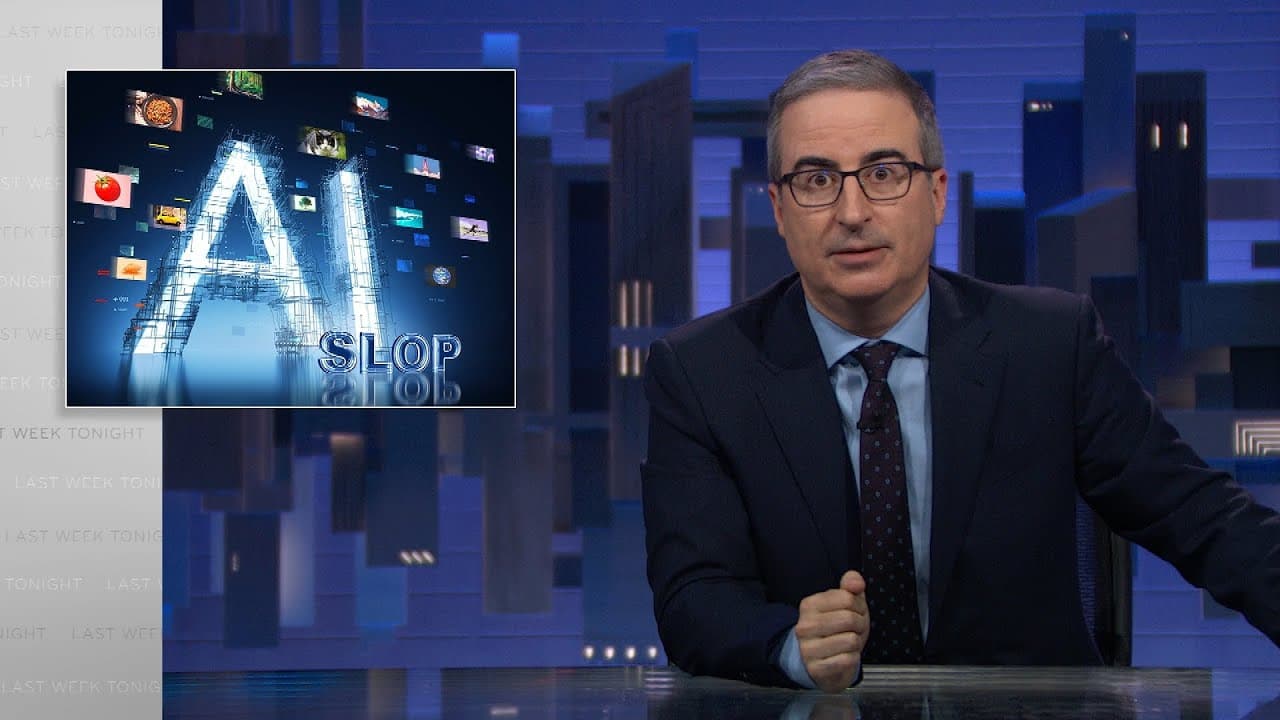
AI-generated content, known as 'AI slop,' is increasingly flooding social media platforms due to the ease of creating professional-looking content with AI tools. This trend poses multiple issues, including misinformation, decreased quality of online spaces, and the exploitation of real artists' work without compensation.
Transcript
♪ ("LAST WEEK TONIGHT" THEME MUSIC PLAYS) ♪ Our main story tonight concerns the internet. It gave us unprecedented access to the entirety of human knowledge, and more recently, this heartwarming video of a single cat raising his son alone, that takes, I'm gonna warn you, a very dark turn. ♪ ("A THOUSAND YEARS" BY CHRISTINA PERRI PLAYING) ♪ ♪ Meow m... Read More
Key Insights
- AI slop refers to mass-produced, AI-generated content that often appears on social media.
- AI tools have lowered the barrier to creating professional-looking content, leading to a surge in AI slop.
- Platforms like Meta and TikTok incentivize viral content, fueling the spread of AI-generated media.
- AI slop can mislead audiences, with fake videos and images often mistaken for real events.
- The proliferation of AI slop can diminish the quality of online platforms, making them less useful.
- AI-generated content often exploits the work of real artists without offering compensation.
- The rise of AI slop contributes to misinformation, complicating efforts to discern real from fake.
- Efforts to label AI content are inconsistent and often insufficient to curb its spread.
Install to Summarize YouTube Videos and Get Transcripts
Explore YouTube Video Summarizer or Get YouTube Transcript Extractor
Questions & Answers
Q: What is AI slop?
AI slop refers to mass-produced, AI-generated content that is often seen on social media platforms. It includes videos, images, and music created using AI tools, which can appear professional but are typically low-quality and misleading. The term highlights the spam-like nature of such content, which can overwhelm genuine user-generated material.
Q: How does AI slop affect social media platforms?
AI slop affects social media platforms by flooding them with low-quality, misleading content that can diminish the user experience. It can make platforms less useful for finding genuine content and contribute to the spread of misinformation. This trend is driven by monetization opportunities and the ease of creating AI-generated content.
Q: Why is AI slop considered problematic?
AI slop is problematic because it often misleads users, spreads misinformation, and exploits the work of real artists without compensation. It can also degrade the quality of online platforms, making them less reliable and useful. Additionally, the sheer volume of AI-generated content can overwhelm genuine user-generated material.
Q: What are the ethical concerns surrounding AI slop?
Ethical concerns surrounding AI slop include the exploitation of real artists' work without compensation, the potential for spreading misinformation, and the degradation of online content quality. AI-generated content can mislead users and diminish the value of genuine artistic creations, raising questions about intellectual property rights and content authenticity.
Q: How can users identify AI-generated content?
Users can identify AI-generated content by looking for inconsistencies or elements that seem too perfect or unrealistic. Platforms may label AI content, but these efforts are often inconsistent. Users should remain skeptical of content that appears professionally produced but lacks credible sources or context, especially in the case of news or events.
Q: What impact does AI slop have on real artists?
AI slop impacts real artists by using their work without permission or compensation to train AI models, leading to the creation of AI-generated content that competes with genuine artistic creations. This exploitation can undermine the value of original art and make it harder for artists to gain recognition and financial support for their work.
Q: How do platforms benefit from AI slop?
Platforms benefit from AI slop by increasing user engagement and time spent on their sites, which can drive ad revenue. AI-generated content can go viral easily, attracting more viewers and interactions. This engagement is monetized through ads and direct payments for viral content, making AI slop a lucrative trend for platforms.
Q: What are potential solutions to the AI slop problem?
Potential solutions to the AI slop problem include implementing better labeling practices for AI-generated content, enhancing detection algorithms, and creating policies that protect real artists' work. Encouraging platforms to prioritize genuine user-generated content and educating users on identifying AI content can also help mitigate the spread of AI slop.
Summary & Key Takeaways
-
AI slop, or AI-generated content, is becoming pervasive on social media due to the ease of creation and monetization opportunities. This trend poses significant challenges, including misinformation and the devaluation of genuine artistic work. Platforms incentivize viral content, exacerbating the issue.
-
The spread of AI slop is impacting the quality and reliability of online spaces. Users often mistake AI-generated content for real events, leading to misinformation. Efforts to label AI content are inconsistent, making it difficult for users to discern authenticity.
-
AI-generated content exploits real artists' work without compensation, raising ethical concerns. The rise of AI slop highlights the need for better regulation and labeling practices to maintain the integrity of online platforms and protect genuine creators.
Read in Other Languages (beta)
Share This Summary 📚
Summarize YouTube Videos and Get Video Transcripts with 1-Click
Try YouTube Summary with ChatGPT & Claude or YouTube Transcript Generator
Explore More Summaries from LastWeekTonight 📚



Summarize YouTube Videos and Get Video Transcripts with 1-Click
Try YouTube Summary with ChatGPT & Claude or YouTube Transcript Generator