Why Are Dietary Supplements Lightly Regulated?
TL;DR
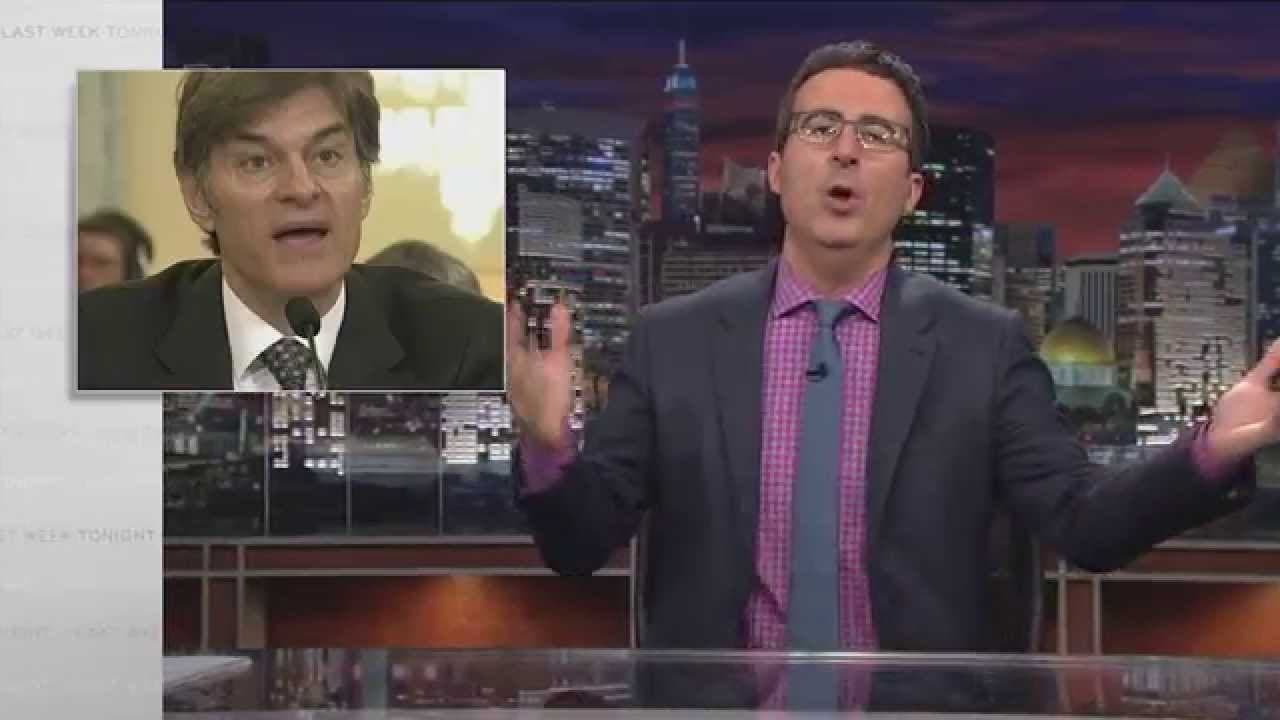
Dietary supplements in the United States can reach stores without prior FDA approval or proof of safety and effectiveness, leaving regulators to react after consumers become sick. Dr. Oz illustrates how authoritative, enthusiastic promotion can drive sales despite limited scientific support, while industry lobbying and campaign contributions help preserve a system largely based on self-policing.
Transcript
I would like to talk about doctors uh they're among our most trusted professionals nearly 70% of us rate them highly on ethical standards our lives and occasionally our Bulls are in their hands which is why it was especially troubling last week to see this with his syndicated TV show magazine and website Dr Roz has become one of America's most trus... Read More
Key Insights
- Dr. Oz's language presented untested weight-loss supplements as magical, miraculous, or simple solutions, even though he told senators that no pill can produce lasting weight loss and a better life without diet and exercise. The conflict arose because viewers heard these claims from a trusted physician.
- The Dr. Oz effect is the sales surge caused by his endorsement or favorable mention of a substance. After he promoted green coffee bean extract, one Florida company sold half a million bottles, demonstrating how a television doctor's words can rapidly shape consumer demand.
- Scientific support for promoted supplements was sometimes inadequate. Dr. Oz said he personally believed in the products and studied them passionately, but also recognized that they often lacked the scientific muster required for presentation as fact, despite his authoritative role as a physician.
- Dietary supplements can be marketed without prior FDA approval. Companies do not have to prove that a product is safe or effective before selling it, and they can make health claims without receiving advance government approval, leaving the industry largely responsible for policing itself.
- The FDA's authority is limited before harm occurs. The transcript says the agency has little power to investigate supplement contents until consumers are already becoming sick, while the FTC regulates marketing but gives substantial deference to the FDA on whether health claims have adequate support.
- Supplement deregulation followed intense political pressure. After 38 deaths involving L-tryptophan supplements prompted the FDA to seek expanded authority, consumers sent Congress more messages about the supplement bill than about the Vietnam War, and the industry financed advertisements encouraging resistance.
- Campaign contributions accompanied legislative support for deregulation. Senators Orrin Hatch and Tom Harkin were identified as the industry's two leading recipients of funds and co-sponsored a deregulation bill, then later opposed proposals for warning labels about potentially dangerous side effects.
- Supplement labels may not accurately identify their contents. Researchers who DNA-tested products from a dozen North American companies found that one-third contained no trace of the plant advertised on the bottle, undermining claims that ingredient labels alone provide sufficient consumer protection.
Install to Summarize YouTube Videos and Get Transcripts
Explore YouTube Video Summarizer or Get YouTube Transcript Extractor
Questions & Answers
Q: Why are dietary supplements lightly regulated?
Dietary supplements are lightly regulated because companies can market them without obtaining prior FDA approval, proving safety or effectiveness, or securing advance approval for health claims. The industry is largely expected to police itself. The transcript traces this framework to political pressure, industry advertising, lobbying, campaign contributions, and legislation co-sponsored by senators who received substantial industry funding.
Q: What was problematic about Dr. Oz's supplement claims?
Dr. Oz used words such as magical and miraculous when discussing weight-loss supplements, giving uncertain claims the authority of a physician with degrees from two Ivy League schools. He acknowledged that promoted items often lacked the scientific muster needed for presentation as fact. He also agreed that lasting weight loss and a better life do not come from a pill without diet and exercise.
Q: What is the Dr. Oz effect on supplement sales?
The Dr. Oz effect is the rapid increase in consumer demand that can follow his mention of a product. His advice was influential enough that, after he promoted green coffee bean extract, one company in Florida sold half a million bottles. The example shows how a trusted and likable television doctor can turn enthusiastic language into major commercial results.
Q: How do the FDA and FTC oversee dietary supplements?
The FTC is supposed to regulate supplement marketing, but the transcript says it gives substantial deference to the FDA when deciding whether a company's health claim has support. The FDA, however, has little authority to investigate what supplements contain until people are already becoming sick. This division leaves regulators able to address only part of a large marketplace.
Q: Do supplement companies need to prove products are safe before sale?
Supplement companies do not need to prove safety or effectiveness before placing products on the market, according to the transcript. They also do not need prior FDA approval and may make health claims without advance government authorization. As a result, official intervention can occur only after misleading promotion, contamination, adverse events, or consumer illness has already become apparent.
Q: How did political pressure shape supplement deregulation?
Political pressure intensified after 38 people died from L-tryptophan supplements in the late 1980s and the FDA attempted to expand its authority. The supplement industry urged consumers to contact Congress, produced advertisements warning that access to vitamins was threatened, donated money to lawmakers, and supported a deregulation bill co-sponsored by Senators Orrin Hatch and Tom Harkin.
Q: What harms were linked to tainted dietary supplements?
Tainted dietary supplements were linked to severe bleeding, strokes, liver damage, and death. OxyElite Pro was associated with several cases of acute liver failure in Hawaii. Ephedra remained available for an additional two years after many experts sought a ban, while the reported toll rose to 155 deaths and 16,000 adverse events.
Q: Can consumers trust dietary supplement labels?
Supplement labels cannot always be assumed to match their contents. Researchers DNA-tested supplements from a dozen North American companies and found that one-third contained no trace of the plant advertised on the bottle. That finding directly challenges the argument that listing ingredients and potency on every label provides enough oversight or reliable protection for consumers.
Summary & Key Takeaways
-
Dr. Oz promoted weight-loss substances with terms such as magical and miraculous, even while acknowledging that no pill can deliver lasting weight loss and a better life without diet and exercise. His credibility, likability, and medical qualifications magnified these promotions, creating a sales surge described as the Dr. Oz effect.
-
The broader problem is a regulatory structure that lets supplement companies market products without prior FDA approval or advance proof of safety and effectiveness. The FTC oversees advertising, but gives substantial deference to the FDA regarding support for health claims, while the FDA has limited authority to examine supplement contents before consumers become ill.
-
Industry influence helped create and preserve this system. After the FDA sought greater authority following 38 deaths linked to L-tryptophan supplements, supplement companies mobilized consumers, funded lawmakers, and supported deregulation. The industry subsequently expanded from $4 billion in 1994 to $32 billion, despite contamination, inaccurate labels, serious injuries, and deaths.
Read in Other Languages (beta)
Share This Summary 📚
Summarize YouTube Videos and Get Video Transcripts with 1-Click
Try YouTube Summary with ChatGPT & Claude or YouTube Transcript Generator
Explore More Summaries from LastWeekTonight 📚
Summarize YouTube Videos and Get Video Transcripts with 1-Click
Try YouTube Summary with ChatGPT & Claude or YouTube Transcript Generator