How Is Wildlife Trade Linked to Coronavirus Outbreaks?
TL;DR
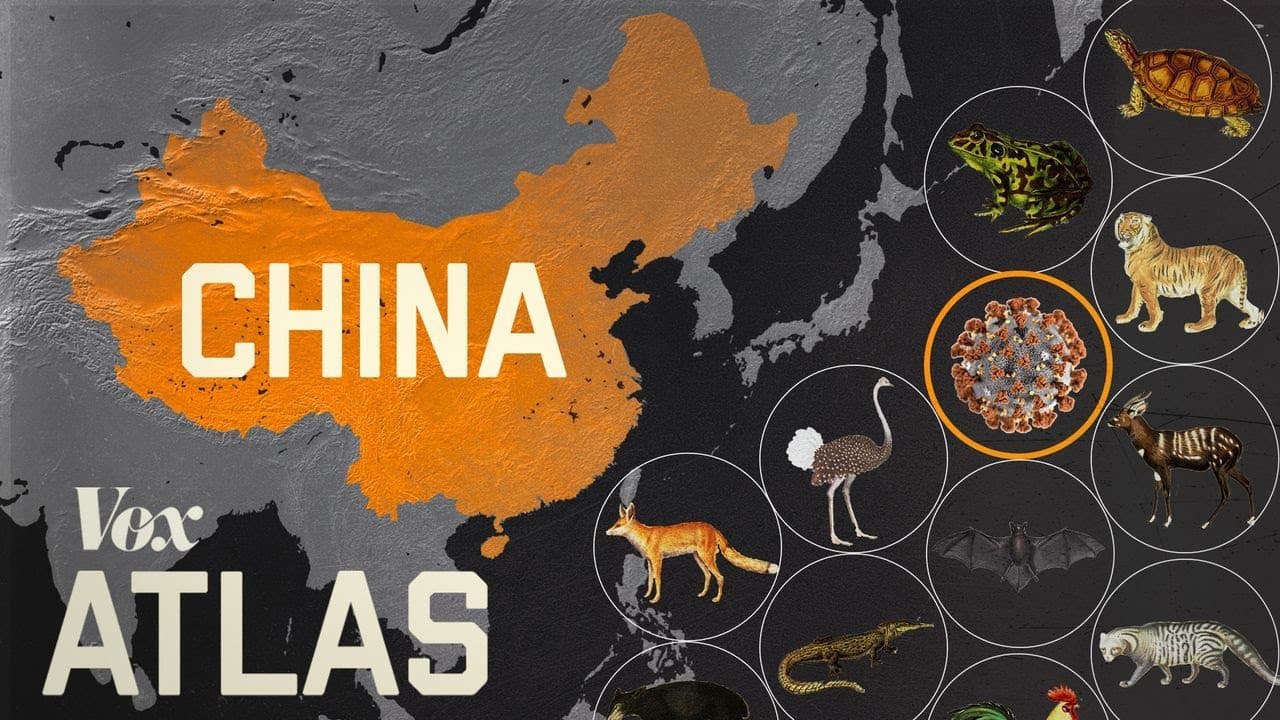
Wildlife trade, particularly in wet markets in China, is closely linked to coronavirus outbreaks, including COVID-19. These markets facilitate the transmission of viruses from animals to humans due to the close proximity of various species. Despite temporary bans on wildlife trade after past outbreaks like SARS, the industry continues to thrive, highlighting the need for permanent solutions to prevent future pandemics.
Transcript
It was New Years Eve, 2019 when health officials in China admitted they had a problem. Health authorities have activated their most serious response level. After an outbreak of a new type of viral pneumonia in central China. A rapidly growing number of people were developing a dry cough and fever, before getting pneumonia. And for some, it turned f... Read More
Key Insights
- COVID-19, a type of coronavirus, was first identified in Wuhan, China, and is believed to have originated from a wet market where wildlife is sold.
- Wet markets, particularly those in China, are known for selling a wide variety of animals, which increases the risk of viruses jumping from animals to humans.
- The wildlife trade in China grew significantly after the government legalized wildlife farming in the 1980s, providing cover for illegal wildlife trade.
- Previous outbreaks, like SARS in 2003, also originated from similar wet markets in China, highlighting a recurring issue with wildlife trade and disease transmission.
- The Chinese government has temporarily shut down wet markets and banned wildlife trade following the coronavirus outbreak, but permanent solutions are needed to prevent future pandemics.
- Wildlife markets are supported by a small, influential minority in China, despite the majority of the population not consuming wildlife animals.
- Experts have long warned that wildlife markets are potential sources of new diseases, and permanent bans are essential to mitigate these risks.
- The global spread of COVID-19 underscores the interconnectedness of health, wildlife trade, and international travel, necessitating a coordinated global response.
Install to Summarize YouTube Videos and Get Transcripts
Explore YouTube Video Summarizer or Get YouTube Transcript Extractor
Questions & Answers
Q: What is the origin of COVID-19?
COVID-19 is believed to have originated in a wet market in Wuhan, China, where a variety of live animals are sold. These markets provide an environment where viruses can jump from animals to humans, and the virus likely transferred from a bat to a pangolin before infecting humans.
Q: How are wildlife markets connected to disease outbreaks?
Wildlife markets, particularly in China, sell a diverse range of animals, increasing the likelihood of viruses jumping between species and eventually to humans. The close contact between different species and humans in these markets creates ideal conditions for the transmission of zoonotic diseases.
Q: What actions has the Chinese government taken in response to the coronavirus outbreak?
Following the outbreak, the Chinese government temporarily shut down thousands of wet markets and banned wildlife trade. There are ongoing discussions to amend the Wildlife Protection Law to prevent future outbreaks, though permanent solutions are still needed to address the root causes of these pandemics.
Q: Why do wildlife markets continue to exist in China?
Wildlife markets persist due to economic interests and the influence of a small, affluent minority who consume wildlife products. The wildlife trade has become a significant industry in China, supported by government policies that have historically encouraged wildlife farming and trade.
Q: What was the impact of the 2003 SARS outbreak?
The 2003 SARS outbreak, which also originated from a wet market in China, spread to 29 countries and resulted in nearly 800 deaths. It highlighted the risks associated with wildlife markets and prompted temporary market closures, but wildlife trade resumed shortly after the outbreak was contained.
Q: What are the risks associated with wildlife trade?
Wildlife trade poses significant health risks by facilitating the transmission of zoonotic diseases, as viruses can easily jump between species in close proximity. This trade also supports illegal activities, such as trafficking endangered species, and contributes to biodiversity loss and ecosystem disruption.
Q: How has the wildlife trade evolved in China since the 1970s?
The wildlife trade in China expanded significantly after the government legalized wildlife farming in the late 1970s, initially as a way to address food shortages. Over time, it grew into a lucrative industry, with both legal and illegal trades flourishing, increasing the risk of disease outbreaks.
Q: What role does wildlife trade play in global health?
Wildlife trade is a critical factor in global health as it can lead to the emergence of new diseases that spread internationally. The interconnectedness of global travel and trade means that diseases originating in wildlife markets can quickly become pandemics, affecting countries worldwide and necessitating coordinated health responses.
Summary & Key Takeaways
-
COVID-19 emerged in Wuhan, China, and is linked to wet markets where wildlife is sold, posing high disease transmission risks. The Chinese government's past decisions to legalize wildlife farming have fueled both legal and illegal wildlife trades, increasing the chances for viruses to jump from animals to humans.
-
The SARS outbreak in 2003 was a precursor to the current COVID-19 pandemic, both originating from wildlife markets in China. Despite temporary bans following outbreaks, China's wildlife trade has continued to grow, driven by economic interests and a small, influential consumer base.
-
Permanent solutions, such as banning wildlife markets and addressing the wildlife trade's underlying issues, are crucial to preventing future pandemics. The COVID-19 pandemic highlights the need for global cooperation in addressing health risks associated with wildlife trade and wet markets.
Read in Other Languages (beta)
Share This Summary 📚
Summarize YouTube Videos and Get Video Transcripts with 1-Click
Try YouTube Summary with ChatGPT & Claude or YouTube Transcript Generator
Explore More Summaries from Vox 📚


Summarize YouTube Videos and Get Video Transcripts with 1-Click
Try YouTube Summary with ChatGPT & Claude or YouTube Transcript Generator