How to value and buy a Stanley Steamer car today
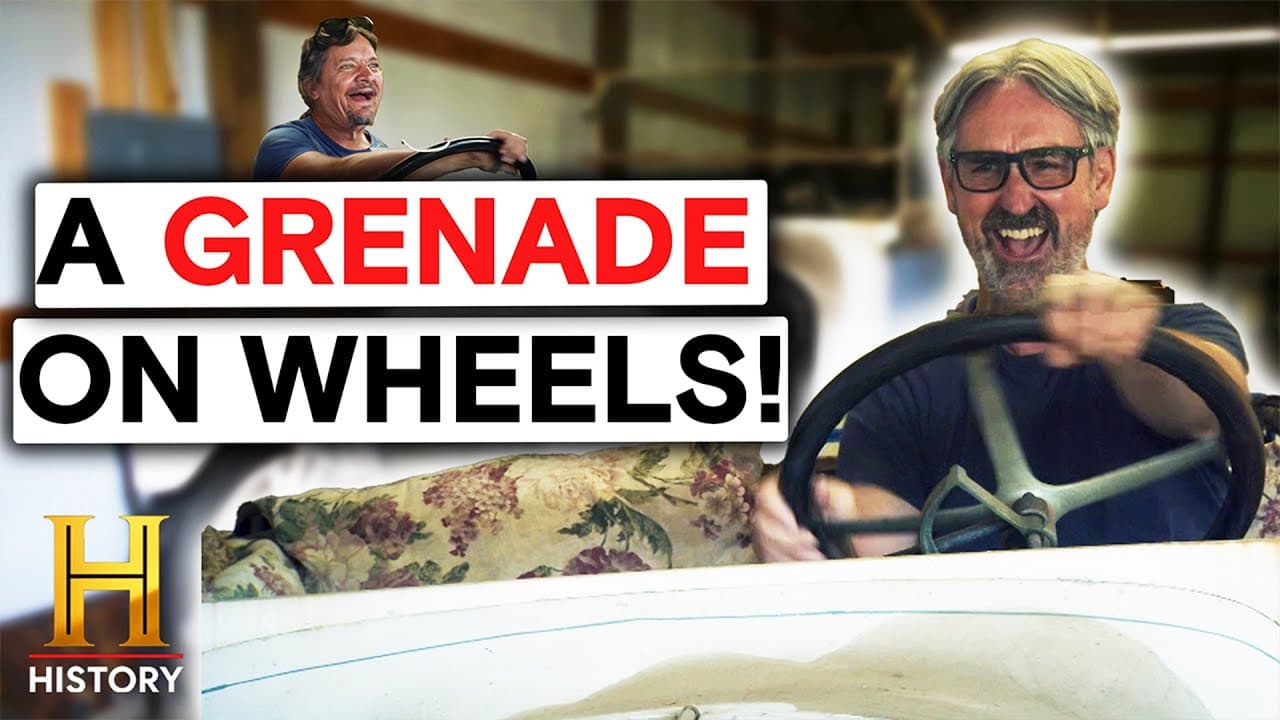
TL;DR
A Stanley Steamer is valued based on condition and modification history, with running or restored examples fetching higher values. The car in the scene is aged but repairable, with experts predicting its value and repair costs. The buyers negotiate a price that makes transport and restoration feasible while honoring the donor’s humane legacy.
Transcript
MIKE: Dani D, what's up? JERSEY JON: What's up, girl? DANIELLE: Hey, how are my boys today? MIKE: We're chilling in the great state of Kentucky, man. What do you got? DANIELLE: Alright, so I'm gonna send you to meet a guy named George. The collection you're about to look at is not actually George's. It comes from Glenn, but Glenn passed away ... Read More
Key Insights
- Steam cars capture historical innovation and offer unique restoration challenges
- The Stanly Steamer shown is a 1917 five passenger touring car
- A charred rear indicates fire damage but overall structure may be salvageable
- Conversion to propane shows attempts to adapt risky steam systems
- Experts emphasize the fire risk and boiler work as major cost drivers
- Negotiation factors include transport costs from Kentucky to Rhode Island
- Humane Society provenance adds emotional value and ethical considerations
- Final price agreed equals buyer's willingness to cover transport and restoration risks
- More videos from this channel:
- More from this channel: HISTORY
Install to Summarize YouTube Videos and Get Transcripts
Explore YouTube Video Summarizer or Get YouTube Transcript Extractor
Questions & Answers
Q: What makes a Stanley Steamer valuable to collectors today
A Stanley Steamer's value is influenced by its historical significance, rarity, and condition. In the video, a running or fully restored Stanley Steamer can be worth around 85,000, but the cost to fix mechanicals and boilers can be substantial. Infrared repairs, boiler work, and precise restoration decisions all affect the final value and bid strength.
Q: How does fire damage affect the value of a Stanley Steamer
Fire damage, especially on wood framed steam cars, is a negative factor that reduces value because it complicates structural integrity and safety. In the scene, char in the rear is noted, yet the frame is described as not burnt through. Assessing whether the damage is superficial or structural is crucial to pricing and restoration decisions.
Q: What is the typical process to estimate price for a classic steam car
Estimating price usually involves preliminary photos, expert consultation, and an assessment of running condition and required repairs. In the video, a mentor provides a rough value before confirming final numbers, and a dealer or restorer assesses boiler and engine work costs, which can dramatically affect affordability and sale conditions.
Q: Can steam cars be safely transported today
Transport feasibility depends on the car’s weight, frame integrity, and the complexity of the steam system. The participants plan to move the Stanley on a lowboy from Kentucky to Rhode Island, indicating careful consideration of logistics, freight arrangements, and the potential safety concerns during transit for heavy antique vehicles.
Q: What roles do provenance and donors play in antique car sales
Provenance and the origin story can add emotional value and trust, particularly when a donor’s intent aligns with the buyer’s passion. In the episode, the car was left to a Humane Society by Glenn, and George emphasizes selling to someone who will care deeply, which can influence negotiations and perceived value.
Q: Why was propane conversion used on the Stanley Steamer in the video
Propane conversion was used as a safety measure to replace pressurized gas tanks with a safer fuel source while maintaining the steam power. The show notes highlight that the propane tank performs the same function as the older system, reducing risk and potentially affecting authenticity and value during resale.
Q: What is the likelihood of restoring a Stanley Steamer for practical use
Restoration likelihood depends on the extent of boiler work, fuel system integrity, and availability of parts. In the discussion, Dick notes that fixing the boiler and engine would require substantial investment, so a practical restoration must weigh labor, parts, and long-term maintenance against the expected outcome and market value.
Q: How do buyers negotiate price when dealing with heavy, historic cars
Negotiation hinges on total costs including transport, restoration, and potential upgrades. The buyer offers 24k with an eye toward moving the car to Rhode Island, while the seller counters based on the car’s condition and historical interest. They ultimately agree at a price that balances passion with economic feasibility.
Summary & Key Takeaways
-
Jon chases a steam powered dream and explores the value and history of a Stanley Steamer left to a humane society
-
Dick estimates running restored value around 85,000 while current condition lowers the price
-
Deal hinges on aligning emotional value with real repair costs and transport logistics
Read in Other Languages (beta)
Share This Summary 📚
Summarize YouTube Videos and Get Video Transcripts with 1-Click
Try YouTube Summary with ChatGPT & Claude or YouTube Transcript Generator
Explore More Summaries from HISTORY 📚






Summarize YouTube Videos and Get Video Transcripts with 1-Click
Try YouTube Summary with ChatGPT & Claude or YouTube Transcript Generator