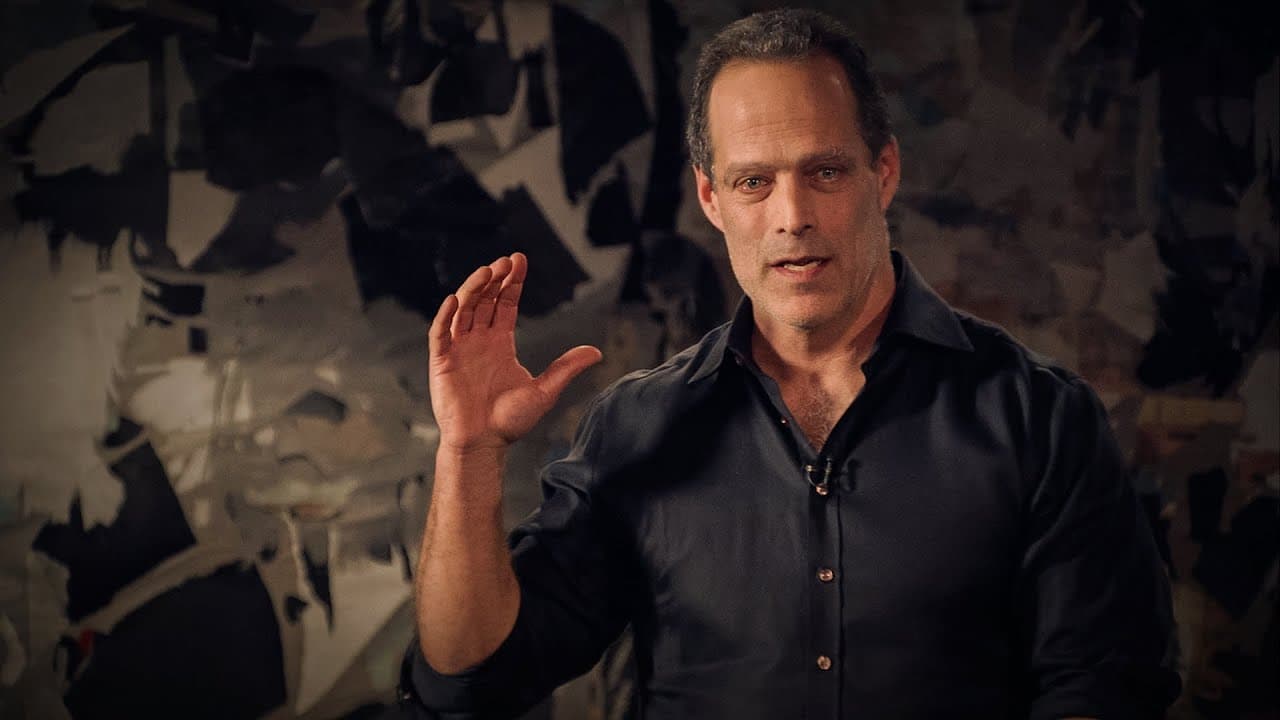
Sebastian Junger: Why veterans miss war
TL;DR
Veterans often miss combat due to the intense brotherhood and sense of purpose found among fellow soldiers. This connection, where they prioritize the group's safety above their own, is often lacking in civilian life, leading to feelings of alienation and longing for that camaraderie.
Transcript
I'm going to ask and try to answer, in some ways, kind of an uncomfortable question. Both civilians, obviously, and soldiers suffer in war; I don't think any civilian has ever missed the war that they were subjected to. I've been covering wars for almost 20 years, and one of the remarkable things for me is how many soldiers find themselves missing ... Read More
Key Insights
- 💔 War has a complex impact on both civilians and soldiers, with many soldiers finding themselves missing the war even after going through traumatic experiences.
- 💣 The appeal and fascination with war is not limited to soldiers, as even peace-loving individuals find Hollywood war movies compelling.
- 🔥 The intensity of combat experienced by American soldiers in places like the Korengal Valley in Afghanistan was unprecedented, with a small group of men absorbing a significant portion of the combat for all of NATO forces.
- 💪 In combat, brotherhood and connection to fellow soldiers becomes a vital source of support and comfort, leading soldiers to prioritize the group's well-being over their own safety. ⏰ Warfare alters perception, slowing down time, inducing tunnel vision, and flooding the brain with adrenaline, creating a unique and intense experience.
- ⚠️ The thrill and excitement of combat can be addicting due to adrenaline and hormonal responses, making some young men seek out dangerous experiences even in civilian life.
- 🛡️ Soldiers face constant danger and close calls, with many experiencing near-misses and surviving situations that could have easily been fatal.
- 👥 After leaving the warzone and returning to society, soldiers can struggle with feelings of alienation and a lack of the strong bonds and trust they experienced during combat, leading to a longing for that connection.
Install to Summarize YouTube Videos and Get Transcripts
Explore YouTube Video Summarizer or Get YouTube Transcript Extractor
Questions & Answers
Q: Why do some soldiers miss war after going through such a traumatic experience?
Some soldiers miss war because they miss the deep bonds of brotherhood and connection they formed with their fellow soldiers during combat. It is not about missing the violence or killing; rather, it is about missing the sense of belonging and the willingness to prioritize the safety and well-being of their comrades over their own.
Q: How does combat affect a person's brain?
Combat triggers an intense fight or flight response in the brain, leading to an increased release of adrenaline. This hormonal reaction creates a heightened state of awareness, tunnel vision, and can alter the perception of time. The experience is often described as a slightly altered state of mind, where some details are noticed with precision while others are overlooked.
Q: Why do some soldiers find war preferable to their civilian lives?
The intense sense of brotherhood and connection experienced in war can make the soldier's civilian life feel alienating and disconnected. The bonds formed with fellow soldiers, where their lives depended on one another, create a deep sense of love and trust. In comparison, the reintegration into society can leave them feeling unsure of who they can rely on and who truly understands their experiences.
Q: How does the absence of brotherhood in civilian life affect soldiers returning from war?
The absence of brotherhood in civilian life can be terrifying for soldiers returning from war. They no longer have the same level of connection and mutual support that they had with their comrades. The uncertainty of not knowing who would be there for them in times of need can lead to feelings of isolation and alienation, which can be more psychologically challenging than the hardships of war itself.
Summary
In this video, the speaker explores the complex relationship between soldiers and war. He delves into the question of why soldiers, who have experienced the horrors of war, sometimes find themselves missing it upon returning home. He discusses the need to understand this phenomenon in order to reintegrate soldiers into society and prevent future wars. The speaker also shares his personal experiences covering wars and highlights the intense combat he witnessed with American soldiers in Afghanistan. He offers insights into the neurology of combat, the adrenaline rush experienced by soldiers, and the psychological impact it can have. Ultimately, he argues that what soldiers often miss about war is the deep sense of brotherhood and connection they experience with their comrades.
Questions & Answers
Q: Why do some soldiers miss war after experiencing its horrors?
Some soldiers find themselves missing war because of the deep sense of brotherhood and connection they develop with their fellow soldiers. Being in combat creates a unique bond where soldiers prioritize the well-being of the group over their own. This sense of brotherhood and purpose can be difficult to replicate in civilian life, leading some soldiers to miss the camaraderie and support they had during war.
Q: How does combat impact the brain neurologically?
Combat triggers the release of a significant amount of adrenaline in the brain, resulting in a heightened state of awareness and focused attention. This state can create a sense of time slowing down and tunnel vision. The brain's response to combat is a survival mechanism designed to enhance the chances of survival and protect oneself and the group. These neurological changes contribute to the intensity of the combat experience.
Q: Why do soldiers go to great lengths to have the combat experience?
Soldiers, particularly young men, are often drawn to the experience of combat due to biological and hormonal factors. Young men have a higher mortality rate from violence and accidents compared to young women. The desire to seek out combat experiences is driven by a hormonal urge and a natural inclination to engage in high-risk activities. The rush and adrenaline associated with combat can be incredibly appealing to those wired for this kind of experience.
Q: How does the speaker's personal experience in Afghanistan illustrate the intensity of combat?
The speaker shares his experiences with American soldiers in the Korengal Valley, Afghanistan, and highlights the intense combat they faced. For a period of time, almost 20% of all combat in Afghanistan was concentrated in just six miles of the valley where he was situated. He describes the constant threat of attacks and the physical dangers faced by the soldiers, including himself. The personal anecdotes emphasize the high stakes and constant state of alertness that soldiers in combat zones endure.
Q: What is the difference between brotherhood and friendship in the context of war?
Brotherhood goes beyond mere friendship. It is an agreement within a group to prioritize the welfare and safety of the entire group above one's own interests. Brotherhood involves a deep sense of love and commitment to the other members of the group, transcending personal feelings or preferences. This bond is forged through shared experiences, hardships, and selflessness. Unlike friendship, brotherhood is rooted in a mutual agreement to sacrifice for the collective well-being.
Q: Why does the speaker believe brotherhood is what soldiers miss about war?
The speaker posits that what soldiers miss most about war is the profound sense of brotherhood they experience with their fellow soldiers. This intense bond, formed in high-stakes situations, creates a deep connection and love for one another. The speaker suggests that soldiers miss the loyalty, trust, and selflessness that come with brotherhood, as finding such a connection in civilian life can be challenging. The absence of this kind of bond can lead to feelings of alienation and a longing for the unity experienced in war.
Q: What do soldiers often struggle with upon returning to civilian life?
Upon returning to civilian life, soldiers often struggle with feelings of isolation and uncertainty. They have difficulty trusting or knowing who they can rely on. Unlike during war, where the bond of brotherhood was paramount, civilian life lacks the same sense of deep connection and mutual sacrifice. The transition from a tightly knit unit to the individualism and fragmented nature of society can be jarring and unsettling for soldiers.
Q: Why is it important to understand why soldiers miss war?
Understanding why soldiers miss war is crucial for several reasons. Firstly, it allows society to better support and reintegrate soldiers into civilian life. By recognizing and addressing the unique challenges they face, we can offer the necessary resources and assistance for a successful transition. Secondly, understanding this phenomenon can contribute to efforts to prevent future wars. By addressing the underlying needs and desires that draw individuals to war, we can work towards creating a more peaceful and interconnected society.
Q: How does the speaker challenge the perception of war as solely negative?
The speaker acknowledges that war is generally seen as a negative and undesirable experience, which is a rational response. However, he highlights the complexity of human perception by pointing out that many peace-loving individuals are still drawn to war movies for entertainment. This paradoxical attraction complicates the understanding of war as purely negative. By recognizing this, the speaker asserts that soldiers, who have been trained in war and experienced its complexities firsthand, can also find elements of war compelling.
Q: What does the speaker believe war reveals about human nature?
The speaker suggests that war reveals certain aspects of human nature, such as the primal desire for intense experiences and the innate need for connection and brotherhood. When faced with combat, the adrenaline rush and intense bond nurtured among soldiers showcase the deep-seated instincts within humans. While war is undeniably destructive, it also sheds light on the complex motivations and desires that drive individuals to seek out such experiences.
Takeaways
In understanding why soldiers may miss war, it becomes clear that the deep sense of brotherhood and connection forged on the battlefield plays a significant role. The speaker emphasizes the need for society to recognize and address this longing for connection among soldiers transitioning back to civilian life. By supporting soldiers in finding new ways to cultivate meaningful relationships and establish a sense of belonging, we can work towards bridging the gap between the combat experience and civilian society, ultimately fostering a more peaceful world.
Summary & Key Takeaways
-
Both civilians and soldiers suffer in war, but many soldiers find themselves missing the war even after experiencing the worst of it.
-
War is complicated and not easily understood, as even peace-loving people can find something compelling about war, and soldiers who have been trained in it also find it appealing.
-
Soldiers in combat experience a unique brotherhood and connection with their comrades, which they often miss when they return to society, leading to feelings of alienation and longing for that sense of camaraderie.
Read in Other Languages (beta)
Share This Summary 📚
Summarize YouTube Videos and Get Video Transcripts with 1-Click
Try YouTube Summary with ChatGPT & Claude or YouTube Transcript Generator
Explore More Summaries from TED 📚



Summarize YouTube Videos and Get Video Transcripts with 1-Click
Try YouTube Summary with ChatGPT & Claude or YouTube Transcript Generator