How to Let Go and Transform Through Meditation
TL;DR
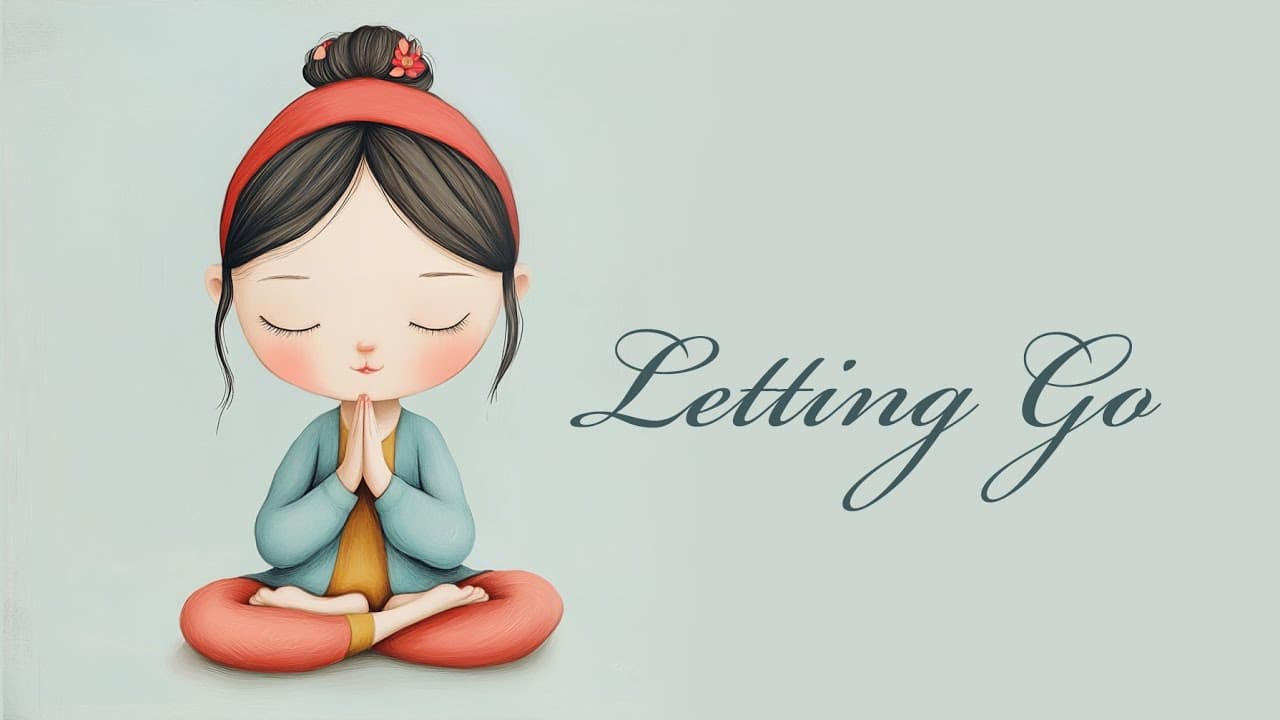
Let go by acknowledging the difficult belief, memory, person, or situation with honesty, compassion, and acceptance instead of trying to suppress it. Notice the emotions it brings up, appreciate the lessons it provided, express readiness to release it, and redirect your attention toward the person and life you are growing into.
Transcript
Begin by getting into a comfortable position whatever that looks like for you you may feel called to lie down or just sit up straight just honor your body for this and get comfortable let your palms rest facing downwards and lovingly close your eyes Focus your awareness on your breathing allowing your stomach and rib cage to expand on every inhale ... Read More
Key Insights
- The meditation begins with physical comfort and breath awareness, allowing the stomach and rib cage to expand during each inhale and contract during each exhale. This steady focus helps the meditator become present in the body before approaching emotionally difficult material.
- A wandering mind is treated as acceptable rather than as a failure. Whenever attention drifts, the meditator is instructed to return to the words being heard and to the sensation and rhythm of breathing, maintaining a patient and nonjudgmental approach.
- The object of release can be a belief, memory, person, or situation. The practice invites it into awareness while reinforcing that it is safe to notice the emotions connected with it, whether those emotions involve stress, anxiety, eagerness, or something else.
- Loving acceptance is presented as the foundation of letting go. Trying to ignore or push an experience away can make it feel louder, while observing it with love, honesty, transparency, and compassion creates an opportunity to transform the relationship with it.
- Emotional or physical expressions of release can include crying, laughing, or yawning. The meditator is encouraged to trust whatever response arises, appreciate the courage required for emotional honesty, and continue breathing while remembering that every feeling is permitted.
- Past difficulties can provide lessons about identity, desires, boundaries, future choices, and personal strength. Recognizing these lessons allows the meditator to appreciate what was learned without denying the pain or complexity associated with the experience being released.
- Gratitude changes the focus from what happened to what was learned and what may become possible next. The practice asks what good could follow release, what life might look like afterward, and what new experiences the person is opening themselves to.
- Future reminders are reframed as teachers that show both what is being left behind and what the meditator is growing into. Continued attention should rest on growth, with shoulder rolls, moving fingers and toes, and opening the eyes concluding the meditation.
Install to Summarize YouTube Videos and Get Transcripts
Explore YouTube Video Summarizer or Get YouTube Transcript Extractor
Questions & Answers
Q: How do you practice letting go with guided meditation?
Begin in a comfortable seated or lying position with your palms facing downward and your eyes gently closed. Follow the expansion of your stomach and rib cage as you inhale and their contraction as you exhale. Bring the belief, memory, person, or situation to mind, observe the resulting feelings without judgment, identify its lessons, express appreciation, and affirm that you are ready to release it.
Q: Why does the meditation encourage accepting difficult emotions?
The meditation presents loving acceptance as the condition that allows genuine release. Ignoring an experience or pushing it away may make it feel louder in the background or foreground. Looking at it with honesty, transparency, compassion, and love gives the person freedom to transform their relationship with it. Letting go is described as something that follows naturally from this transformation.
Q: What should you focus on while breathing during the meditation?
Focus on the physical rhythm of breathing, especially the stomach and rib cage expanding with each inhale and contracting with each exhale. The pace should feel comfortable rather than forced. This bodily awareness supports presence throughout the practice. If thoughts pull attention elsewhere, return gently to the spoken words and to the sensations and rhythm of the breath.
Q: What can you choose to release during the meditation?
The focus of release may be a belief, a memory, a person, or a situation. The meditation does not require one particular type of experience. Whatever comes to mind can be observed along with the emotions it produces. Stress, anxiety, eagerness to move forward, and feelings between those states are all treated as valid responses that can be met compassionately.
Q: What does emotional release feel like during meditation?
Emotional release may appear as crying, laughing, or yawning, according to the meditation. It may also involve feelings such as stress, anxiety, or eagerness to let go. No single response is required. The instruction is to trust what arises, recognize that it is safe to feel it, avoid judging yourself, and continue breathing with kindness and compassion.
Q: How does gratitude support the process of letting go?
Gratitude redirects attention toward the lessons gained from the experience, person, or belief being released. The meditator considers what the experience revealed about personal identity, desires, boundaries, future choices, or strength. Genuine appreciation then supports a new perspective focused on possible benefits, new opportunities, and the growth that can follow after letting go.
Q: What affirmations are used to release the past?
The meditation uses statements of appreciation, learning, growth, gratitude, and readiness. The person acknowledges what they are releasing, recognizes that it provided some form of service or lesson, and states clearly that they are ready to let it go. These thoughts are repeated while breathing and relaxing, with appreciation replacing resistance as the central emotional focus.
Q: What should you do when the released issue returns to mind?
When the old belief, memory, person, or situation returns to mind or appears again in life, treat it as a teacher. Let it remind you of what you are leaving behind and what you are growing into. Then redirect attention toward that growth rather than remaining focused on the past, and continue using appreciation and perspective to reinforce the release.
Summary & Key Takeaways
-
The meditation begins with choosing a comfortable seated or lying position, closing the eyes, and following the breath. Attention rests on the expansion and contraction of the stomach and rib cage. When the mind wanders, the practice is to return gently to the spoken guidance and the rhythm of breathing.
-
The central practice is to bring the unwanted belief, memory, person, or situation to mind and observe every resulting emotion without judgment. Rather than ignoring or resisting the experience, the meditation encourages loving acceptance, honesty, and compassion. Crying, laughing, or yawning may accompany the feeling of release during this process.
-
The final stage identifies lessons from the experience, develops genuine gratitude, and considers what becomes possible after release. The meditator expresses appreciation, acknowledges growth, and affirms readiness to let go. Future reminders are reframed as teachers, while attention is repeatedly directed toward personal growth and new possibilities.
-
Key Insights
Read in Other Languages (beta)
Share This Summary 📚
Summarize YouTube Videos and Get Video Transcripts with 1-Click
Try YouTube Summary with ChatGPT & Claude or YouTube Transcript Generator
Explore More Summaries from Great Meditation 📚


Summarize YouTube Videos and Get Video Transcripts with 1-Click
Try YouTube Summary with ChatGPT & Claude or YouTube Transcript Generator