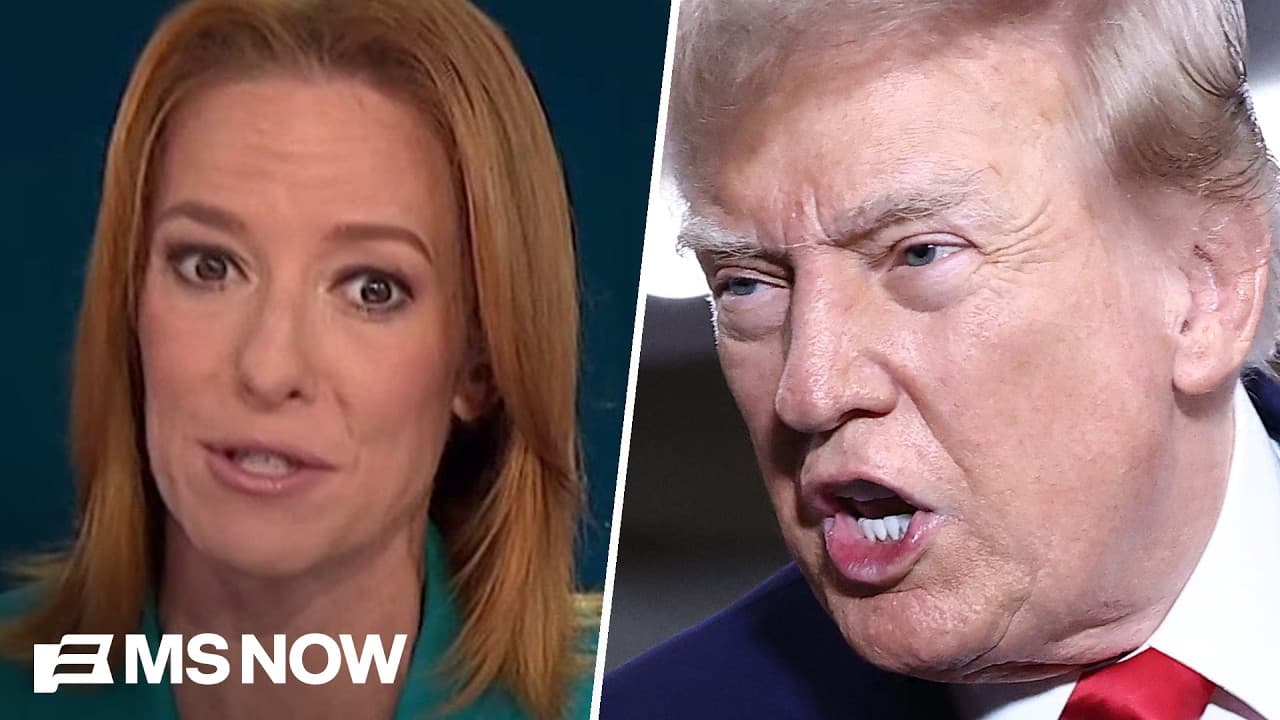
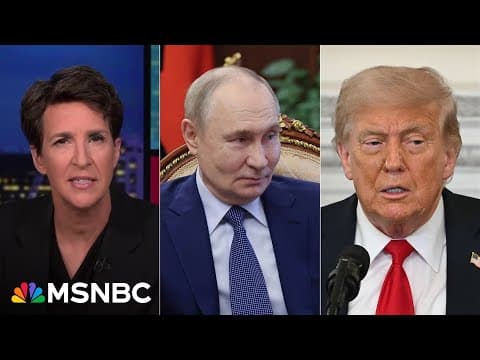
How to understand Trump's reaction to poll numbers and media ban
TL;DR
Trump appears to lash out as polls show a decline in approval. The discussion argues the national security justification is weak, and that the press ban is a political tactic reflecting insecurities. The panel suggests stronger press unity and warns of ongoing attempts to influence media coverage and public perception.
Transcript
Now today, the Trump administration presenteted their case before the very same judge who restored Jim Acosta's press badge back in 2018. He asked them why the journalists in this case had not been given that kind of due process before their passes were revoked. The Trump administration's answer? Well, here's a direct quote. The president sho... Read More
Key Insights
- Trump’s frustration is linked to polls showing low approval and disapproval of his performance.
- The press ban is portrayed as a political move to limit coverage and influence public perception.
- The national security argument is criticized as a weak justification for restricting media access.
- News organizations are depicted as needing to unite to defend press freedoms.
- The panel connects the current actions to past incidents of media suppression.
- There is emphasis on the role of the judiciary in upholding First Amendment rights.
- Conservative media coverage is described as diminishing, affecting Trump’s public narrative.
- The discussion implies that accountability and transparency are essential during political clashes.
Install to Summarize YouTube Videos and Get Transcripts
Explore YouTube Video Summarizer or Get YouTube Transcript Extractor
Questions & Answers
Q: How does the video describe the connection between polling and Trump’s actions against the press?
The video presents a direct link between falling poll numbers and Trump escalating measures against media access. It argues that as approval drops, there is a perceived need to control or punish outlets by banning passes, which is framed as a reaction to losing political ground rather than a justified security measure. The hosts discuss the timing of these actions in relation to public opinion.
Q: What is said about the national security claim used to justify media restrictions?
The speakers argue that the national security claim is a weak and laughable justification for restricting journalists. They point out that letters cited as evidence do not demonstrate a legitimate nexus to national security, and that the case is primarily about Trump’s grip on power rather than any real security concerns or classified information.
Q: Who is Jim Acosta in the discussion, and what relevance does he have to the topic?
Jim Acosta is described as the former CNN chief White House correspondent who challenged being banned from the White House in the past. His involvement is used to illustrate how journalists can resist censorship and to highlight the ongoing struggle over press access to political power, reinforcing the theme of defending press freedoms.
Q: What historical context is provided about media restrictions and accountability?
The transcript references past events such as the 2018 ban on Acosta and a famous incident with the AP being kept from the Oval Office. It uses these examples to argue that media suppression has happened before and that unity among news organizations is essential to counter such actions and safeguard democratic norms.
Q: What stance does the panel take on the role of the judiciary in this case?
The panel expresses a hope that the judge will provide a strong defense of the First Amendment, indicating that the judiciary should protect press rights even if other legal grounds are used. They suggest that a robust judicial stance is crucial to preventing further erosion of press access.
Q: How is the concept of press unity described in the discussion?
The discussion describes press unity as a critical response to attempts at censorship, noting that networks have to band together to stand behind journalists' rights. This unity is presented as a deterrent to executive overreach and a way to maintain access to information for the public.
Q: What does the transcript suggest about media coverage of presidential actions like the red carpet event?
The transcript notes that some networks chose not to show or discuss certain presidential actions, implying selective coverage can influence public perception. It argues that coordinated or mirrored coverage across outlets is important to ensure a comprehensive and fair portrayal of events.
Q: What overarching message do the hosts convey about democracy and accountability?
The hosts frame democracy as dependent on an informed public and a free press. They argue that ongoing efforts to restrict access and control narratives threaten constitutional rights, and that journalists, citizens, and institutions must hold power to account to preserve democratic governance.
Summary & Key Takeaways
-
Trump is described as reacting to falling approval ratings and media pressure. The discussion frames the press ban as an attempt to control coverage and public narrative. The speakers call for a united press response to defend First Amendment principles.
-
The transcript highlights that the national security justification is contested and that the case centers on politics and power rather than classified information. It also notes that political dynamics, not just legal arguments, shape judicial outcomes.
-
The analysis emphasizes historical context, noting past press bans and the importance of media coalitions to counter executive overreach in a democracy.
Read in Other Languages (beta)
Share This Summary 📚
Summarize YouTube Videos and Get Video Transcripts with 1-Click
Try YouTube Summary with ChatGPT & Claude or YouTube Transcript Generator
Explore More Summaries from MS NOW 📚
Summarize YouTube Videos and Get Video Transcripts with 1-Click
Try YouTube Summary with ChatGPT & Claude or YouTube Transcript Generator