How to Invest as Markets and AI Spending Rise
TL;DR
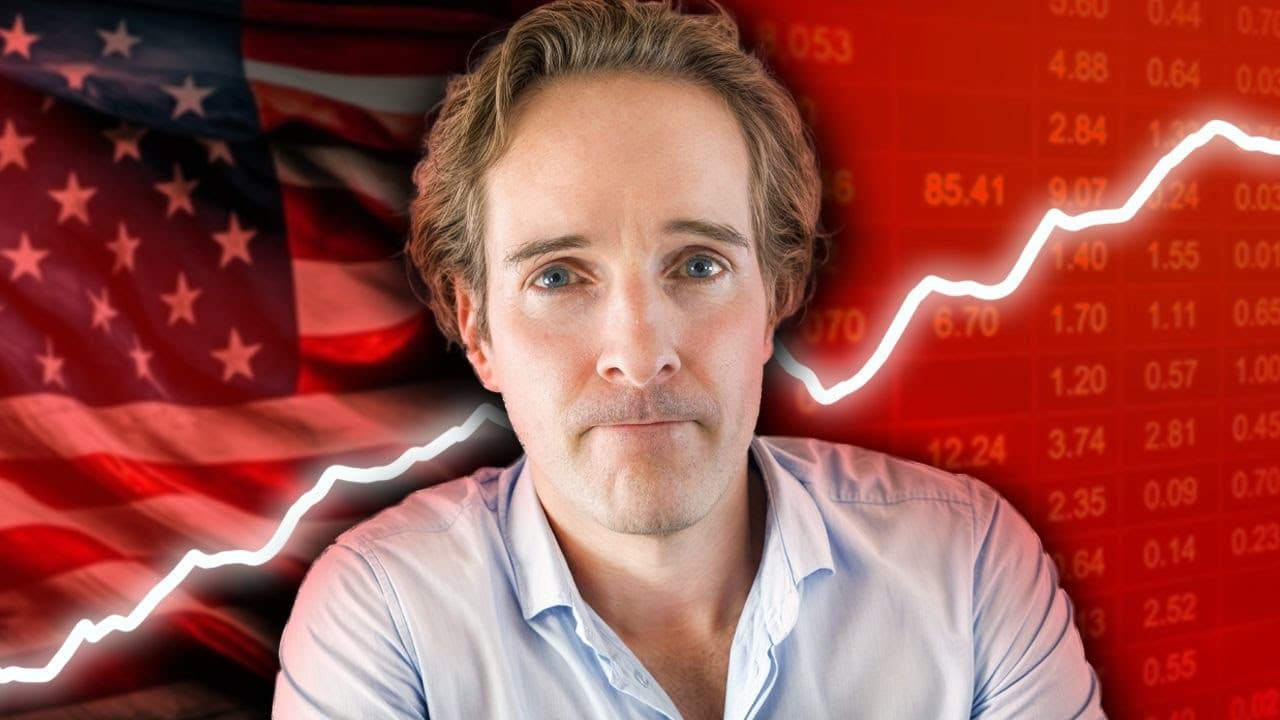
Investors should add strong stocks cautiously, raise stop levels as positions advance, and watch the S&P 500’s 150-day moving average and the VIX for signs of weakening conditions. Improving earnings expectations, a possible tariff agreement, and rising generative AI spending support a bullish outlook, but markets will not climb in a straight line and losses remain possible.
Transcript
Felix here and Goldman Sachs, the most important investment bank out there on Wall Street. Well, at least according to Goldman Sachs, has just warned that well things are going to go a lot higher. That's a nice warning, isn't it? And what they're basing that on, it's they call it the the next Trump trade, the Trump 2.0 or 3.0, wherever we are right... Read More
Key Insights
- The market’s bullish scenario depends partly on tariff negotiations producing a genuine agreement rather than merely extending the existing pause. Goldman Sachs’ historical comparison with the earlier Trump period suggests approximately 10% further upside if the United States and China reach such an agreement.
- Earnings expectations have turned optimistic after six months of negative readings. Because expectations about corporate profitability influence market prices, improving earnings revisions provide a positive signal, although the presenter emphasizes that markets do not advance in a straight line.
- Generative AI spending in the United States is expected to increase next year and rise again the following year. The presenter argues that this continuing investment should support chip demand rather than validating the view that companies already possess all the computing capacity they need.
- Nvidia could benefit from expanding generative AI infrastructure and a rumored large Middle East transaction awaiting United States government clearance. Multiyear chip agreements may also produce maintenance, replacement, and recurring software revenue, while newer chips can encourage customers to replace older hardware.
- The S&P 500 ETF has moved above both its 50-day and 150-day moving averages. The presenter considers remaining above the 150-day line especially important and says a modest one-percent decline would not, by itself, invalidate the favorable market setup.
- RSI is a limited warning indicator because an asset can remain overbought or oversold for long periods when strong underlying reasons exist. Although high RSI readings sometimes coincide with short-term peaks, the indicator did not predict every major decline discussed in the transcript.
- The Nasdaq setup appears constructive because it included a gap higher, several positive candles, and improving trading volume. Despite an overbought RSI reading, the presenter argues that earlier rallies reached even higher RSI levels, so the signal alone does not establish a market top.
- The VIX is an early warning indicator when it rises sharply above 20. The preferred environment is a gentle decline followed by readings around 10 to 17, although the presenter suggests volatility under Trump may remain somewhat higher, making 15 potentially comparable with an earlier level of 10.
Install to Summarize YouTube Videos and Get Transcripts
Explore YouTube Video Summarizer or Get YouTube Transcript Extractor
Questions & Answers
Q: How should investors respond to the current market rally?
Investors should continue buying good stocks gradually and cautiously rather than assuming prices will rise continuously. As positions advance, stop levels can be moved higher to protect gains. The central trend check is whether the S&P 500 ETF remains above its 150-day moving average, while the VIX can provide an early warning if volatility rises significantly above 20.
Q: Why could the market rise roughly another 10%?
Goldman Sachs compares the current market recovery with the earlier Trump period. In both cases, tariff conflict was followed by negotiations that improved sentiment and supported a rally. The comparison suggests roughly 10% additional upside, but the scenario depends on the United States and China reaching a genuine tariff agreement rather than relying only on the existing tariff pause.
Q: How do earnings revisions affect the market outlook?
Earnings revisions represent changing expectations about company profits, and those expectations help drive market prices over the long run. The transcript reports that sentiment turned optimistic after six months of negative readings. That change supports a bullish outlook because investors now expect profitability to improve, although it does not mean the market will rise without temporary declines.
Q: Why is generative AI spending important for semiconductor stocks?
United States spending on generative AI is expected to increase next year and rise again in the following year. That expansion requires continued computing infrastructure, supporting demand for semiconductor products. The presenter therefore rejects the idea that companies already have all the chips they need and identifies the chip sector, particularly Nvidia, as a potential beneficiary of sustained spending.
Q: Why could Nvidia receive recurring benefits from AI infrastructure deals?
Large AI infrastructure agreements can create more than a single chip sale. According to the presenter, supplying chips may lead to maintenance, replacements, and recurring software revenue. Customers may also replace existing hardware when a substantially improved chip arrives two years later. A rumored large Middle East transaction, still awaiting United States government clearance, is presented as another possible opportunity.
Q: What S&P 500 indicator should investors watch most closely?
The presenter prioritizes the S&P 500 ETF’s 150-day moving average. The index had already moved above its 50-day average and crossed the 150-day line four days before the recording. Remaining above the 150-day average is treated as evidence that conditions are still favorable, while a move below it could signal that the rally is losing strength.
Q: Is an overbought RSI reading a reliable signal to sell?
An overbought RSI reading is not presented as a dependable standalone reason to sell. Assets can remain overbought for long periods when strong conditions support demand, just as they can stay oversold for extended periods. RSI readings have sometimes aligned with short-term market peaks, but the transcript also describes a later decline that RSI failed to predict.
Q: How should investors use the VIX as a warning signal?
Investors should watch whether the VIX continues falling gently and settles around the 10 to 17 area. The reading was about 17 when discussed, which the presenter considered acceptable. A significant move above 20 would be an early warning of worsening conditions and could justify greater caution, profit-taking, or tighter stop placement as volatility increases.
Summary & Key Takeaways
-
The bullish case rests on three developments: the market’s recovery following the tariff pause, positive earnings revisions after six months of negative readings, and expected growth in United States generative AI spending. Goldman Sachs’ comparison with the earlier Trump period suggests roughly 10% additional upside if a genuine tariff agreement is reached.
-
The S&P 500 ETF moved above its 50-day and 150-day moving averages, while the Nasdaq produced a gap higher, several positive candles, and improving volume. The presenter views the 150-day moving average as an important trend threshold and considers RSI less dependable because overbought conditions can persist for extended periods.
-
The proposed approach is to buy good stocks gradually, remain cautious, and raise stops as prices advance. Investors should watch for the S&P 500 falling below its 150-day moving average or the VIX rising significantly above 20. Semiconductor companies, especially Nvidia, could benefit from sustained generative AI infrastructure spending.
Read in Other Languages (beta)
Share This Summary 📚
Summarize YouTube Videos and Get Video Transcripts with 1-Click
Try YouTube Summary with ChatGPT & Claude or YouTube Transcript Generator
Explore More Summaries from Felix & Friends (Goat Academy) 📚

![⚠️[WATCH NOW] IF You Own Tesla, Palantir, Nvidia, Amd, SoFi, HIMS thumbnail](/_next/image?url=https%3A%2F%2Fi.ytimg.com%2Fvi%2F9TY1aEkEGC8%2Fhqdefault.jpg&w=750&q=75)

Summarize YouTube Videos and Get Video Transcripts with 1-Click
Try YouTube Summary with ChatGPT & Claude or YouTube Transcript Generator